

Computer Video Card Guide | IT Hardware & Computer Hardware
- Alex Martin
- Technology
- 2026-03-10 22:08:06
- 2524K
In today’s digital world, visual computing has become an essential part of both personal and enterprise technology environments. From gaming and multimedia editing to data analysis and artificial intelligence workloads, graphics processing plays a critical role in system performance. At the center of this capability is the Computer Video Card, a key component within modern computer hardware and advanced IT hardware infrastructures.
A Computer Video Card, often referred to as a graphics card or GPU card, is responsible for rendering images, videos, and animations that appear on a computer display. While early computers relied on basic integrated graphics, modern systems require dedicated graphics processing to support high-resolution displays, demanding applications, and data-intensive tasks. Whether it is used in a professional workstation, gaming PC, or enterprise data center, the Computer Video Card has become one of the most influential technologies shaping modern computing.
Understanding the Role of a Computer Video Card
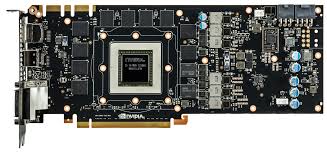
A Computer Video Card is a specialized expansion card designed to process and render graphical data efficiently. Unlike the central processing unit (CPU), which handles general computing tasks, the GPU inside a video card is optimized to perform thousands of simultaneous calculations related to visual rendering.
This architecture allows the Computer Video Card to handle complex graphical workloads such as 3D modeling, video rendering, and high-definition gaming. Within the broader landscape of computer hardware, the video card functions as a dedicated processor for graphics, freeing the CPU to manage other tasks and improving overall system performance.
In modern IT hardware systems, video cards also support technologies such as multi-monitor setups, high dynamic range (HDR) displays, and advanced rendering engines. These capabilities make them essential not only for entertainment but also for professional industries like architecture, engineering, film production, and machine learning.
Components Inside a Computer Video Card
To understand how a Computer Video Card delivers powerful graphical performance, it is helpful to look at its key components. Each part contributes to the card’s ability to process visual information quickly and efficiently.
The GPU is the core processor responsible for rendering graphics. It executes thousands of small parallel operations simultaneously, making it ideal for tasks like shading, texture mapping, and video encoding.
Video memory, often referred to as VRAM, stores graphical data that the GPU needs immediate access to during rendering. Higher VRAM capacity allows the Computer Video Card to handle larger textures, higher resolutions, and more complex scenes.
Cooling systems are another important component of modern computer hardware graphics cards. Because GPUs generate significant heat during intensive workloads, manufacturers include heat sinks, fans, or advanced cooling solutions to maintain optimal performance and system stability.
Finally, interface connectors such as HDMI, DisplayPort, and PCI Express allow the Computer Video Card to communicate with the motherboard and connect to external displays.
Why Computer Video Cards Matter in IT Hardware
The increasing demand for high-performance computing has elevated the importance of the Computer Video Card within modern IT hardware environments. Organizations across industries rely on powerful GPUs to accelerate complex workloads and improve productivity.
For example, graphic designers and video editors use advanced Computer Video Cards to render high-resolution content quickly. Without GPU acceleration, these tasks would require significantly more time and system resources.
Similarly, in enterprise environments, data scientists and AI engineers depend on GPU-based systems to process large datasets and train machine learning models. Modern GPUs can perform massive parallel computations, making them ideal for artificial intelligence and deep learning applications.
Even virtualization and cloud computing platforms increasingly rely on GPU acceleration. Data centers deploy specialized video cards that allow multiple users to access powerful graphical environments remotely, enabling applications such as virtual workstations and cloud gaming.
Computer Video Cards in Gaming and Multimedia
Gaming is one of the most widely recognized applications of a Computer Video Card. Modern games rely heavily on advanced graphical rendering techniques to create immersive environments, realistic lighting, and detailed textures.
High-performance graphics cards enable smooth frame rates, enhanced visual quality, and support for cutting-edge technologies such as ray tracing. These features allow gamers to experience visually rich worlds with lifelike reflections, shadows, and dynamic lighting effects.
Beyond gaming, multimedia professionals also depend on advanced computer hardware graphics solutions. Video editors, 3D animators, and content creators use powerful Computer Video Cards to render complex scenes and process high-resolution media files efficiently.
As digital content continues to evolve toward higher resolutions such as 4K and even 8K video, the role of the GPU becomes even more critical in modern computing systems.
Enterprise Workstations and Professional Graphics
While consumer graphics cards focus on gaming performance, enterprise workstations require specialized Computer Video Cards designed for stability, precision, and reliability. These professional GPUs support certified drivers and optimized performance for industry-specific applications.
Architects and engineers rely on professional graphics solutions for CAD and 3D modeling software. In these environments, accurate rendering and stable performance are more important than raw gaming speed.
Medical imaging, scientific research, and financial modeling are other fields where GPU acceleration plays a vital role. These industries depend on high-performance IT hardware infrastructure to process large datasets and visualize complex information in real time.
Because of these demands, professional Computer Video Cards often include larger VRAM capacities, optimized drivers, and enhanced support for multi-display configurations.
Data Centers and GPU Computing
Another rapidly growing application for Computer Video Cards is within modern data centers. Traditionally, servers relied primarily on CPUs for processing tasks. However, the rise of artificial intelligence, big data analytics, and high-performance computing has led to increased adoption of GPU-accelerated servers.
Data center GPUs are designed to deliver exceptional parallel processing capabilities. These specialized Computer Video Cards help organizations accelerate tasks such as scientific simulations, machine learning training, and real-time analytics.
Cloud service providers also deploy GPU-based infrastructure to support graphics-intensive applications delivered through virtual machines. This approach allows businesses to access powerful computing resources without investing in expensive local hardware.
Within the larger ecosystem of computer hardware, GPU-accelerated servers represent one of the most significant technological shifts in modern enterprise computing.
Choosing the Right Computer Video Card
Selecting the right Computer Video Card depends largely on the intended use case. Gamers typically prioritize high frame rates and graphical quality, while professionals may focus on software compatibility and stability.
For everyday computing tasks, integrated graphics built into the CPU may be sufficient. However, more demanding applications require dedicated graphics cards to deliver optimal performance.
When evaluating options within the IT hardware market, buyers should consider factors such as GPU architecture, VRAM capacity, power requirements, and cooling solutions. Compatibility with the system’s motherboard and power supply is also essential.
Businesses investing in workstation or server-grade graphics solutions should also consider driver support, reliability, and vendor certifications for specific enterprise software applications.
The Future of Computer Video Card Technology
The evolution of the Computer Video Card continues to push the boundaries of what modern computing systems can achieve. As technologies such as artificial intelligence, virtual reality, and real-time ray tracing become more widespread, GPUs will play an increasingly important role in computing innovation.
Manufacturers are constantly improving GPU architectures to deliver greater efficiency, higher performance, and advanced features. Modern graphics cards now support AI-based rendering techniques, hardware-accelerated ray tracing, and improved video encoding capabilities.
In the broader landscape of computer hardware and IT hardware, GPUs are also becoming central to emerging technologies such as autonomous systems, scientific research, and immersive digital experiences.
These advancements ensure that the Computer Video Card will remain one of the most critical components in future computing systems.
Conclusion
The Computer Video Card has evolved from a simple display adapter into a powerful computing engine that drives modern visual and data processing workloads. Whether used for gaming, professional design, or enterprise data center operations, GPUs have become an essential part of modern IT hardware infrastructure.
As the demand for high-performance computing continues to grow, the importance of advanced computer hardware components such as the Computer Video Card will only increase. Organizations and individuals alike rely on these technologies to deliver faster performance, better visuals, and enhanced productivity across a wide range of digital applications.
2524 people like this

About Premium Author
This post has been authored and published by one of our premium contributors, who are experts in their fields. They bring high-quality, well-researched content that adds significant value to our platform.
Leave a Reply
Please login to post a comment.




0 Comments