

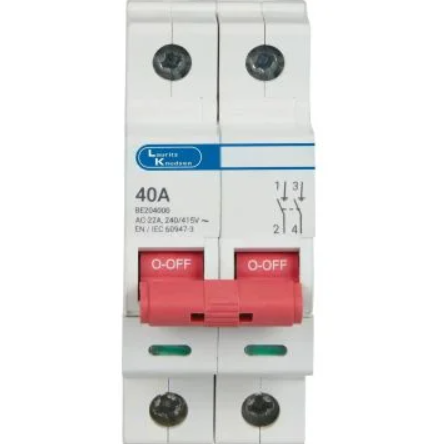
Cost of MCCB and MCB: Complete Buying Guide for Homes and Industries
- Bhavna Sharma
- Business
- 2026-01-30 12:07:20
- 2406K
Electrical safety is a crucial aspect of both residential and industrial setups. One of the most important components for protecting your electrical system from overloads, short circuits, and electrical faults is circuit breakers. Among these, MCCB (Molded Case Circuit Breaker) and MCB (Miniature Circuit Breaker) are widely used for their reliability and efficiency.
Before investing in a circuit breaker, understanding the cost of MCCB and MCB cost is essential to plan your budget while ensuring optimal safety and performance. This guide will provide a detailed overview of these devices, factors affecting their prices, and tips for selecting the right circuit breaker for homes and industries.
What is an MCCB?
An MCCB is a device designed to protect electrical circuits from overcurrent, short circuits, and electrical faults. Unlike MCBs, MCCBs can handle higher currents, making them suitable for industrial machinery, commercial buildings, and large residential setups.
Key features of MCCBs include:
- Adjustable trip settings for precise protection
- High breaking capacity for heavy-duty circuits
- Thermal and magnetic protection for overload and short circuits
- Optional accessories such as auxiliary contacts and shunt trips
Due to these advanced features, the cost of MCCB is generally higher than that of an MCB, but it ensures greater safety and durability in high-power applications.
What is an MCB?
An MCB is a compact circuit breaker commonly used in residential and small commercial setups. It automatically switches off the electrical circuit when it detects an overload or short circuit. MCBs are preferred for low-current applications due to their simplicity, affordability, and ease of installation.
Key features of MCBs include:
- Fixed current ratings, typically ranging from 6A to 100A
- Quick response to overloads and short circuits
- Compact and easy to install in distribution boards
The MCB cost is lower compared to MCCBs, making them an ideal choice for home wiring and small-scale installations. However, they are not suitable for high-current industrial equipment.
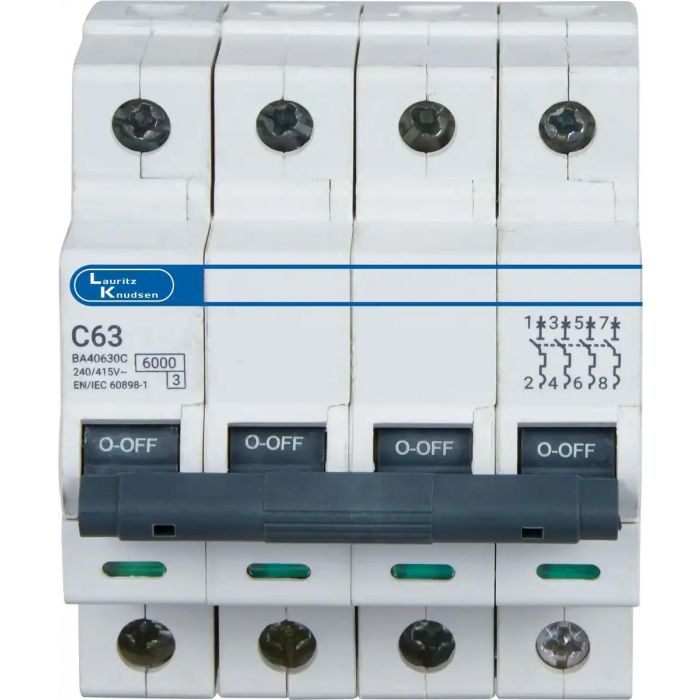
Factors Affecting the Cost of MCCB
Several factors determine the cost of MCCB for both homes and industries:
1. Current Rating
MCCBs come in a wide range of current ratings, from 100A to 2500A. Higher current ratings are designed to handle heavier loads, which increases the cost.
2. Breaking Capacity
The breaking capacity indicates the maximum current an MCCB can safely interrupt. Industrial-grade MCCBs with high breaking capacity are more expensive than lower-rated models used in homes.
3. Type and Features
Advanced MCCBs with adjustable trip settings, electronic protection, and additional accessories tend to cost more. Basic models suitable for smaller circuits are generally more affordable.
4. Brand and Quality
Reputed brands provide higher quality, durability, and safety certifications, which influence the cost of MCCB. While cheaper alternatives may save money initially, they can compromise reliability and safety.
5. Application
The intended use—residential, commercial, or industrial—also affects the price. Industrial MCCBs designed for heavy machinery are priced higher due to advanced protection features.
Factors Affecting MCB Cost
The MCB cost is influenced by several key elements:
1. Current Rating
MCBs are available in ratings ranging from 6A to 100A. Higher-rated MCBs that handle heavier loads generally have a higher price.
2. Poles
MCBs can be single-pole, double-pole, or triple-pole. Multi-pole MCBs designed for industrial equipment cost more than single-pole models used in homes.
3. Type of MCB
MCBs are available in types B, C, and D, which determine their tripping characteristics. Type D MCBs designed for high inrush currents, such as motors, have a higher MCB cost.
4. Brand and Certification
Reputable brands with safety certifications may charge slightly higher prices, but they ensure compliance with standards and long-term reliability.
5. Application
The application—whether it is a small residential circuit or a larger commercial setup—affects the selection and cost of MCBs.
MCCB vs MCB: Understanding the Price Difference
While both MCCBs and MCBs serve the purpose of electrical protection, their applications differ, which explains the difference in cost of MCCB and MCB cost:
| Feature | MCCB | MCB |
|---|---|---|
| Current Capacity | 100A to 2500A | 6A to 100A |
| Breaking Capacity | High, suitable for industrial loads | Low to medium |
| Adjustability | Adjustable trip settings | Fixed |
| Applications | Industrial, commercial, large homes | Residential, small offices |
| Cost | Higher | Lower |
The higher price of MCCBs reflects their enhanced features and capability to handle industrial loads safely. MCBs, while cheaper, are sufficient for home and small commercial applications.
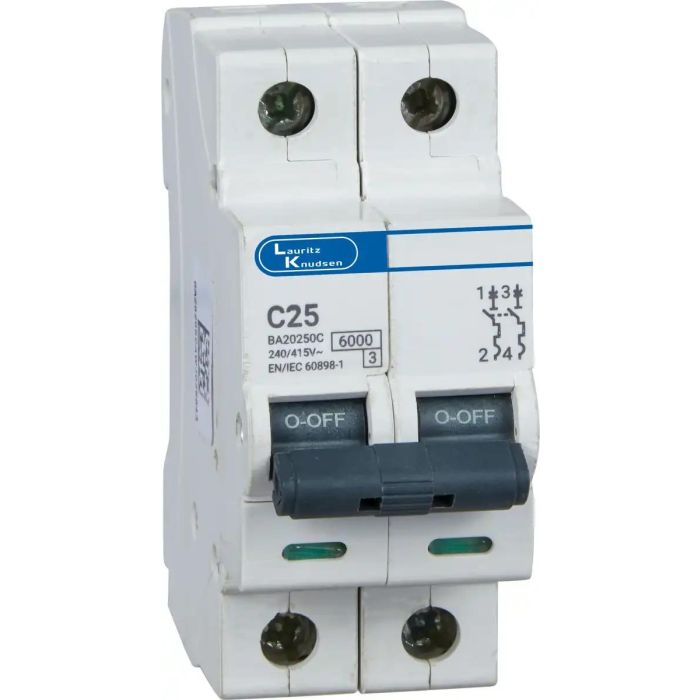
Tips to Choose the Right MCCB or MCB
Choosing the correct circuit breaker depends on safety, compatibility, and budget. Here are some essential tips:
1. Assess Load Requirements
Determine the total load on the circuit. For small household circuits, an MCB is sufficient. For industrial machinery or commercial buildings, MCCBs are more appropriate.
2. Check Safety Features
Ensure the device has built-in safety features such as overload protection, short-circuit protection, and thermal and magnetic protection.
3. Compare Brands
Select products from reputable brands to ensure durability, safety certifications, and reliable performance.
4. Consider Long-Term Cost
While MCB cost may be lower, investing in a quality MCCB for high-load applications prevents costly damage and downtime.
5. Verify Warranty and Support
Look for circuit breakers with a warranty and reliable customer support. This ensures peace of mind and assistance in case of any issues.
Where to Buy MCCB and MCB
With the rise of online marketplaces, it is now convenient to purchase MCCBs and MCBs online. When buying online, consider the following:
- Check product specifications and current ratings.
- Verify the brand and safety certifications.
- Compare the cost of MCCB and MCB cost across multiple sellers.
- Look for customer reviews and ratings.
- Ensure proper packaging and shipping to avoid damage.
Buying from trusted suppliers ensures that you get genuine, certified products that perform reliably over time.
Maintenance Tips for MCCB and MCB
Proper maintenance extends the lifespan and effectiveness of MCCBs and MCBs:
- Periodically inspect for dust, corrosion, or loose connections.
- Test the trip function to ensure proper operation.
- Avoid overloading circuits beyond the rated capacity.
- Replace faulty or damaged breakers immediately.
- Ensure professional installation and maintenance for industrial MCCBs.
Regular maintenance ensures consistent protection and reduces the risk of electrical hazards.
Conclusion
Understanding the cost of MCCB and MCB cost is essential for making informed decisions when planning electrical installations for homes and industries. While MCBs are ideal for residential circuits due to their affordability and simplicity, MCCBs provide robust protection for industrial and high-load applications.
When selecting circuit breakers, consider factors such as current rating, breaking capacity, brand, safety features, and long-term reliability. Investing in quality MCCBs or MCBs ensures both safety and efficiency, minimizing maintenance costs and potential damage.
For reliable and high-quality MCCB and MCB solutions,Lauritz Knudsen Electrical and Automation offers a comprehensive range of products designed to meet the highest standards of safety, performance, and durability. Their expert guidance and certified products make it easier for homeowners and industries alike to safeguard their electrical systems with confidence.
2406 people like this



About Premium Author
This post has been authored and published by one of our premium contributors, who are experts in their fields. They bring high-quality, well-researched content that adds significant value to our platform.
Leave a Reply
Please login to post a comment.





0 Comments