

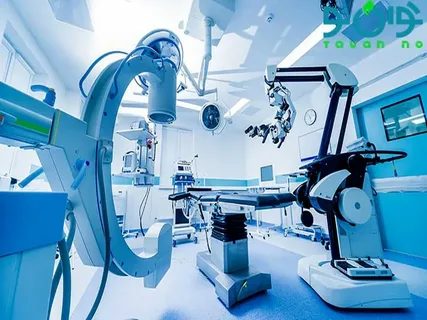
Supporting Innovation Through Customization and Rapid Development
- johan vick
- Business
- 2025-08-07
- 1814K
Medical device manufacturing demands the highest level of precision, cleanliness, and reliability. Whether it’s surgical tools, diagnostic machine parts, or implantable components, even the slightest imperfection can lead to serious consequences. In such a high-stakes industry, manufacturers need processes that consistently deliver top-quality results—and that’s exactly what medical CNC machining services provide. These services make it possible to produce intricate parts with tight tolerances using materials approved for medical applications. CNC machining not only guarantees repeatability and accuracy but also supports rapid development and scalable production—making it indispensable in modern healthcare.
Unmatched Precision and Material Versatility for Critical Applications
Accuracy That Meets Industry Standards
Medical equipment and devices must meet strict global regulations and function flawlessly under critical conditions. CNC machining allows manufacturers to maintain tolerances within microns, which is crucial when working with components like bone screws, catheter tips, and surgical scissors. Such accuracy is necessary to ensure a perfect fit and smooth interaction with human tissue or other device parts. Unlike manual processes, CNC machining operates with automated instructions, eliminating human error and improving production consistency. Many medical CNC machining providers also operate under ISO 13485 quality standards, a key certification that confirms adherence to stringent medical manufacturing requirements.
Materials Designed for Safety and Biocompatibility
One of the key advantages of CNC machining is its ability to handle a broad range of materials that are commonly used in healthcare applications. These include titanium, stainless steel, PEEK, and various medical-grade plastics. Each of these materials must meet biocompatibility standards to ensure they don’t cause reactions or fail under sterilization processes. CNC machines can cut, drill, and mill these tough materials cleanly, preserving their mechanical and surface properties. In many cases, the resulting components are used directly in surgery or patient care, so quality cannot be compromised at any stage.
Supporting Innovation Through Customization and Rapid Development
Fast Prototyping and Design Adaptation
In the medical industry, innovation moves fast. Companies racing to develop new diagnostic tools or treatment devices need prototyping methods that are equally agile. CNC machining allows manufacturers to go from CAD design to functional prototype in a matter of days. This enables faster testing, clinical trials, and feedback loops. When design modifications are needed, updated machining programs can quickly generate the next version—without the delays or costs associated with new tooling. This flexibility is essential for startups and established OEMs alike as they navigate product development and regulatory approvals.
Custom and Patient-Specific Solutions
Medical CNC machining also supports the growing trend toward personalized healthcare. Custom implants, orthopedic braces, and dental fixtures are just a few examples of patient-specific components that can be machined with exact precision. CNC systems make it possible to scale down from mass production to small-batch or even one-off jobs, all while maintaining the same level of accuracy. This capability enhances treatment outcomes and patient satisfaction, especially in specialized fields such as orthopedics, prosthetics, and reconstructive surgery where customization is critical.
Choosing a CNC Partner That Understands Medical Manufacturing
Cleanroom Protocols and Post-Processing
Medical parts often require not just precision but also sterile production environments. Some CNC machining providers offer cleanroom-compatible production and work closely with sterilization vendors to prepare parts for direct use in medical settings. Surface finishing processes such as electropolishing or passivation are also critical to remove contaminants and improve part performance. Choosing a CNC partner that understands these requirements ensures compliance and reduces risks throughout the supply chain.
Quality Assurance and Documentation
In regulated industries like healthcare, quality assurance is non-negotiable. Manufacturers must provide full traceability of materials, processing, and inspection. A reputable CNC machining provider will maintain detailed documentation at every step, including first article inspections, material certificates, and dimensional reports. These records are essential not only for regulatory compliance but also for maintaining customer trust and reducing the risk of product recalls or liability.
Capacity for Scale and Future Growth
As demand for medical devices grows, especially with the rise of remote care and wearable health tech, manufacturers must be able to scale production efficiently. CNC machining supports this need by offering fast setup times, minimal tooling changes, and reliable output across high volumes. Whether producing a limited run for clinical trials or thousands of units for global distribution, the right CNC partner will offer the flexibility and infrastructure to adapt as needs evolve.
Conclusion: The Backbone of Reliable Medical Device Production
Medical CNC machining services play a vital role in delivering safe, precise, and innovative healthcare solutions. These services enable manufacturers to meet the most demanding technical and regulatory requirements while supporting new advancements in treatment and patient care. With the ability to handle biocompatible materials, produce complex geometries, and scale production quickly, CNC machining continues to shape the future of medical technology. Partnering with an experienced and certified CNC machining provider allows companies to bring their products to market with confidence—ensuring quality, performance, and safety in every component delivered.
1814 people like this


About Premium Author
This post has been authored and published by one of our premium contributors, who are experts in their fields. They bring high-quality, well-researched content that adds significant value to our platform.
Leave a Reply
Please login to post a comment.






0 Comments