

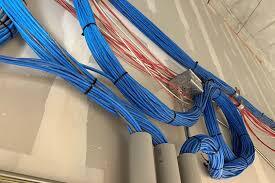
Low Voltage Contractors Driving Smart Building Innovation
- john james
- Business
- 2025-08-12
- 1873K
The advancement of smart technologies has revolutionized the way we think about office buildings, homes, and public spaces. These spaces are becoming more efficient, connected, and secure thanks to the integration of smart building systems. However, none of this would be possible without the installation and maintenance of robust wiring systems provided by low voltage contractors.
From energy-efficient lighting to advanced security systems and communication networks, low voltage contractors are essential for ensuring that these systems function seamlessly. In this blog, we will explore why low voltage contractor are the backbone of smart building technologies, and how their work is key to making commercial spaces more efficient, secure, and adaptable to future innovations.
Key Takeaways:
- Low voltage contractors provide essential wiring services that power smart building technologies such as lighting control, HVAC systems, and security.
- These contractors ensure that buildings are equipped with future-ready infrastructure that supports new and evolving technologies.
- Properly installed low voltage systems are energy-efficient, safe, and optimized for performance.
The Role of Low Voltage Contractors in Smart Building Technologies
1. Powering Smart Building Systems
A smart building uses technology to control various systems like lighting, heating, cooling, and security, often in real time. These systems are powered by low voltage wiring, which is capable of transmitting data without excessive energy use, making it ideal for modern building systems.
Key smart systems include:
- Smart lighting systems: These systems automatically adjust based on occupancy, natural light, or time of day, providing energy savings and better control over lighting usage.
- Building management systems (BMS): These integrate HVAC, lighting, and other systems into one centralized platform, optimizing energy usage and improving the comfort of building occupants.
- Automated HVAC: A system that adjusts the building’s temperature and air quality based on real-time conditions, ensuring both energy efficiency and comfort.
Without the expertise of low voltage contractors, these smart systems would not be able to function efficiently. Their role is critical in setting up the wiring systems that enable these technologies to operate.
2. Enabling Secure and Efficient Networks
In a smart building, connectivity is essential. From Wi-Fi networks to fiber optic connections and telecommunications, the success of smart technology relies on high-quality network infrastructure. Low voltage contractors are responsible for installing the wiring that supports these networks.
Examples of network systems that depend on low voltage wiring:
- Communication systems: Phone lines, data transmission cables, and video conferencing systems that keep the workplace connected.
- Internet networks: High-speed data connections, including Ethernet cables and fiber optics, that ensure fast communication and smooth operations in the building.
- Security networks: Systems that connect access control panels, surveillance cameras, and alarm systems, ensuring that the building is secure.
By ensuring these networks are properly set up, low voltage contractors help create a foundation for smart building systems, enhancing their functionality and ensuring high-speed connectivity across the building.
3. Supporting Building Security and Surveillance
Security is a top priority in any building, whether residential, commercial, or mixed-use. With the rise of smart technologies, low voltage contractors help install the security systems that protect the building and its occupants.
Security systems powered by low voltage wiring include:
- Surveillance cameras: Monitored 24/7, surveillance cameras provide essential coverage to detect and prevent unauthorized access.
- Access control systems: Smart locks and keycard systems powered by low voltage wiring control who can access different areas of the building.
- Intruder alarms: Integrated with other systems, these alarms alert security personnel in the case of unauthorized access or emergencies.
By installing secure, low voltage systems, contractors help ensure that these technologies operate seamlessly and are optimized to protect the building and its occupants.
4. Ensuring Energy Efficiency
Energy efficiency is a growing concern for building owners, and low voltage contractors play a key role in reducing energy consumption. Low voltage wiring is not only more energy-efficient but also allows the installation of smart energy-saving systems that can optimize building operations.
Examples of energy-saving technologies:
- Automated lighting: Adjusts according to ambient light and occupancy, reducing electricity use.
- Smart thermostats: Learn from building usage patterns and adjust temperature settings accordingly, preventing energy waste when areas are unoccupied.
- Power-saving systems: These systems help monitor and reduce the overall energy usage in a building, ensuring that energy is consumed efficiently.
By installing these systems, low voltage contractors help businesses and homeowners reduce their energy costs and create more sustainable environments.
Conclusion
Smart building technologies are revolutionizing the way we interact with our built environment. From automated lighting systems to advanced security features, these systems help improve energy efficiency, security, and the overall functionality of buildings. However, none of these innovations would be possible without low voltage contractors.
These professionals provide the essential infrastructure that powers modern building systems. By installing reliable, energy-efficient, and flexible wiring, low voltage contractors ensure that buildings are ready for current and future technologies. Their expertise is fundamental in turning ordinary buildings into smart buildings that offer convenience, sustainability, and security.
1873 people like this


About Premium Author
This post has been authored and published by one of our premium contributors, who are experts in their fields. They bring high-quality, well-researched content that adds significant value to our platform.
Leave a Reply
Please login to post a comment.








0 Comments