

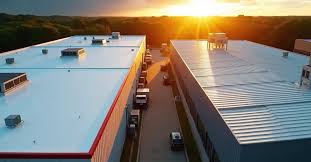
TPO is a single-ply membrane that is heat-welded at the seams and typically mechanically fastened or fully adhered to the roof deck. It has become the go-to material for flat and low-slope commercial roofs because it is relatively affordable.
If you own a commercial building in Pinetop-Lakeside, your roof takes a beating that valley properties never see. Snow loads, rapid freeze-thaw cycling, monsoon downpours, and UV intensity at nearly 7,000 feet all hit your roof year after year. When it is time to replace or upgrade, the two most common options for commercial buildings in this area are TPO (thermoplastic polyolefin) membrane and standing seam metal panels. They are very different systems, and the right choice depends on your building type, slope, budget, and how long you plan to own the property.
TPO: The Flat Roof Standard
TPO is a single-ply membrane that is heat-welded at the seams and typically mechanically fastened or fully adhered to the roof deck. It has become the go-to material for flat and low-slope commercial roofs because it is relatively affordable, reflects UV well, and installs faster than most alternatives.
For Lakeside businesses with flat-roof structures like strip retail, offices, and restaurants, TPO handles the summer heat and monsoon rain reasonably well. A quality TPO system from a reputable Pinetop-Lakeside commercial roofers company will come in 50-mil, 60-mil, or 80-mil thickness. Thicker membranes resist punctures and hail better, which matters during the monsoon season when debris gets airborne.
However, TPO has clear limitations at this elevation. Its typical lifespan is 15 to 25 years, and that range shortens when the membrane endures constant UV bombardment and freeze-thaw stress. The welded seams can weaken over time as the membrane expands and contracts with daily temperature swings that can exceed 40 degrees between morning and afternoon. Ponding water on flat sections accelerates wear, and if drainage is not properly designed, you end up with soft spots and premature failure.
TPO also requires more frequent inspections. A commercial roofing company experienced in mountain properties will typically recommend twice-annual inspections for TPO roofs, once before winter and once after monsoon season, to catch seam separation, punctures, and flashing failures before they cause interior damage.
Standing Seam Metal: Built for the Long Haul
Standing seam metal roofing uses interlocking panels with raised seams that snap or mechanically lock together. Fasteners are hidden beneath the seam, which means there are no exposed screws or nail heads that can back out, rust, or create leak points over time.
For commercial buildings with any degree of roof slope, standing seam is hard to beat in a mountain climate. The panels shed snow actively, which reduces the load on your structure and eliminates the ponding issues that plague flat membranes. Metal handles freeze-thaw cycling without expanding and contracting the way TPO does, because the panel system is designed with built-in allowance for thermal movement.
Lifespan is the biggest differentiator. A standing seam system installed by a qualified Lakeside commercial roofers company will last 40 to 60+ years with minimal maintenance. That is two to three times the life of a TPO membrane. Over the life of the building, you may replace a TPO roof twice before a standing seam roof reaches the end of its first run.
Standing seam also carries a Class A fire rating, which matters in the wildland-urban interface zones around Pinetop-Lakeside. Insurance carriers often recognize metal roofing favorably in these fire-prone areas, and some provide premium reductions for commercial properties with metal roof systems.
Cost Comparison
TPO typically costs $5 to $8 per square foot installed for commercial applications. Standing seam metal runs $10 to $16 per square foot, depending on gauge, finish, and panel profile. The upfront gap is real, but the math shifts when you factor in longevity, reduced maintenance, lower insurance premiums, and energy savings from metal's superior heat reflection.
For a 5,000-square-foot commercial roof, TPO might run $25,000 to $40,000 installed. Standing seam would come in at $50,000 to $80,000. But if you are going to own the building for 20+ years, the standing seam roof likely costs less per year of service and avoids the disruption of a mid-life tear-off and replacement.
Which One Fits Your Building
For flat roofs on a tight budget, TPO with a thicker membrane and proper drainage works well. If your roof has a slope or you plan to own long-term, standing seam metal is the stronger pick for Lakeside's climate.
All Custom Exteriors is a dependable commercial roofing company that installs both TPO and standing seam systems for Pinetop-Lakeside businesses. Their crews can walk your roof, compare both options against your building's layout and slope, and give you real numbers so you can pick the system that fits your property and budget.
2612 people like this


About Premium Author
This post has been authored and published by one of our premium contributors, who are experts in their fields. They bring high-quality, well-researched content that adds significant value to our platform.
Leave a Reply
Please login to post a comment.





0 Comments