

Transforming the Insurance Industry with AI-Powered Chatbots
- todetif todetif
- Technology
- 2025-11-12 11:42:43
- 2204K
The insurance industry, long known for its complex processes and high-touch customer interactions, is rapidly evolving in the age of digital transformation. One of the most significant innovations driving this change is the rise of AI-powered insurance chatbots. These intelligent virtual assistants are helping insurance companies streamline operations, improve customer engagement, and deliver personalized experiences all while reducing costs and increasing efficiency.
The Growing Role of Chatbots in Insurance
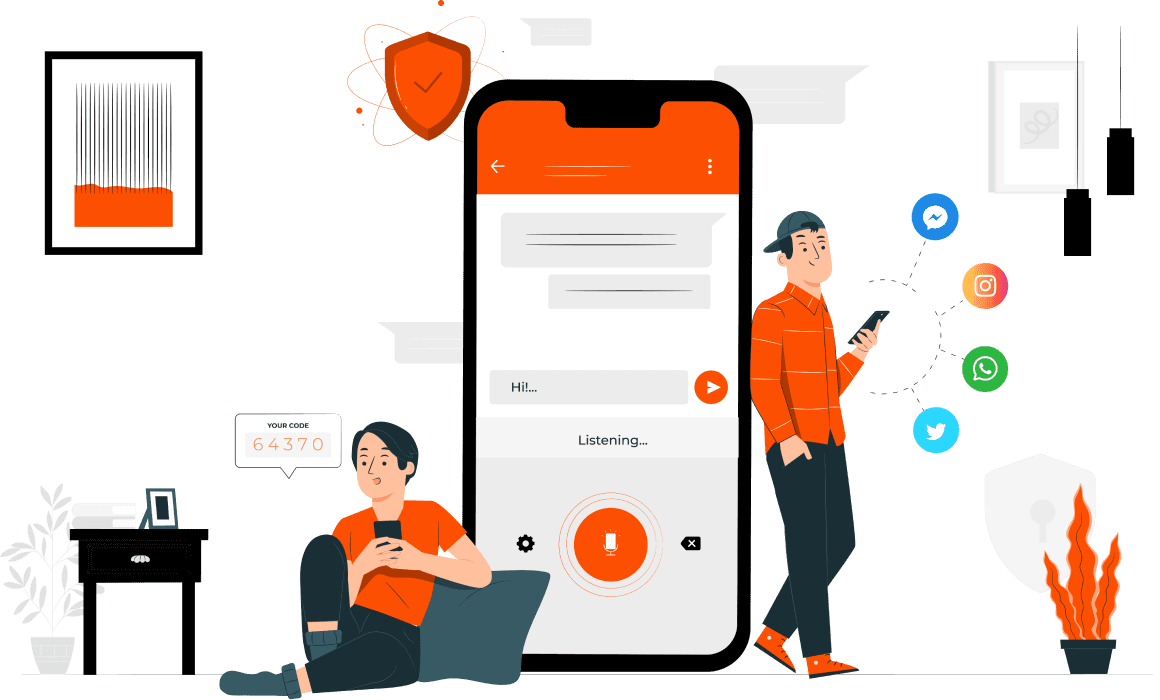
Today’s policyholders expect instant support, transparency, and a seamless digital experience. Whether it’s buying a new policy, filing a claim, or getting answers about coverage, customers no longer want to wait on hold or sift through long documents. This is where insurance bots come into play. Built using advanced AI and Natural Language Processing (NLP), these bots can understand user queries, offer accurate responses, and perform actions such as policy comparison, premium calculation, and claim submission anytime, anywhere.
Leading insurance companies are already integrating chatbots across their customer service, sales, and claims departments to keep up with evolving customer expectations.
6 Key Benefits of Insurance AI Agents for Insurance Companies
1. Instant and Consistent Customer Service
In the insurance sector, responsiveness and accuracy are crucial. Chatbots ensure instant, consistent, and error-free responses across multiple communication channels whether it’s a website, mobile app, or social media platform. Customers no longer need to wait for an agent to become available. This not only improves customer satisfaction but also ensures that every client receives the same level of service quality, regardless of when or where they reach out.
2. Faster Claims Processing
Claims are often the most stressful part of an insurance journey. Chatbots can simplify this process by guiding users step-by-step through claim submission, collecting necessary documents, and even providing claim status updates. Automating these repetitive tasks reduces manual workload and speeds up claim resolution, ensuring a smoother experience for customers.
3. Cost Efficiency and Operational Savings
Deploying chatbots allows insurance companies to handle large volumes of customer queries without expanding their workforce. Routine questions like policy details, premium due dates, or coverage inclusions can be managed automatically. This results in significant cost savings, allowing human agents to focus on more complex or high-value interactions, ultimately improving operational efficiency.
4. Personalized Policy Recommendations
AI-powered chatbots can analyze user profiles, historical data, and preferences to offer personalized insurance recommendations. For example, based on a customer’s age, income, and family structure, the bot can suggest suitable life or health insurance plans. This personalization improves customer satisfaction and increases cross-selling and upselling opportunities for insurers.
5. Enhanced Lead Generation and Conversion
These are also powerful tools for lead qualification and nurturing. When a visitor lands on an insurance website or mobile app, the chatbot can greet them, ask relevant questions, and collect information such as coverage interests or budget range. These insights allow the sales team to follow up with high-quality, pre-qualified leads, increasing the likelihood of conversion.
6. Improved Customer Engagement and Retention
By offering quick answers, proactive reminders, and policy updates, chatbots help maintain ongoing engagement with customers. They can notify users about upcoming renewals, new offers, or additional coverage options ensuring that clients remain informed and connected. This level of engagement fosters stronger loyalty and long-term retention.
Beyond Customer Support – A Digital Transformation Tool
Modern insurance chatbot do more than just respond to customer inquiries. The payment gateways, and document management tools, becoming a central part of the insurer’s digital ecosystem. Through automation and real-time data analysis, they help insurers make better decisions, predict customer needs, and deliver consistent service across all digital channels from websites to WhatsApp and social media.
The Future of Insurance is Conversational
As customer expectations continue to rise, adopting chatbot technology is no longer optional it’s a necessity for insurance providers that want to stay competitive. These intelligent digital assistants are revolutionizing how insurance companies communicate, operate, and grow.
By offering speed, personalization, and convenience, chatbots not only elevate customer experiences but also create tangible business value. In an increasingly digital world, insurance companies that embrace conversational AI will lead the way in building trust, efficiency, and long-term customer relationships.
The integration of AI-powered chatbots represents a strategic advantage for insurance companies. From boosting productivity to enhancing customer satisfaction, the benefits are clear the future of insurance lies in intelligent, automated, and customer-centric
communication.
2204 people like this



About Premium Author
This post has been authored and published by one of our premium contributors, who are experts in their fields. They bring high-quality, well-researched content that adds significant value to our platform.
Leave a Reply
Please login to post a comment.







0 Comments