

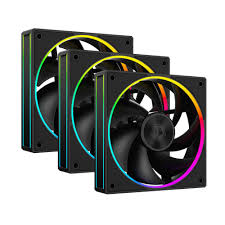
Cooling Fans for IT Hardware | Computer Hardware Cooling Guide
- Harry Smith
- Technology
- 2026-03-10 19:58:38
- 2522K
In the rapidly evolving world of technology, maintaining optimal system performance is essential for businesses and individuals alike. Modern IT Hardware and Computer Hardware components generate significant heat while performing complex tasks. Without proper cooling mechanisms, systems can experience performance drops, hardware damage, and even complete failure. This is where Cooling Fans play a critical role.
Cooling fans are one of the most fundamental yet vital components in computing systems. From personal desktops to enterprise-grade servers and large-scale data centers, these fans ensure that hardware operates within safe temperature ranges. By circulating air and dissipating heat, cooling fans help extend the life of valuable IT equipment while maintaining consistent performance.
Understanding the importance of cooling fans, how they function, and why they are necessary in modern computer infrastructure is essential for anyone involved in technology, IT management, or enterprise computing.
Understanding Cooling Fans in Computer Hardware
Cooling fans are mechanical devices designed to move air across electronic components to remove excess heat. Every piece of Computer Hardware, including processors, graphics cards, storage devices, and power supplies, generates heat when in operation. If this heat is not efficiently removed, it can lead to overheating, which affects performance and reliability.
Within modern IT Hardware systems, cooling fans work alongside heat sinks, thermal paste, and ventilation systems to regulate internal temperatures. These fans draw cooler air into the system and push hot air out, creating a continuous airflow cycle that keeps components stable.
Even the most advanced computer systems rely heavily on cooling fans. Whether it's a workstation handling complex graphics rendering or a server processing enterprise workloads, maintaining proper airflow is crucial for stable operation.
Why Cooling Fans Are Essential for IT Hardware
Heat is one of the biggest threats to electronic equipment. Excessive temperatures can cause components to throttle performance, malfunction, or degrade over time. Cooling fans are designed to combat these risks by providing consistent airflow and temperature control.
For IT Hardware environments such as enterprise servers and data centers, the importance of cooling cannot be overstated. Servers often run continuously, processing large volumes of data and supporting mission-critical applications. Without efficient cooling fans, these systems would quickly overheat and fail.
Cooling fans help maintain thermal stability by preventing heat buildup around critical components like CPUs, GPUs, memory modules, and storage devices. By ensuring proper airflow, fans protect Computer Hardware investments and reduce the risk of costly downtime.
In addition, proper cooling improves energy efficiency. Systems that operate at optimal temperatures consume less power and perform more efficiently, making cooling fans a valuable asset for organizations seeking sustainable IT operations.
Types of Cooling Fans Used in Computer Hardware
Cooling fans come in different designs and configurations depending on the specific requirements of the hardware they support. Each type serves a unique purpose in maintaining system stability.
Case fans are commonly installed inside computer chassis to create airflow throughout the entire system. These fans pull cool air into the case and expel warm air, ensuring consistent temperature regulation for all internal components.
CPU fans are specifically designed to cool the processor, which is one of the most heat-intensive components in Computer Hardware. These fans usually work with heat sinks to dissipate heat efficiently.
GPU fans are attached to graphics cards and help manage the heat generated during intensive tasks such as gaming, video editing, and AI processing.
Power supply fans maintain the temperature inside the power supply unit, ensuring that electrical components operate safely.
Server cooling fans are high-performance units used in enterprise IT Hardware environments. They are built to handle continuous workloads and provide powerful airflow to maintain the stability of critical systems.
Each of these cooling solutions contributes to the overall efficiency and reliability of computing systems.
Cooling Fans in Data Centers and Enterprise Systems
Large-scale computing environments rely heavily on advanced cooling strategies. Data centers house thousands of servers, networking devices, and storage systems, all of which generate significant heat.
In these environments, cooling fans play a crucial role in maintaining operational stability. High-performance server fans are designed to operate continuously under heavy workloads while maintaining optimal airflow.
Enterprise IT Hardware infrastructure uses specialized cooling systems that combine multiple fans with ventilation channels and temperature monitoring technologies. These systems ensure that equipment remains within safe thermal limits even during peak workloads.
Without effective cooling fans, data centers would struggle to maintain stable temperatures, leading to system failures, reduced performance, and increased maintenance costs. As organizations continue to rely on digital infrastructure, the demand for efficient cooling solutions continues to grow.
How Cooling Fans Improve System Performance
Cooling fans do more than simply prevent overheating; they also enhance overall system performance. When components operate within their recommended temperature range, they can function at full capacity without throttling.
Processors, for example, automatically reduce their speed when temperatures become too high. This protective mechanism prevents damage but also reduces performance. By maintaining proper airflow, cooling fans allow CPUs and GPUs to operate at maximum efficiency.
In professional computing environments where Computer Hardware must handle complex tasks such as virtualization, cloud computing, and high-performance computing, proper cooling becomes even more critical.
Cooling fans ensure that systems maintain stable performance levels, enabling businesses to run applications smoothly and efficiently.
The Role of Cooling Fans in Extending Hardware Lifespan
Electronic components naturally degrade over time, but excessive heat accelerates this process significantly. High temperatures can damage circuit boards, reduce the lifespan of processors, and affect storage reliability.
By maintaining controlled temperatures, cooling fans help extend the lifespan of valuable IT Hardware assets. Organizations that invest in proper cooling infrastructure often experience fewer hardware failures and reduced maintenance costs.
For businesses operating large networks of servers and workstations, this longevity translates into significant cost savings. Instead of frequently replacing damaged components, companies can maintain stable systems for longer periods.
Cooling fans therefore serve not only as protective components but also as long-term investments in hardware reliability.
Choosing the Right Cooling Fans for Computer Systems
Selecting the right cooling fans depends on several factors, including system size, workload requirements, and airflow design. Different computing environments require different cooling solutions.
For desktop systems, standard case fans and CPU fans may provide sufficient cooling. However, enterprise Computer Hardware often requires high-performance fans capable of delivering stronger airflow and operating continuously.
Fan size, rotation speed, noise levels, and airflow capacity are key considerations when selecting cooling solutions. Larger fans typically move more air while producing less noise, making them ideal for professional workstations.
Organizations managing large IT Hardware environments also consider redundancy and reliability. Many server systems include multiple cooling fans to ensure that airflow continues even if one fan fails.
Proper fan placement and airflow management are equally important. Efficient cooling systems rely on balanced airflow that moves heat away from critical components quickly and effectively.
Maintenance and Best Practices for Cooling Fans
Even the most advanced cooling fans require proper maintenance to remain effective. Dust accumulation, blocked vents, and worn components can reduce airflow and lead to overheating.
Regular cleaning is essential for maintaining optimal cooling performance. Dust buildup can obstruct fan blades and airflow paths, reducing the efficiency of the cooling system.
Monitoring system temperatures is another important practice. Many modern Computer Hardware systems include temperature sensors that allow administrators to track thermal conditions in real time.
Replacing worn or failing fans promptly helps maintain system stability. A malfunctioning fan can cause rapid temperature increases that may damage sensitive IT Hardware components.
By implementing routine maintenance and monitoring practices, organizations can ensure that their cooling systems continue to operate effectively.
Future Trends in Cooling Technology
As computing technology advances, the demand for efficient cooling solutions continues to increase. Modern processors and graphics units deliver incredible performance but also generate significant heat.
Innovations in cooling technology are emerging to address these challenges. Advanced fan designs now offer improved airflow efficiency and quieter operation. Smart cooling systems can automatically adjust fan speeds based on temperature conditions, optimizing both performance and energy consumption.
In large-scale IT Hardware environments, integrated cooling solutions are becoming increasingly sophisticated. Data centers now combine cooling fans with advanced airflow management, liquid cooling systems, and AI-based temperature monitoring.
Despite these technological advancements, cooling fans remain a fundamental component of Computer Hardware infrastructure. Their reliability, affordability, and effectiveness make them indispensable in both personal and enterprise computing environments.
Conclusion
Cooling fans are an essential part of modern computing systems. From individual desktops to large-scale enterprise infrastructure, these components play a vital role in maintaining system stability and protecting valuable hardware investments.
By managing heat effectively, cooling fans ensure that IT Hardware and Computer Hardware operate within safe temperature ranges. This not only improves system performance but also extends the lifespan of critical components.
As technology continues to evolve, the need for reliable cooling solutions will only increase. Organizations and individuals who understand the importance of cooling fans and implement effective thermal management strategies will be better positioned to maintain efficient, reliable computing environments.
2522 people like this


About Premium Author
This post has been authored and published by one of our premium contributors, who are experts in their fields. They bring high-quality, well-researched content that adds significant value to our platform.
Leave a Reply
Please login to post a comment.




0 Comments