

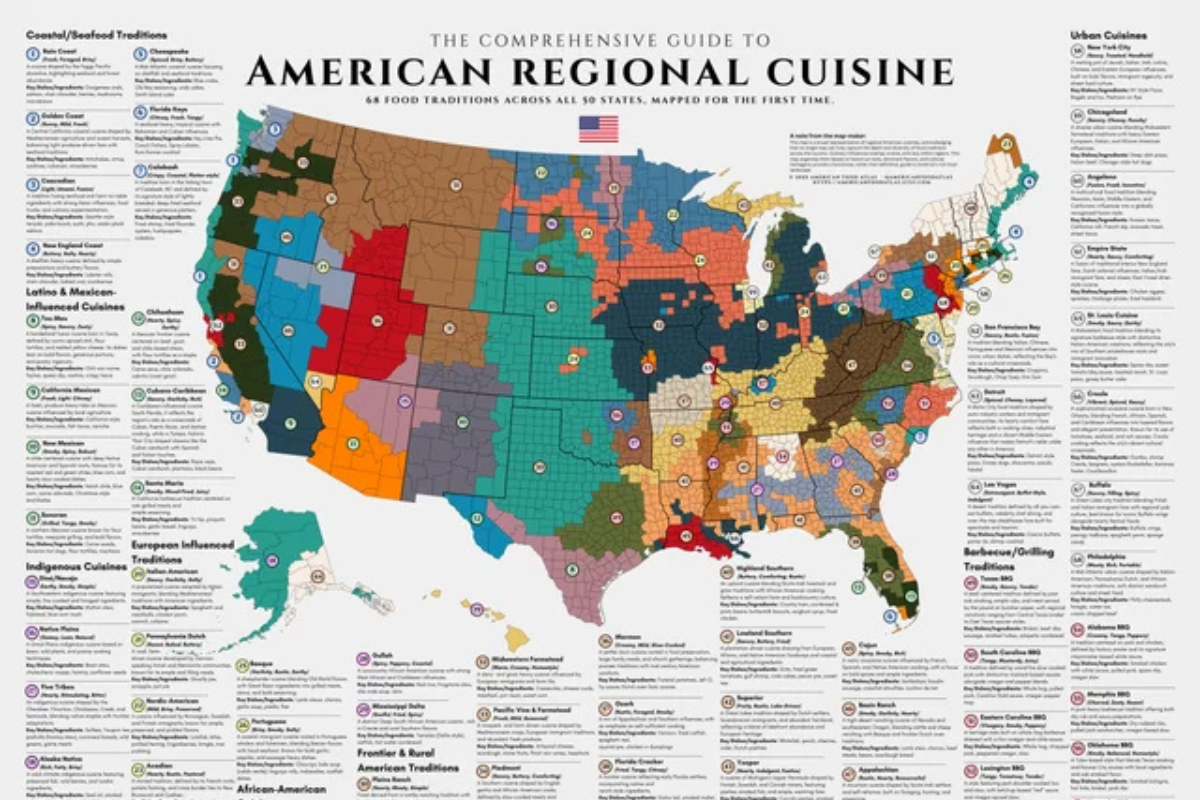
Exploring Regional Cuisine: A Taste of American Food Culture
Food is one of the most vibrant ways to experience a region’s culture. Every state in the U.S. has its own culinary identity, shaped by geography, history, and the people who call it home. Regional dishes tell stories — of migration, trade, climate, and cultural fusion — in ways that travel guides and museums often cannot.
Understanding local cuisine helps visitors and residents alike connect with a region on a deeper level. It’s more than taste; it’s a reflection of heritage and community values.
How Geography Influences Flavor
The ingredients available in a region greatly shape the local cuisine. For instance, coastal areas often have seafood-centric dishes, while inland regions may highlight grains, livestock, or local produce. Climate, soil, and water availability all contribute to what ends up on the plate.
In many parts of the country, the same dish can vary slightly depending on local produce or traditional methods. These subtle differences make exploring regional cuisine both exciting and educational.
The Role of History in Culinary Development
History plays a major role in shaping local food. Immigration patterns, trade routes, and cultural exchanges have introduced new spices, ingredients, and techniques across the United States.
Some dishes originated as practical solutions to climate or resource constraints and evolved into beloved cultural staples. Over time, these meals become markers of regional identity — something locals are proud to share with visitors.
Street Food and Community Markets
Street food and local markets are often the heartbeat of a region’s culinary scene. Small vendors experiment with flavors while staying rooted in tradition, offering an authentic taste of the area.
These foods give tourists a direct connection to everyday local life. Sampling items from food trucks, bakeries, or farmers’ markets provides a sense of authenticity that cannot be replicated in chain restaurants.
Food as a Cultural Bridge
Regional cuisine is not just about the locals; it can act as a cultural bridge for visitors. Culinary tourism encourages travelers to explore regions through taste. Restaurants, cooking classes, and food festivals allow visitors to learn about history, traditions, and local lifestyles.
Dishes serve as a story in edible form — showing how communities adapted, innovated, and celebrated their environment.
Celebrating Iconic Regional Favorites
Every state has signature dishes that have become symbols of its identity. For example, when people think of Texas, they often associate it with bold flavors, barbecue culture, and comfort foods unique to the region. For those curious about local specialties, exploring the top 10 Texas foods provides a delicious introduction to the state’s culinary diversity.
But beyond Texas, other regions have equally rich culinary traditions, each reflecting its own history and ingredients. Comparing dishes across regions helps illustrate how culture and geography work together to shape what people eat.
How Modern Trends Influence Regional Cuisine
Regional foods continue to evolve as chefs experiment with new techniques and ingredients. Modern trends such as plant-based diets, sustainability, and global fusion are influencing traditional dishes.
However, the essence of a region’s cuisine usually remains intact. Even as recipes adapt to contemporary tastes, authentic flavors, methods, and cultural stories are preserved — maintaining the connection between food and identity.
Supporting Local Economies Through Food
Local food is more than just flavor; it also drives economies. Restaurants, food producers, and markets generate jobs and attract tourism. Culinary festivals and tasting events bring in visitors, creating revenue while promoting cultural heritage.
Consumers who buy local or travel for food experiences help sustain communities and preserve traditional cooking methods. Supporting regional cuisine keeps both culture and commerce thriving.
Food, Memory, and Identity
Regional dishes often evoke nostalgia. Recipes passed down through generations carry memories of family gatherings, holidays, and celebrations. Tastes and aromas can instantly remind someone of their home or hometown, making food a powerful cultural connector.
Even as communities grow and demographics shift, regional foods continue to serve as a link between the past and the present, maintaining a sense of identity and belonging.
The Future of American Regional Cuisine
As the U.S. becomes more interconnected, regional foods continue to gain recognition outside their home states. Social media, online marketplaces, and culinary tours allow iconic dishes to reach wider audiences without losing authenticity.
By preserving traditional recipes while embracing modern techniques, regional cuisine remains a living, evolving reflection of local culture — one bite at a time.
Final Thoughts
Exploring local culinary traditions offers far more than a meal; it offers a lens into the history, geography, and values of a region. By sampling regional specialties, participating in food festivals, or learning about local ingredients, people connect with culture in an immediate, memorable way.
For anyone interested in tasting the heart of Texas, discovering the top 10 Texas foods is a perfect starting point — an introduction to bold flavors, community pride, and culinary heritage that defines the state.
2423 people like this



About Premium Author
This post has been authored and published by one of our premium contributors, who are experts in their fields. They bring high-quality, well-researched content that adds significant value to our platform.
Leave a Reply
Please login to post a comment.






0 Comments