

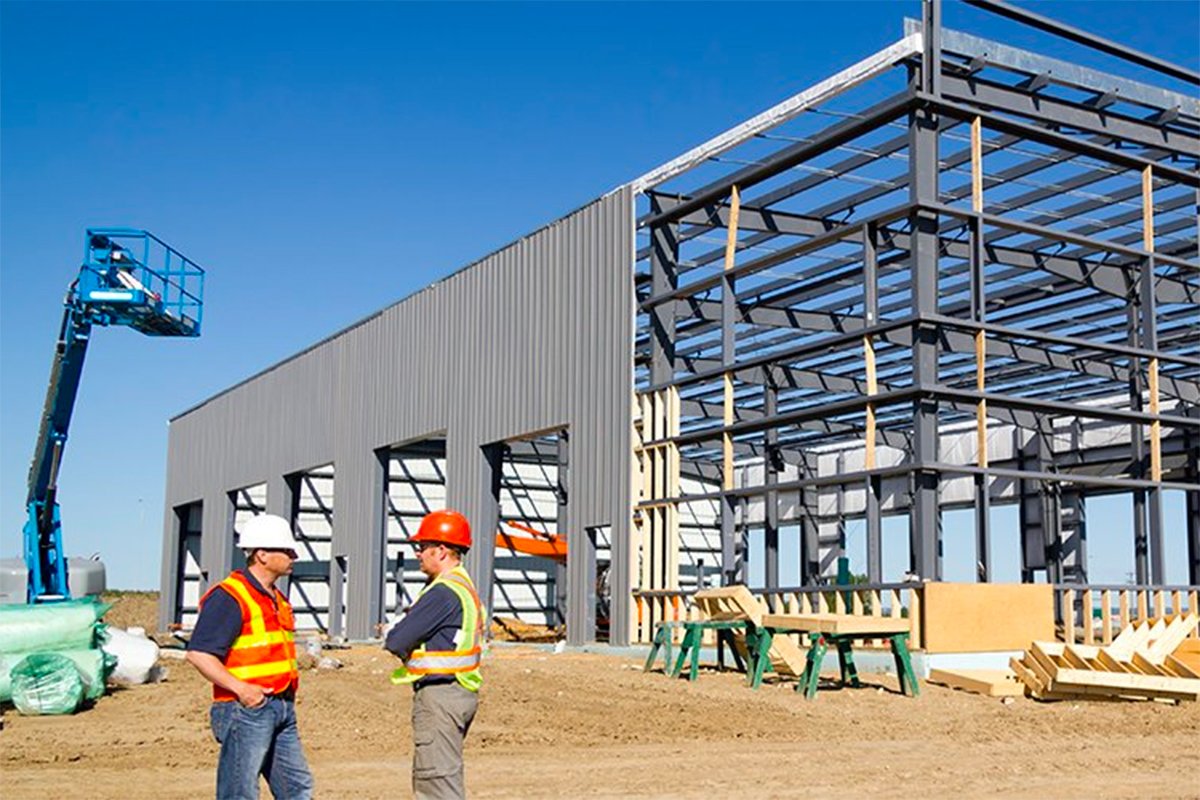
Future Trends in Large-Scale Commercial Construction 2026
- KDK Power Contractor LLC
- Business
- 2026-03-14 01:03:40
- 2548K
The construction industry is evolving rapidly with new technologies and practices. Commercial construction large-scale projects are becoming more complex, requiring innovative strategies for efficiency and safety. Companies are adopting construction technology advancements and mega construction projects innovations to improve planning, execution, and sustainability. These projects require careful coordination among architects, engineers, and contractors to meet timelines and budgets. Large-scale project management strategies ensure resources, labor, and materials are allocated properly. Sustainable building practices reduce environmental impact and operational costs. By adopting these trends, businesses can stay competitive while delivering high-quality projects. Modern construction solutions also increase safety, productivity, and efficiency across all phases of development.
Embracing Advanced Construction Technology
Leading construction firms are integrating new tools and digital solutions. KDK Power Contractors uses software, automation, and IoT devices to track resources efficiently. Drones and 3D modeling help visualize project progress and identify potential risks. Construction technology advancements improve accuracy, reduce errors, and save time. Automated scheduling and monitoring streamline operations across multiple teams. Smart sensors monitor material usage, energy consumption, and safety compliance effectively. These tools also enhance collaboration between architects, engineers, and on-site workers. Companies that adopt technology stay ahead of competitors while reducing costs. Modern large-scale projects demand intelligent solutions to meet complex requirements and deadlines consistently.
Construction Technology Advancements
Digital innovations are transforming construction workflows rapidly. Building Information Modeling allows precise planning of materials and labor. Robotics automates repetitive tasks like bricklaying, reducing human error and fatigue. Prefabrication techniques accelerate construction, saving both time and costs. Advanced machinery monitors structural integrity and ensures safe operations daily. Cloud-based platforms improve project communication and documentation across locations. Energy-efficient designs are integrated during the planning stage with predictive simulations. Construction technology advancements contribute to sustainability, safety, and efficiency. Firms using these methods complete projects faster with fewer delays and reduced waste. Technology is central to modern commercial construction large-scale projects success.
Sustainable Building Practices for 2026
Sustainability is now a core component of large-scale commercial construction. Companies adopt renewable energy, efficient HVAC systems, and LED lighting to reduce carbon footprint. Green materials and proper waste management ensure minimal environmental impact. Sustainable building practices also improve operational efficiency, lowering energy and maintenance costs. Water recycling, proper insulation, and solar energy integration enhance project sustainability. Regulatory requirements often mandate eco-friendly designs for new constructions. Large-scale project management strategies now include sustainability as a critical metric for success. Sustainable construction attracts investors and tenants interested in responsible development. By combining compliance with innovative solutions, companies deliver environmentally conscious and profitable projects consistently.
Mega Construction Projects Innovations
Innovations in mega construction projects enhance speed, quality, and cost management. Modular construction enables pre-fabricated sections to be assembled efficiently on-site. Advanced project management software tracks progress and resources accurately. Robotics and drones improve monitoring, quality control, and worker safety. Materials are optimized to reduce waste and ensure durability. Mega construction projects innovations also include smart building integration for energy and security systems. Using predictive analytics, managers foresee risks and implement corrective measures proactively. Innovative construction methods reduce delays, lower costs, and enhance overall efficiency. Businesses investing in modern techniques gain competitive advantages in complex commercial construction large-scale projects consistently.
Large-Scale Project Management Strategies
Effective large-scale project management is essential for successful outcomes. Teams coordinate schedules, labor, and materials efficiently to prevent delays. Resource allocation strategies ensure equipment and manpower are used optimally. Risk management processes identify potential hazards and provide solutions proactively. Communication systems maintain collaboration across multiple teams and locations. Large-scale project management strategies incorporate quality control inspections and safety audits. Project managers track budgets, timelines, and compliance requirements for better decision-making. Using technology to streamline management improves efficiency and reduces operational mistakes. Well-executed strategies lead to timely project completion, cost savings, and long-term reliability of commercial developments.
Commercial Construction Trends 2026
Several trends are shaping the future of commercial construction in 2026. Smart building integration with IoT improves energy efficiency and monitoring. Robotics and automation reduce human error while increasing productivity. Prefabrication and modular designs accelerate project delivery. Sustainability and compliance are now key drivers in project planning. Data analytics helps managers forecast costs, timelines, and resource needs accurately. Companies focusing on innovation adopt cloud-based collaboration platforms to coordinate multiple teams effectively. Embracing these commercial construction trends 2026 ensures projects remain competitive, safe, and sustainable. Businesses that adapt to these trends will lead the industry in efficiency and innovation.
Benefits of Investing in Modern Large-Scale Construction
Modern construction methods provide numerous benefits for large-scale projects. Efficiency improves through digital monitoring, automation, and smart scheduling. Sustainability reduces operational costs and environmental impact significantly. Safety is enhanced with real-time monitoring, training, and predictive risk analysis. Collaboration between teams is streamlined with cloud-based tools and communication platforms. Innovation allows faster project delivery and improved quality. Companies gain a competitive edge by meeting client expectations with advanced construction solutions. Long-term reliability, regulatory compliance, and reduced maintenance issues are additional advantages. By investing in these approaches, businesses ensure commercial construction large-scale projects are delivered successfully, efficiently, and sustainably.
Conclusion
The future of large-scale commercial construction depends on innovation, sustainability, and effective management. Commercial construction large-scale projects now require integration of technology, eco-friendly practices, and smart strategies. Firms adopting construction technology advancements, mega construction projects innovations, and sustainable building methods achieve higher efficiency and safety. Large-scale project management strategies ensure resources, labor, and timelines are optimized. Companies like KDK Power Contractors demonstrate how modern approaches can transform complex projects into reliable, profitable, and environmentally responsible outcomes. Adapting to trends in 2026 ensures commercial developments remain competitive and future-ready. The construction industry is evolving, and embracing modern methods is key to long-term success.
FAQs
What are commercial construction large-scale projects?
These projects involve extensive planning, resources, and technology to build large, complex structures efficiently.
How do construction technology advancements improve efficiency?
They automate tasks, track resources digitally, and reduce errors, saving time and lowering costs.
Why are sustainable building practices important in 2026?
Sustainability reduces environmental impact, energy consumption, and operational expenses while enhancing project reputation.
What innovations are shaping mega construction projects?
Modular designs, robotics, drones, and smart systems improve speed, safety, and quality consistently.
How do large-scale project management strategies benefit construction?
They optimize resources, maintain compliance, reduce risks, and ensure timely completion of complex projects.
2548 people like this



About Premium Author
This post has been authored and published by one of our premium contributors, who are experts in their fields. They bring high-quality, well-researched content that adds significant value to our platform.
Leave a Reply
Please login to post a comment.





0 Comments