

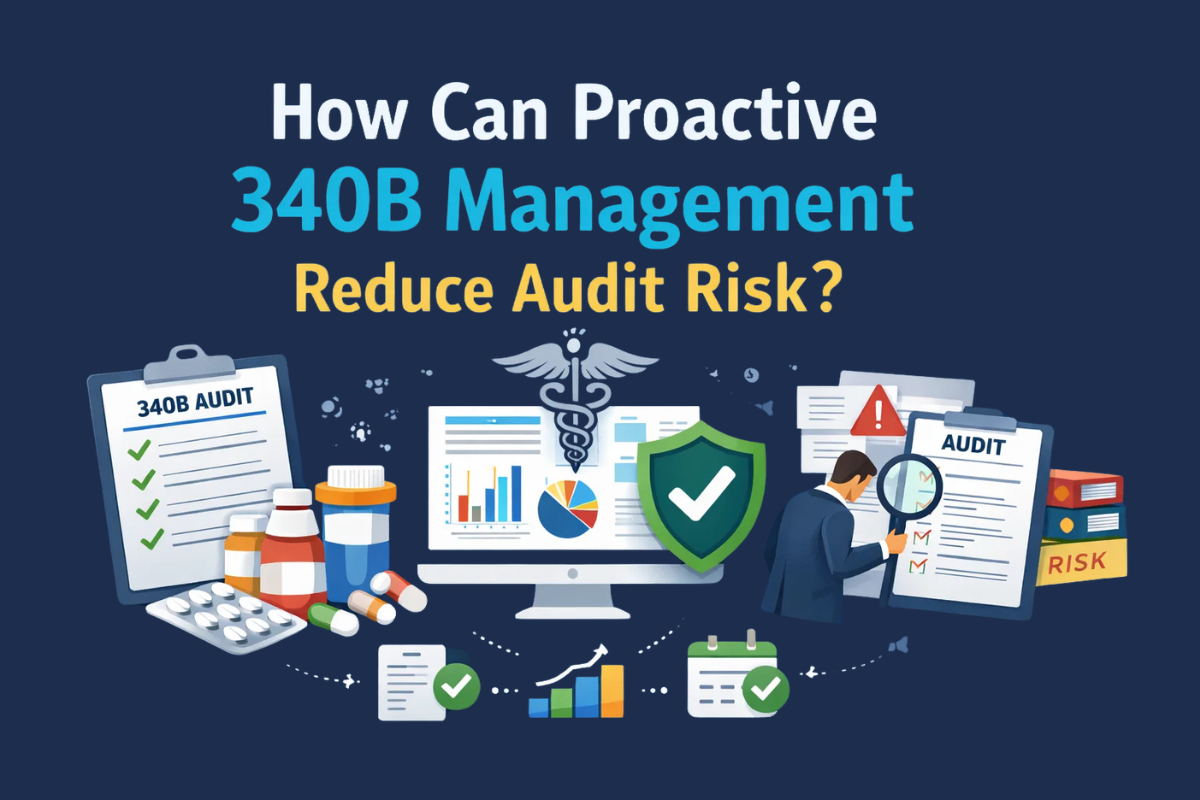
How Can Proactive 340B Management Reduce Audit Risk?
- Jason Harrison
- Health
- 2026-02-13 16:49:22
- 2450K
Proactive 340B program management significantly reduces audit risk by ensuring continuous compliance with guidelines set by the Health Resources and Services Administration (HRSA), which oversees the 340B Drug Pricing Program. By implementing real-time eligibility verification, accurate split-billing processes, routine internal audits, and thorough documentation practices, covered entities can prevent common violations such as duplicate discounts and diversion. Regular policy updates, staff training, and automated compliance monitoring tools further help identify and correct discrepancies before they escalate into formal findings. This forward-looking approach not only minimizes financial penalties and repayment obligations but also protects organizational reputation and maintains program integrity during HRSA audits.
Brief Overview of 340B Program
The 340B program is a U.S. federal initiative aimed at providing discounted prescription drugs to eligible healthcare organizations, including hospitals, community health centers, and specialized care clinics. This program ensures that these entities can extend their services to underserved communities by reducing the cost of medications. Understanding the basic structure and purpose of 340B is essential for healthcare organizations to leverage its full potential. By participating, covered entities can save millions of dollars annually, which can be reinvested into patient care and other essential services.
Importance of 340B Compliance
Compliance with 340B regulations is critical for healthcare organizations. Failure to follow proper procedures can lead to audit risk, financial penalties, and even the loss of eligibility for the program. Audits of 340B programs have become more frequent as regulators focus on ensuring that the program is used as intended, providing cost savings to vulnerable populations. By proactively managing the 340B program, healthcare providers can avoid non-compliance issues that could result in costly consequences. Establishing a robust compliance framework is key to minimizing these risks.
What Is 340B Management?
Definition and Key Components
340B management refers to the system and strategies employed by covered entities to ensure they remain compliant with the requirements of the 340B program. This includes monitoring eligibility criteria for both entities and patients, ensuring correct drug purchases, and managing inventory effectively. Key components of 340B management also include the monitoring of pharmacies that participate in the program, ensuring they adhere to the necessary rules. Effective 340B management requires comprehensive oversight and accountability from both healthcare providers and their partners, including pharmacies and distributors.
The Role of 340B in Healthcare Organizations
The 340B program plays a crucial role in supporting the financial health of healthcare organizations, especially safety-net providers. It allows them to access medications at significantly reduced prices, thereby helping them expand their services to low-income and uninsured patients. Additionally, these savings help fund programs that directly improve patient care, such as behavioral health services, outpatient services, and community outreach initiatives. Without the 340B program, many organizations might struggle to offer affordable care, especially in underserved communities where patients rely on such programs.
The Audit Process in 340B Programs
Overview of 340B Audits
The 340B program is subject to audits from both federal and private entities to ensure compliance with regulatory guidelines. These audits focus on verifying that healthcare organizations are using the savings from the program to serve the intended populations and not diverting drugs or misusing the benefits. Audits can be triggered by suspicious activity, inconsistencies in purchasing records, or random checks. Healthcare organizations must be prepared for the possibility of an audit and must have proper documentation and systems in place to demonstrate compliance.
Potential Consequences of Non-compliance
Failing a 340B audit can have severe consequences. The most significant penalty is the potential loss of eligibility for the 340B program, which would mean that healthcare organizations would no longer be able to access discounted drugs. Other penalties may include monetary fines, the requirement to repay overpayments, and reputational damage. For many healthcare entities, especially those serving low-income populations, the financial impact of losing access to 340B could be devastating, as they would have to either raise drug prices or reduce services.
Proactive 340B Management Strategies
Regular Internal Audits and Self-Assessment
Conducting regular internal audits and self-assessments helps organizations identify potential compliance issues before they become major problems. By reviewing purchasing records, eligibility checks, and drug dispensation practices periodically, healthcare organizations can stay ahead of the curve. This proactive approach allows them to detect errors, inconsistencies, or gaps in compliance early, enabling timely corrections. In addition, conducting internal audits fosters a culture of accountability and transparency, reducing the likelihood of future audit failures.
Training and Education
Staff education is a vital component of any proactive 340B management strategy. Ensuring that all employees—especially those directly involved with drug dispensing, purchasing, and record-keeping—understand 340B rules and regulations is critical for compliance. Regular training sessions should be held to keep staff updated on changes in regulations and best practices. Well-informed staff are more likely to adhere to guidelines and spot potential errors before they become problematic. Additionally, educating leadership on the strategic importance of the 340B program can help align organizational priorities with compliance.
Clear Documentation and Record-Keeping
Proper documentation and record-keeping are fundamental to 340B management. Covered entities must maintain detailed records of drug purchases, patient eligibility, and dispensed medications. These records should be easily accessible and regularly reviewed to ensure they are complete and accurate. Proper documentation provides transparency and can be crucial in the event of an audit. In addition to keeping detailed purchase logs, organizations should also document their compliance procedures and training efforts, demonstrating a proactive approach to managing the program.
Software and Technology Solutions
To streamline 340B management, healthcare organizations can leverage specialized software and technology solutions. These tools can automate the tracking of drug purchases, inventory management, and patient eligibility verification. Additionally, advanced software solutions can generate real-time reports, making it easier for organizations to stay on top of their compliance status. Technology can also help identify potential discrepancies or areas of concern, alerting management to take action before a problem arises. By investing in the right tools, healthcare organizations can reduce manual errors and improve overall efficiency in managing the 340B program.
Reviewing Contract Pharmacy Agreements
Many covered entities rely on contract pharmacies to dispense 340B medications. It's essential to review these agreements regularly to ensure compliance with 340B regulations. Contract pharmacies must follow specific rules regarding pricing, inventory management, and patient eligibility. Regular audits of contract pharmacies can help prevent discrepancies and ensure that drugs are dispensed correctly. By actively managing these relationships and ensuring adherence to contractual obligations, healthcare organizations can reduce the risk of non-compliance and audit failure.
How Proactive 340B Management Minimizes Audit Risk
Reduction of Human Errors
Proactive 340B management helps reduce human errors, which are one of the leading causes of compliance failures. By setting up automated systems and conducting regular audits, organizations can catch mistakes before they snowball into larger issues. Proactive management ensures that healthcare providers don’t overlook critical steps, such as verifying patient eligibility or accurately tracking drug purchases. By minimizing errors, organizations lower the chances of triggering an audit or failing one when it occurs.
Timely Identification of Compliance Gaps
Regular monitoring and internal audits help identify potential compliance gaps before they escalate. Addressing these gaps promptly allows organizations to correct issues before they are flagged in a formal audit. For example, if an organization notices discrepancies in its purchasing records or patient eligibility data, it can take corrective action immediately. This proactive approach helps prevent penalties or loss of 340B eligibility, as issues are resolved swiftly and thoroughly.
Fostering Transparent Communication
Maintaining open communication with regulatory bodies and stakeholders can also reduce audit risk. Healthcare organizations that engage with regulators and demonstrate transparency in their 340B practices show that they are committed to compliance. By fostering a cooperative relationship with auditors and other oversight agencies, organizations can address concerns before they lead to audits. Proactive communication also shows due diligence and can mitigate the severity of any compliance issues that arise.
Building a Strong Compliance Culture
A strong compliance culture within an organization ensures that all stakeholders are committed to following the 340B guidelines. By integrating 340B management into everyday operations, organizations can create a sense of responsibility among all employees. Regular training, clear expectations, and open communication channels help reinforce this culture. A proactive compliance culture reduces the likelihood of mistakes, oversights, or intentional violations that could result in audit risks.
Why Choose NorthArc Health?
NorthArc Health stands at the forefront of healthcare compliance solutions, specializing in the management of the 340B program. With a robust track record of success, NorthArc Health has established itself as a trusted partner for healthcare organizations aiming to mitigate audit risk, maintain compliance, and optimize operations. Here’s why NorthArc Health is the right choice for your organization:
Proven Expertise in 340B Program Management
NorthArc Health brings years of specialized experience in managing the 340B Drug Pricing Program, which can be complex and challenging. The team is well-versed in the nuances of the program, ensuring that healthcare providers maximize their savings while remaining in full compliance with federal regulations.
Tailored Solutions to Fit Your Needs
Understanding that every healthcare organization has unique needs, NorthArc Health offers personalized compliance solutions. Their approach is custom-built to align with your specific operational structure, ensuring streamlined processes and enhanced efficiency.
Risk Reduction and Audit Readiness
One of the most critical aspects of the 340B program is minimizing the risk of audits and penalties. NorthArc Health provides proactive monitoring and support to ensure your organization stays audit-ready. Their expertise allows them to identify potential compliance gaps before they lead to costly consequences, helping to safeguard your organization’s financial health.
Advanced Technology Integration
Leveraging cutting-edge technology, NorthArc Health offers a seamless solution for ongoing 340B management. Their advanced tools automate complex processes, making compliance easier, faster, and more accurate. By integrating technology into the compliance process, NorthArc Health ensures your organization can efficiently manage all aspects of the program.
Ongoing Support and Best Practices
Compliance is not a one-time effort but an ongoing commitment. NorthArc Health offers continuous support to ensure your organization stays compliant at all times. Their team collaborates closely with your staff to implement best practices and refine processes, ensuring sustained compliance as regulations evolve.
Cost Savings and Operational Efficiency
By partnering with NorthArc Health, your organization benefits from improved operational efficiency, reducing the time and resources spent on 340B compliance. This streamlining results in significant cost savings while ensuring that your organization continues to meet regulatory requirements.
Trusted Partner for Healthcare Organizations
NorthArc Health has built a reputation for reliability and trust in the healthcare industry. Healthcare organizations of all sizes have relied on their expertise to maintain compliance, reduce audit risk, and optimize their 340B program management. By choosing NorthArc Health, you gain a partner committed to your success.
Conclusion
Proactive management of the 340B program is essential for minimizing audit risk and ensuring compliance. By implementing strategies such as regular audits, staff training, clear documentation, and leveraging technology, healthcare organizations can significantly reduce the risk of audit failures. Creating a culture of compliance and maintaining open communication with regulators can also play a crucial role in preventing costly consequences.
FAQs
What are the common causes of audit failures in the 340B program?
Common causes include incorrect patient eligibility, discrepancies in drug purchases, improper documentation, and failure to follow contract pharmacy agreements.
How often should a healthcare organization conduct internal audits for 340B compliance?
Internal audits should be conducted quarterly or bi-annually to ensure that all aspects of the 340B program are being followed correctly.
What is the role of contract pharmacies in 340B compliance?
Contract pharmacies must adhere to the same rules as the covered entity, including proper inventory management, pricing, and patient eligibility verification.
How can technology help with 340B management?
Technology solutions can automate tracking, inventory management, and reporting, reducing human errors and improving overall compliance.
What are the penalties for failing a 340B audit?
Penalties can include financial fines, loss of 340B eligibility, and the requirement to repay over payments for improperly dispensed drugs.
2450 people like this



About Premium Author
This post has been authored and published by one of our premium contributors, who are experts in their fields. They bring high-quality, well-researched content that adds significant value to our platform.
Leave a Reply
Please login to post a comment.








0 Comments