

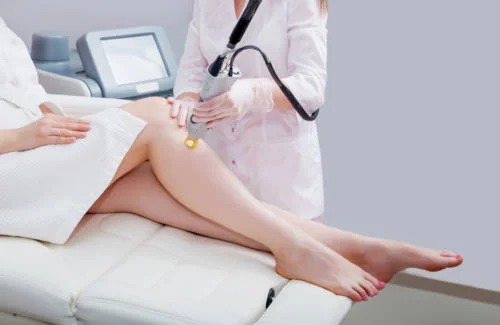
How Laser Technology May Help Reduce Acne Scars for Altamonte Springs Residents
- Eren Yeager
- Health
- 2026-03-01 00:32:54
- 2492K
Acne affects people of all ages, but for many, scars persist long after breakouts have cleared. These marks, ranging from shallow discolorations to deep pits, can significantly impact self-confidence. Fortunately, advances in laser technology have expanded options for those seeking to reduce acne scars and achieve smoother, even-toned skin. For patients researching laser treatment for acne scars Altamonte Springs, understanding how these technologies work is an important first step.
Understanding Acne Scars and Post-Acne Pigmentation
Not all acne marks are the same, and understanding the differences is important when considering treatment options. True acne scars involve changes to the skin's texture and structure. These may include atrophic scars, which are depressed or pitted scars such as ice pick, boxcar, or rolling scars, as well as hypertrophic scars, which are raised marks caused by excess collagen production during healing.
Post-inflammatory hyperpigmentation, on the other hand, refers to the dark spots or discoloration that remain after a pimple heals. While these marks can be distressing, they don’t involve textural changes to the skin and often fade over time, though the process can take months or even years without intervention. Because textural scars and pigmentation issues require different treatment approaches, a professional assessment is essential before pursuing any laser therapy.
How Laser Treatments Target Acne Scars
Laser treatments for acne scars work through various mechanisms depending on the type of laser used.
- Ablative lasers, such as CO2 and erbium lasers, remove the outer layers of damaged skin in a controlled manner. This process stimulates the body's natural wound healing response, encouraging collagen remodeling and the growth of new, smoother skin. Ablative treatments tend to produce more dramatic results but also involve longer recovery periods.
- Non-ablative lasers work beneath the skin's surface without removing tissue. These lasers heat the deeper layers of skin to stimulate collagen production and improve skin texture from within. While typically requiring more sessions to achieve visible results, non-ablative treatments generally involve less downtime.
- Fractional laser technology, which can be either ablative or non-ablative, treats only a fraction of the skin at a time, leaving surrounding tissue intact. This approach promotes faster healing while still delivering meaningful improvement in scar appearance over multiple sessions.
Laser Pigmentation Removal: Addressing Dark Marks
For patients seeking laser pigmentation removal Altamonte Springs, certain lasers are specifically designed to target excess melanin in the skin. Pico lasers and IPL devices are commonly used for this purpose, delivering energy that breaks apart pigment particles so the body can naturally eliminate them.
Treatment for pigmentation must be approached carefully, particularly for patients with darker skin tones. Certain lasers carry a higher risk of causing additional pigmentation changes in melanin-rich skin, making provider experience and proper device selection critical. A knowledgeable dermatologist can assess your skin type and recommend the safest, most effective approach for your specific concerns.
What to Expect: Treatment and Recovery
The experience of laser treatment for acne scars varies depending on the type of laser used. Sessions may last from 15 minutes to over an hour, depending on the treatment area and technology employed. Patients often describe sensations ranging from mild warmth to a snapping feeling, and topical numbing cream is frequently applied beforehand to minimize discomfort.
Recovery varies by treatment type. Non-ablative and fractional treatments typically involve a few days of redness and mild swelling, while ablative procedures may require a week or more of downtime as the skin heals. Strict sun protection is essential throughout the healing process and beyond. Most patients require multiple sessions to achieve their desired improvement, with full benefits often becoming apparent gradually over several months.
Is Laser Treatment Right for Your Acne Scars?
Candidacy depends on several factors, including the type and severity of your scars, your skin type and tone, whether you have active acne that needs to be controlled first, and your overall health. A consultation with a board-certified dermatologist or cosmetic surgeon is the most reliable way to determine whether laser therapy is appropriate for your situation.
Conclusion
Living with acne scars can be emotionally challenging, but modern laser technology offers promising options for improvement. The key to a successful outcome lies in working with an experienced, board-certified dermatologist who can accurately assess your concerns and recommend the most appropriate treatment approach.
2492 people like this


About Premium Author
This post has been authored and published by one of our premium contributors, who are experts in their fields. They bring high-quality, well-researched content that adds significant value to our platform.
Leave a Reply
Please login to post a comment.




0 Comments