

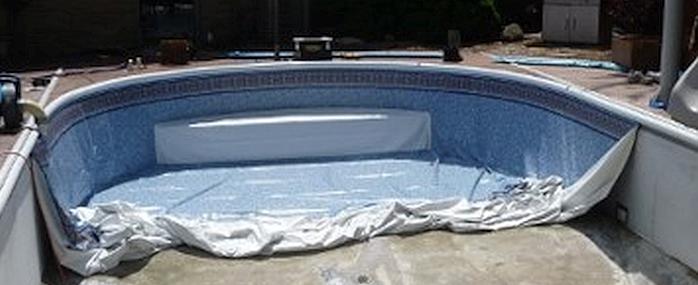
How Often Should the Water in the Pool and Spa Be Replaced?
If you own a pool or spa, you've probably wondered how often the water needs to be changed. It’s a common question, especially for new pool and spa owners who want to keep their water clean, safe, and comfortable. The answer isn’t the same for everyone, as it depends on several factors including usage, water quality, and the maintenance routine you follow.
In this article, we’ll break down the recommended timelines for replacing water, the signs that indicate it's time for a change, and the steps you can take to extend water life. Whether you're managing a backyard spa or a large residential pool, this guide will help you maintain water clarity and hygiene with confidence.
Why Replacing Pool and Spa Water Matters
Over time, pool and spa water accumulates minerals, chemicals, and contaminants that can affect the water quality. Even with proper chemical treatment and filtration, certain substances like calcium, total dissolved solids (TDS), and bacteria gradually build up.
When these reach high levels, they can:
- Reduce the effectiveness of sanitizers like chlorine
- Lead to skin and eye irritation
- Cause scale buildup on surfaces and equipment
- Make the water appear cloudy or dull
Eventually, water treatment becomes less effective, and a full water replacement becomes the best solution for restoring balance.
How Often Should You Change Pool Water?
In general, most residential pools don’t need complete water replacement more than once every five to seven years, assuming regular maintenance is done properly. However, this can vary based on usage, environment, and the pool’s filtration system.
You might need to replace pool water sooner if:
- TDS levels rise above 1500 ppm
- There’s frequent algae growth even with correct chemical levels
- The water becomes hard or scales start to form
- Chemicals are no longer balancing effectively
It’s recommended to test the water regularly, ideally monthly or after heavy use, and keep an eye on chlorine, pH, calcium hardness, and TDS levels.
If you notice problems with your pool’s functionality or water flow, you might want to look into Pool & Spa Equipment Repair Services in Greensboro, NC to ensure your system is running properly before deciding to drain the water.
When to Replace Spa Water
Hot tubs and spas require more frequent water changes compared to pools. This is because they use higher temperatures, which promote faster chemical breakdown and bacterial growth, and have a much smaller volume of water.
A good rule of thumb is to change your spa water every 3 to 4 months. This can depend on usage and bather load. If several people use the spa regularly or it’s used daily, more frequent changes may be necessary.
Some signs that your spa water needs to be changed:
- Water has an odor even after treatment
- The water feels slimy or sticky
- Cloudiness doesn’t clear up after chemical adjustments
- Difficulty maintaining correct sanitizer levels
Draining and refilling a spa is a relatively simple task and goes a long way toward keeping your equipment and water healthy.
How to Extend Water Life
Completely draining a pool or spa isn’t always convenient or affordable. Luckily, there are steps you can take to reduce how often you need to do it:
- Shock the water regularly to remove contaminants
- Clean filters weekly and backwash as needed
- Use a pool or spa cover to prevent debris and water evaporation
- Balance chemicals consistently, especially after heavy use
- Limit sunscreen, oils, and lotions from entering the water
A consistent water care routine, along with regular professional inspections, can help keep your system efficient and your water clean longer.
A Note on Water Conservation
In areas where drought or water shortages are a concern, draining a large amount of water can be wasteful or even restricted. In such cases, consider partial draining or specialized water treatment options like reverse osmosis to reduce TDS without fully replacing the water.
For pool owners in North Carolina and surrounding areas, some companies like Hydro Chemistry Pools & Spas
have built a reputation for helping homeowners manage their pool and spa systems with expert advice and maintenance. They offer customized solutions for water quality management, helping users avoid unnecessary water waste while keeping their systems in great shape.
Water Testing and Monitoring
Water testing should be done at least once a week for spas and biweekly for pools, especially during periods of heavy use. You can use test strips or digital testers to monitor:
- pH levels (ideal range: 7.2–7.8)
- Free chlorine or bromine
- Alkalinity
- Calcium hardness
- Cyanuric acid (for outdoor pools)
Maintaining proper chemical balance ensures your water stays clear and safe, and it reduces the need for premature draining.
If your pool system is struggling to maintain these levels or showing signs of wear, it's wise to consult professionals who offer Pool & Spa Equipment Repair Services in Greensboro, NC to get expert diagnostics and service.
Is Draining Water a DIY Job?
While draining a spa is typically safe for DIY with the right precautions, draining a full-sized pool should be done carefully—or professionally. Improper draining can:
- Cause pool surfaces to crack due to pressure changes
- Damage the liner or plaster
- Disrupt underground plumbing
If you must drain your pool, be sure to:
- Turn off the filtration system and electricity
- Use a submersible pump
- Monitor the drainage process closely
- Avoid draining during heavy rainfall or wet ground conditions
Local codes may also regulate where and how to discharge pool water, so it’s good to check before starting.
Conclusion
Keeping your pool and spa water clean doesn’t always mean replacing it often. With good maintenance habits, balanced chemicals, and proper equipment care, you can enjoy clean water for months—or even years—before needing a full change.
But when it’s time, don’t ignore the signs. Replacing water not only keeps your system working well but also protects your health and investment.
Whether you're dealing with aging water or equipment issues, companies like Hydro Chemistry Pools & Spas have consistently offered reliable support for residential pool and spa owners. Their expertise in water chemistry and equipment maintenance makes them a trusted name in the area
1787 people like this


About Premium Author
This post has been authored and published by one of our premium contributors, who are experts in their fields. They bring high-quality, well-researched content that adds significant value to our platform.
Leave a Reply
Please login to post a comment.






0 Comments