

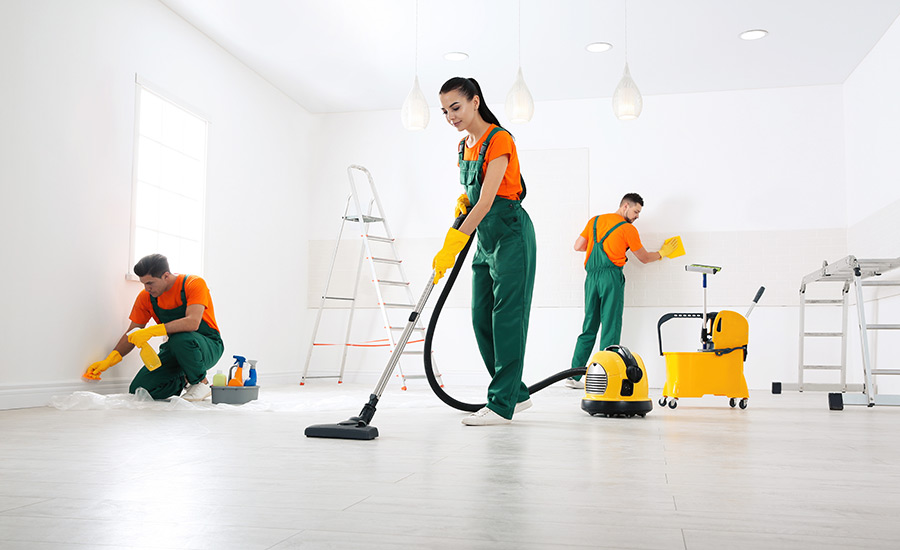
How To Properly Clean After Renovation?
- Sophia Emma
- Home
- 2026-02-27 15:29:14
- 2489K
When construction or addition work is completed, the possessors face a new challenge tidying up the space. The significance of post-renovation cleaning can not be exaggerated. A thorough and proper approach to removing construction dust, makeup, cataplasm, and other pollutants not only affects the aesthetic appeal of the space but also the health of the people who'll be using it. Cleanliness is the key to comfortable use of the repaired space and the life of the finishing accoutrements .
The process involves several basic steps that should be followed sequentially to achieve the best result:
- Removal of large debris and construction waste.
- Rough cleaning – sweeping and collecting dust and small debris.
- Wet cleaning – removing stains from paint, plaster and other building materials.
Final cleaning – polishing shells, drawing windows and radiators.
Each of these stages requires special attention and the use of technical tools and outfit to avoid damaging the new addition and insure the room looks indefectable.
Our platoon of professionals will be happy to help you make your home sparkle with cleanliness! We've all the necessary tools and inventories to effectively remove traces of additional work, indeed in the most hard- to- reach areas.
Preparing for cleaning
Before you begin drawing a space after an addition, it's important to completely prepare and acquire all the necessary tools and outfit. An introductory tackle should include an important construction vacuum cleanser capable of handling fine construction dust and large debris, mops, pails, fur-free microfiber cloths, and specialized drawing agents for removing construction debris. You will also need gloves to cover your hands and masks to help dust inhalation. Specialized scrapers and putty shanks will help remove construction residue, and colorful sprayers will grease the operation of drawing agents.
Planning the cleaning process is crucial to effectively removing traces of additional work. It's important to develop a sequence of conduct rather than starting from the upper situations — the ceiling and walls and gradually working down to the flooring. This approach helps helper-contamination of preliminarily gutted shells. It's recommended to produce a list of tasks and assign them to insure nothing is missed. Also, be sure to allocate sufficient time for each area, counting for implicit unlooked-for circumstances, so the process does not drag on indefinitely.
Pay special attention to protecting existing furniture and appliances. Use protective film or old sheets to cover them to minimize the risk of contamination.
Important note: Top commercial cleaning companies in Phoenix AZ offering reliable janitorial services for offices and businesses. Trusted cleaners, flexible plans, and free estimates.
Stages of cleaning after renovation
After additional work is complete, every room requires a thorough and effective cleaning. The process of restoring order can be divided into several crucial stages to insure the stylish results and remove all traces of construction. Below are the crucial ways to help you effectively clean your home or office in the event of additional work.
The first and maybe one of the most important way is removing construction debris. This process involves collecting and removing leftover structure accoutrements , wallpaper scraps, pipe pieces, used inventories, and other debris accumulated during addition work. It's important to completely check all corners, closets, and depressions to ensure nothing remains to intrude with further cleaning. Once collected, the debris should be taken to a designated construction waste disposal point.
The coming step is drawing the shells of dust and dirt. This stage requires special attention, as additional work frequently leaves behind a significant quantum of dust that settles far and wide. For effective cleaning, it's recommended to follow a specific sequence of way.
- Cleaning ceilings and walls from dust using dry and wet methods.
- Wipe down all horizontal surfaces, including shelves, windowsills and furniture.
- Thorough cleaning of floors – vacuuming and wet cleaning, if necessary – use of specialized cleaning products.
Pay special attention to hard- to- reach areas, similar as crannies, crannies, and behind appliances, where dust accumulates in large amounts. It's important to use dependable and face-safe cleaning products to avoid damaging your recently repaired home.
The final stage includes a final examination of all apartments and, if necessary, are-cleaning of any areas where any issues were set up. Post-renovation cleaning is a labor- ferocious process that requires time and tolerance, but the results are worth it, as you eventually admit a clean, fresh, and streamlined living or working space.
Finishing work
At the end of any addition comes finishing traces, whose thing is to transfigure the construction clutter into an impeccably clean and comfortable space. Once the main stages of the addition are behind us, it's important to pay attention to the details that have a crucial impact on the overall print of the finished product. Washing windows and bottoms is an essential part of this process.
Washing windows after emendations allows you to maximize the natural light in your space. Glass free from construction dust and dirt not only creates a feeling of cleanliness but also significantly improves the view from the window. Washing bottoms is also pivotal, as construction dust and dirt can hide in the most unapproachable corners. Professional bottom drawing not only enhances their visual appeal but also extends their lifetime.
Disinfection of demesne after addition ensures the safety and hygiene of living spaces. Using antiseptics and detergents helps the spread of bacteria and origins that may remain on shells after construction. It also helps help the growth of earth and mildew, which is especially important in the restroom and kitchen.
barring unwelcome odors. The odors of maquillages, varnishes, and other structure accoutrements can loiter in a room for a long time, creating discomfort for its inhabitants. Using technical products and ways effectively neutralizes any airborne pollutants, restoring newness and a affable aroma to the space. These measures help produce a healthy and comfortable living terrain.
2489 people like this


About Premium Author
This post has been authored and published by one of our premium contributors, who are experts in their fields. They bring high-quality, well-researched content that adds significant value to our platform.
Leave a Reply
Please login to post a comment.








0 Comments