

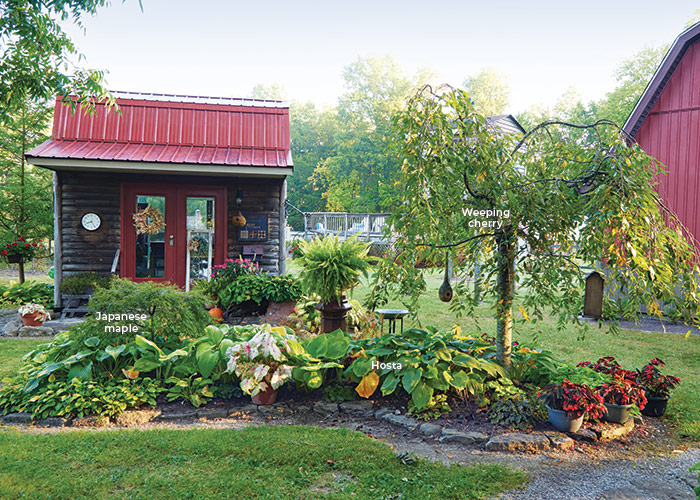
Garden Greenhouses for Sale | Large Outdoor Greenhouse' Supplies
- Robin Anthany
- Business
- 2025-12-06 15:29:58
- 2303K
Growing plants in a large greenhouse allows gardeners to extend the season, control temperature, and protect crops from pests. But managing humidity, irrigation, and environmental conditions can be challenging, especially for new gardeners. Using a hybrid garden hose and careful planning makes watering easier, more efficient, and helps maintain a stable environment for healthy plants.
Understanding Greenhouse Humidity
Humidity affects plant growth, disease resistance, and water use. In a large greenhouse, air can become very moist, especially in warm weather or after watering. High humidity encourages mold and mildew, while low humidity can stress plants and reduce growth.
Proper ventilation and air circulation help balance humidity. Fans, vents, and open doors move air evenly throughout the greenhouse. Monitoring humidity levels daily ensures plants receive optimal moisture without overwatering.
Efficient Irrigation with Hybrid Garden Hoses
Watering in a large greenhouse requires flexibility and control. A hybrid garden hose combines lightweight flexibility with durable materials, making it easy to reach every corner. It bends easily around plants, trellises, and benches without kinking or breaking, and without damaged your plants.
Hybrid hoses also resist wear from repeated use and contact with greenhouse structures. They provide steady water flow, which is important for even irrigation. Slow, controlled watering reduces runoff and ensures water reaches plant roots efficiently.
Setting Up Irrigation Systems
Irrigation systems in large greenhouses often combine hoses with drip lines, sprinklers, or hand watering. Using a hybrid garden hose allows you to connect to multiple outlets or move between rows without the hose catching on bushes or dragging over ground cover.
Drip irrigation delivers water directly to the root zone, reducing water waste and keeping foliage dry. Keeping foliage dry prevents fungal diseases and reduces humidity spikes. A hybrid hose is ideal for connecting drip lines or watering individual plants manually when needed.
Managing Environmental Control
Temperature, light, and humidity all interact in a large greenhouse. Shade cloths, heat mats, and fans help maintain consistent conditions. Watering schedules must match environmental needs. For example, during hot periods, watering early in the day reduces evaporation and maintains soil moisture. During cooler periods, watering when the sun is a bit higher, can prevent your plants from getting too cool or frosted.
A hybrid garden hose allows for precise placement and timing. You can water heavily in one section and lightly in another, adapting to plant types and environmental conditions. This flexibility improves growth while preventing overwatering or waterlogging.
Benefits of Controlled Watering
Consistent irrigation supports root development and plant health. Water stress or uneven moisture can stunt growth and reduce yields. Using a hybrid garden hose in a structured irrigation routine ensures water reaches all plants evenly, even in hard-to-reach areas.
Controlled watering also reduces energy use. Less evaporation means fans and heaters maintain the environment more efficiently. Plants use water effectively, which lowers waste and helps maintain healthy soil structure in raised beds or containers. This will also save you on the cost of watering your greenhouse plants.
A Practical Example
Imagine a commercial grower with a large greenhouse filled with tomatoes, peppers, and herbs. Using a hybrid garden hose, they move quickly along rows without kinking or bending the hose around trellises. Drip lines run to each bed, delivering water directly to roots. Fans circulate air, maintaining humidity levels below 70%.
During a heat wave, the grower adjusts irrigation to keep soil moist but avoids wetting foliage. The hybrid hose allows quick, targeted watering for any sections that need extra attention. The greenhouse environment remains stable, plants grow uniformly, and water usage is efficient.
Maintenance Tips for Hybrid Hoses
Inspect hoses regularly for leaks or wear.
Avoid dragging the hose over sharp edges.
Store hoses off the ground to prevent kinks and damage.
Flush hoses occasionally to remove debris.
Match hose diameter to irrigation needs for proper water flow.
Conclusion
Managing a large greenhouse requires attention to humidity, irrigation, and environmental control. A hybrid garden hose makes watering flexible, efficient, and safe for plants. Careful water management supports strong roots, healthy foliage, and consistent growth. By combining proper irrigation tools with environmental monitoring, gardeners can maximize productivity and maintain stable conditions year-round.
2303 people like this


About Premium Author
This post has been authored and published by one of our premium contributors, who are experts in their fields. They bring high-quality, well-researched content that adds significant value to our platform.
Leave a Reply
Please login to post a comment.







0 Comments