

Safety Standards and Compliance for Contactors and Moulded Case Circuit Breaker
- Sonia Gupta
- Business
- 2026-02-28 16:32:16
- 2491K
Electrical systems in residential, commercial, and industrial environments must meet strict safety and compliance requirements to ensure reliable operation and protection against hazards. Among the critical components that contribute to electrical safety are contactors and the moulded case circuit breaker. These devices play essential roles in controlling electrical loads and protecting circuits from faults. Adhering to recognized safety standards during selection, installation, and maintenance is vital for ensuring system integrity and regulatory compliance.
Understanding Contactors and Their Safety Role
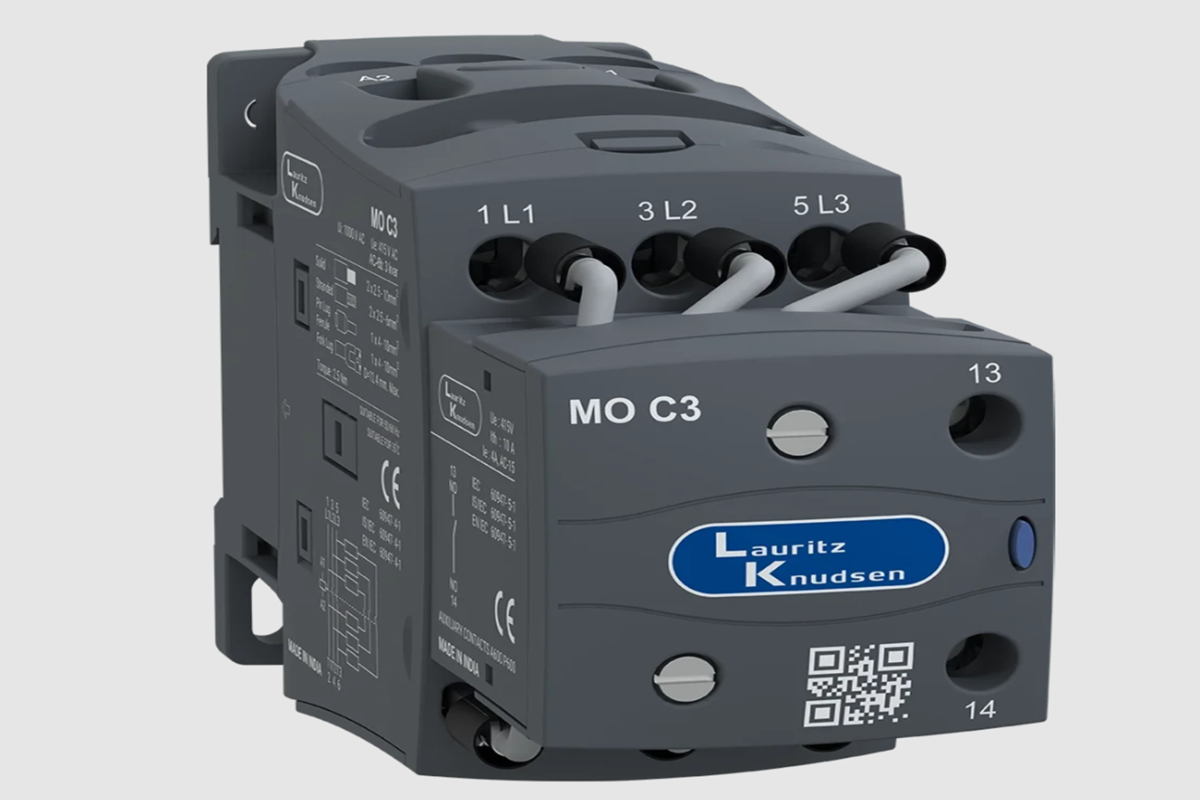
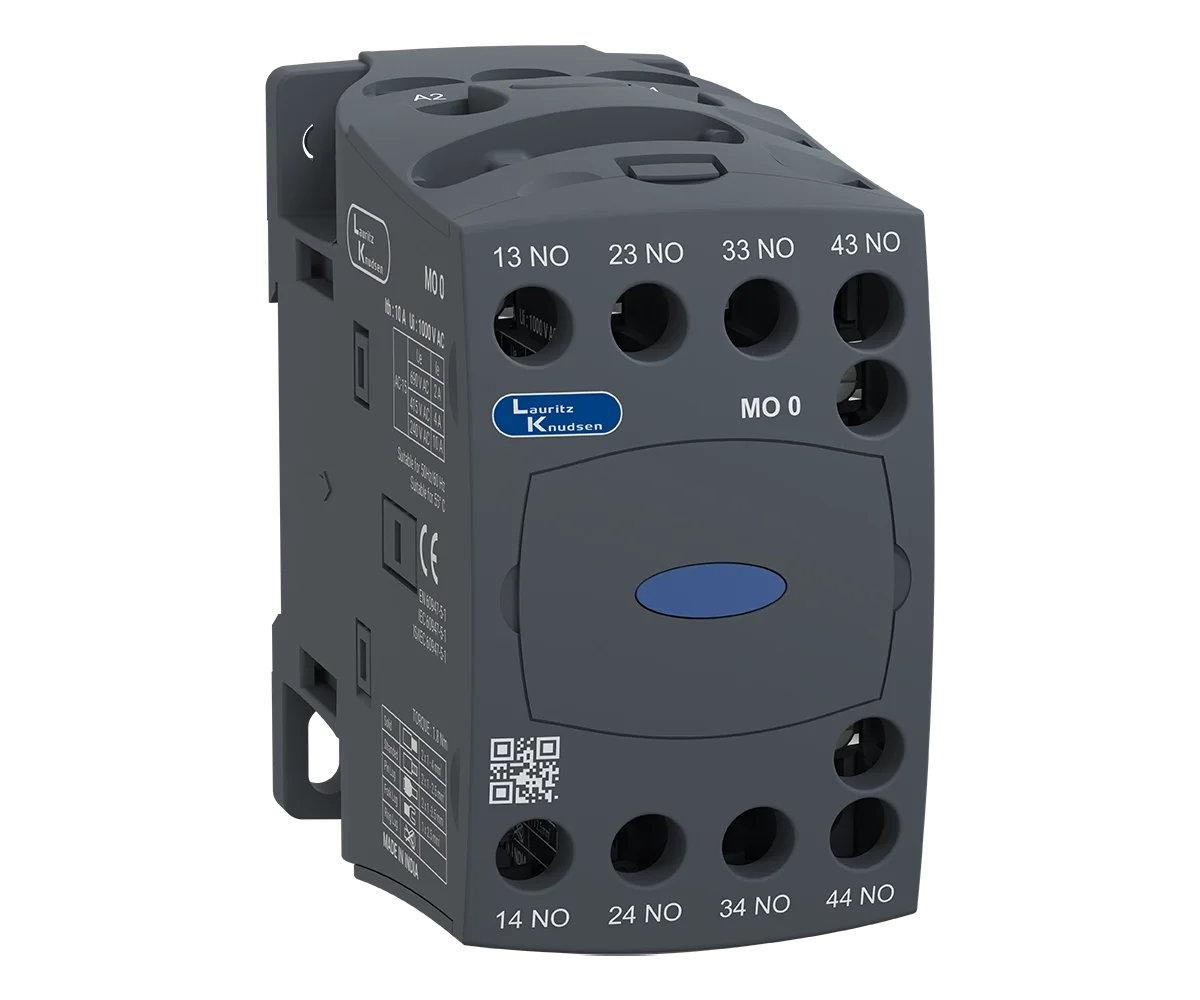
Contactors are electrically controlled switching devices used to manage high-power loads. They are commonly employed to control motors, lighting systems, heating equipment, and industrial machinery. Unlike manual switches, contactors operate automatically through control circuits, allowing remote and automated control of electrical systems.
From a safety perspective, contactors are designed to:
- Handle frequent switching operations
- Withstand high inrush currents
- Isolate power during maintenance
- Operate reliably under heavy load conditions
Because they control high-current applications, compliance with safety standards ensures that contactors function efficiently without posing risks such as overheating, arcing, or electrical failure.
Understanding the Moulded Case Circuit Breaker
A moulded case circuit breaker (MCCB) is a protective device designed to interrupt excessive current flow caused by overloads or short circuits. It features a robust insulated housing that encloses the internal components, offering both mechanical strength and electrical insulation.
The moulded case circuit breaker provides:
- Adjustable overload protection
- Short circuit interruption capability
- High breaking capacity
- Resettable tripping mechanism
MCCBs are widely used in industrial and commercial distribution panels where higher current ratings are required compared to miniature circuit breakers.
International Safety Standards and Compliance
Ensuring safety begins with compliance with international and national standards. Both contactors and moulded case circuit breaker devices must meet performance and testing requirements established by regulatory bodies.
IEC Standards
The International Electrotechnical Commission (IEC) sets globally recognized standards for low-voltage switchgear and control gear. Relevant IEC standards define:
- Rated operational voltage and current
- Breaking capacity and endurance
- Insulation performance
- Temperature rise limits
- Mechanical and electrical durability
Compliance with IEC standards guarantees that devices are tested under specified conditions to ensure safe and consistent performance.
IS and Other Regional Standards
In addition to IEC, many countries enforce their own safety standards, such as IS (Indian Standards) or other regional codes. Manufacturers must ensure that their contactors and moulded case circuit breaker products conform to local regulatory frameworks.
Certification marks and testing approvals assure that the equipment meets required safety benchmarks.
Safety Features in Contactors
Modern contactors incorporate multiple design elements that enhance safety and reliability:
Arc Suppression
Switching high currents generates electrical arcs. Contactors are designed with arc chutes or arc suppression systems to safely extinguish arcs, preventing damage and fire risks.
Thermal Resistance
Materials used in contactors are heat-resistant to withstand frequent operations and high load currents.
Mechanical Durability
Since contactors are often used in repetitive operations, they must maintain mechanical integrity over thousands of switching cycles.
Interlocking Mechanisms
Electrical and mechanical interlocks prevent unintended simultaneous operations, enhancing operational safety.
Compliance with safety standards ensures these features function effectively under various operating conditions.

Safety Features in Moulded Case Circuit Breaker
The moulded case circuit breaker integrates advanced protective mechanisms to ensure circuit safety:
Adjustable Trip Settings
MCCBs allow customization of overload and short circuit trip settings to match application requirements, reducing nuisance tripping while maintaining protection.
High Breaking Capacity
Industrial environments may experience high fault currents. MCCBs are designed to interrupt these currents safely without damaging the system.
Insulated Housing
The moulded casing provides enhanced insulation, reducing the risk of accidental contact and environmental contamination.
Fault Indication
Many modern MCCBs include visual indicators or communication modules to signal fault conditions, supporting quick troubleshooting.
Installation Compliance and Best Practices
Even the most advanced contactors and moulded case circuit breaker devices must be properly installed to maintain compliance.
Key installation practices include:
- Correct sizing based on load requirements
- Proper cable termination and tightening torque
- Adequate ventilation within panels
- Compliance with earthing and grounding standards
- Ensuring coordination between protective devices
Improper installation can compromise safety and void compliance certifications.
Maintenance and Periodic Inspection
Safety compliance extends beyond initial installation. Regular maintenance ensures ongoing reliability.
For contactors, inspections should focus on:
- Contact wear and tear
- Coil condition
- Tightness of connections
- Signs of overheating
For a moulded case circuit breaker, routine checks should include:
- Functional trip testing
- Visual inspection for physical damage
- Verification of calibration settings
Scheduled maintenance not only preserves safety but also extends equipment lifespan.
Importance of Device Coordination
In electrical panels, contactors and moulded case circuit breaker devices often work together. Proper coordination ensures that protective devices isolate faults without affecting upstream systems.
Selective coordination prevents unnecessary shutdowns and enhances operational continuity while maintaining safety standards.
Conclusion
Safety and compliance are fundamental in modern electrical systems. Contactors provide reliable control of high-power loads, while the moulded case circuit breaker delivers robust protection against overloads and short circuits. Together, these devices form a critical layer of electrical safety in residential, commercial, and industrial installations.
Adhering to recognized safety standards, ensuring correct installation, and performing regular maintenance are essential for maximizing reliability and minimizing risk. For organizations seeking dependable and compliant electrical protection solutions, Lauritz Knudsen offers high-quality contactors and moulded case circuit breaker products designed to meet rigorous safety standards while delivering long-term performance and operational excellence.
2491 people like this



About Premium Author
This post has been authored and published by one of our premium contributors, who are experts in their fields. They bring high-quality, well-researched content that adds significant value to our platform.
Leave a Reply
Please login to post a comment.






0 Comments