

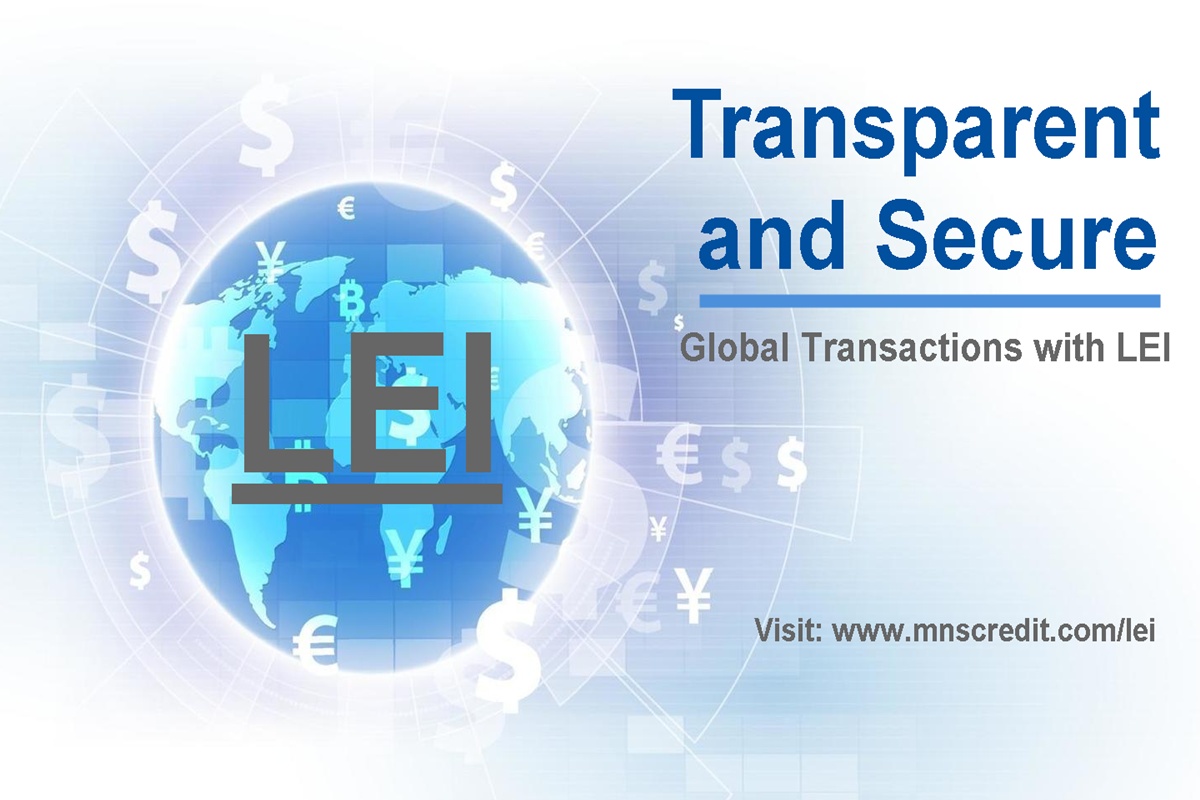
LEI Code for Business Compliance: Secure & Transparent Global Finance
- Anushree Sharma
- Business
- 2025-08-12
- 1914K
In today’s interconnected economy, where cross-border transactions are the norm rather than the exception, trust and transparency have become the cornerstones of sustainable business. Financial markets operate on a vast scale, moving trillions of dollars daily, and every participant — from multinational banks to small import-export companies — plays a role in maintaining market integrity. Among the many tools developed to safeguard global transactions, the Legal Entity Identifier (LEI) code stands out as one of the most significant innovations in modern business compliance.
This article explores the role of the LEI code in promoting secure, risk-free business transactions, the evolving landscape of global finance, and how multi-year LEI renewal options are making compliance easier for businesses.
Understanding the LEI Code
The LEI code is a unique 20-character alphanumeric identifier assigned to legal entities engaged in financial transactions. Introduced in the wake of the 2008 financial crisis, it was designed to bring greater transparency to financial markets by providing a standardized way to identify parties involved in global trade and investment.
An LEI code contains basic reference information about an entity, including:
- Name of the legal entity
- Registered address
- Country of registration
- Ownership structure
This information is stored in a global, publicly accessible database managed by the Global Legal Entity Identifier Foundation (GLEIF). The purpose is simple yet profound: ensure that every legal entity participating in financial transactions can be clearly identified anywhere in the world.
Why the LEI Code Matters for Business Compliance
- 1. Enhancing Transparency
Financial regulators and market participants use the LEI code to see exactly who they are dealing with. This transparency prevents fraud, reduces the risk of counterparty default, and improves the accuracy of regulatory reporting.
- 2. Meeting Regulatory Requirements
In many jurisdictions, an LEI code is mandatory for specific activities, such as:
Participating in securities trading
Engaging in derivatives transactions
Filing certain regulatory reports
For example, the European Union’s Markets in Financial Instruments Directive II (MiFID II) requires investment firms to obtain LEIs from their clients before executing transactions on their behalf.
- 3. Supporting Global Standardization
The LEI system operates under ISO 17442, ensuring consistency across borders. Whether a business is based in New York, London, or Singapore, its LEI code will follow the same structure and carry the same meaning.
Global Finance and the Push Toward Secure Transactions
The last two decades have seen rapid advancements in digital finance — from instant cross-border payments to blockchain-based trade finance systems. However, with innovation comes complexity and risk. The rise of cybercrime, money laundering, and fraudulent corporate structures has prompted regulators to tighten compliance frameworks.
How the LEI Code Fits In
The LEI code is a critical building block for the future of secure, transparent global finance because it:
- Links transactions to verified entities — making it harder for shell companies to hide ownership.
- Supports digital identity systems — enabling seamless integration with blockchain and fintech platforms.
- Improves systemic risk monitoring — giving regulators better insight into market exposure and interconnected risks.
For example, if a regulatory body wants to analyze the exposure of financial institutions to a failing corporate group, LEIs can quickly reveal the links between subsidiaries and parent companies across borders.
The Role of LEI in Risk-Free Business Transactions
While no financial system can be entirely risk-free, the LEI framework significantly reduces avoidable risks:
- Prevention of Fraud: Since LEI data is verified and updated regularly, it is far more reliable than unverified company directories.
- Facilitation of Due Diligence: Investors and lenders can instantly check a company’s legal standing before entering into agreements.
- Streamlined Compliance Checks: Automation tools can use LEI codes to perform sanctions screening, regulatory reporting, and KYC (Know Your Customer) processes more efficiently.
In this way, the LEI serves as a universal "trust stamp" for businesses, signaling that they are committed to transparency and compliance.
LEI Renewal: The Key to Ongoing Compliance
One crucial aspect of the LEI system is that LEI codes are not permanent unless maintained. Each LEI must be renewed annually to confirm that the entity’s information is still accurate. Failure to renew results in the LEI becoming “lapsed” — meaning it no longer reflects up-to-date information and may cause regulatory or transactional delays.
The Rise of Multi-Year LEI Renewal
To make the process easier for businesses, many LEI issuing organizations now offer multi-year LEI renewal options. These allow companies to secure their compliance for multiple years in advance — often at a discounted rate — while ensuring their LEI remains active without the need for annual reminders.
Benefits of Multi-Year Renewal
- Reduced Administrative Burden
No need to track renewal dates yearly — the provider updates the LEI automatically. - Cost Savings
Many providers offer lower per-year rates for multi-year plans. - Continuous Compliance
Eliminates the risk of an LEI becoming lapsed due to oversight. - Focus on Core Business
Frees up compliance teams to focus on strategic activities instead of paperwork.
For companies engaged in continuous global trading or investment activities, multi-year LEI renewal is a smart strategic move.
Case Study: LEI in Action
Consider a multinational manufacturer sourcing raw materials from suppliers in five different countries and selling products in over twenty. This company’s transactions involve multiple banks, shipping providers, insurers, and regulators. By maintaining an active LEI code:
- The company’s identity is instantly verifiable by all counterparties.
- Its transactions meet international reporting requirements without delays.
- Risk assessments by financial institutions are faster, reducing approval times for trade finance.
- If this company opts for a 5-year LEI renewal plan, it avoids the risk of losing contract opportunities due to an expired LEI — a common problem in high-paced industries.
The Future of LEI in Global Finance
Looking ahead, the LEI code is expected to become even more central to the functioning of global markets. Possible developments include:
- Integration with eIDAS and digital identity frameworks for secure online authentication.
- Mandatory LEIs for all cross-border payment participants, not just those in securities trading.
- Expanded use in ESG (Environmental, Social, and Governance) reporting, ensuring transparency in supply chains.
As technology evolves, the LEI could form the backbone of a truly interconnected, transparent, and low-risk financial ecosystem.
Conclusion
The LEI code is far more than a regulatory requirement — it is a powerful tool for building trust in an increasingly complex and globalized economy. By enabling clear, consistent identification of market participants, it strengthens business compliance, reduces fraud risk, and supports the development of a secure financial environment.
With global finance moving toward more integrated and transparent systems, maintaining an active LEI is no longer optional for many businesses — it is a necessity. And with the convenience of multi-year LEI renewal, organizations can lock in compliance for the long term, freeing up time and resources to focus on growth.
In the era of digital transformation and global connectivity, the LEI code is more than just a number — it’s a passport to safer, smarter, and more trustworthy business transactions worldwide.
1914 people like this


About Premium Author
This post has been authored and published by one of our premium contributors, who are experts in their fields. They bring high-quality, well-researched content that adds significant value to our platform.
Leave a Reply
Please login to post a comment.






0 Comments