

Structured Notes Explained for Beginners (Easy Guide)
- Trendz hub
- Finance
- 2026-03-23 19:34:50
- 2613K
Structured notes may sound complicated at first, but once you break them down, they become much easier to understand. If you’re new to investing or exploring alternative investment options, this guide will help you grasp the basics without confusion.
What Are Structured Notes?
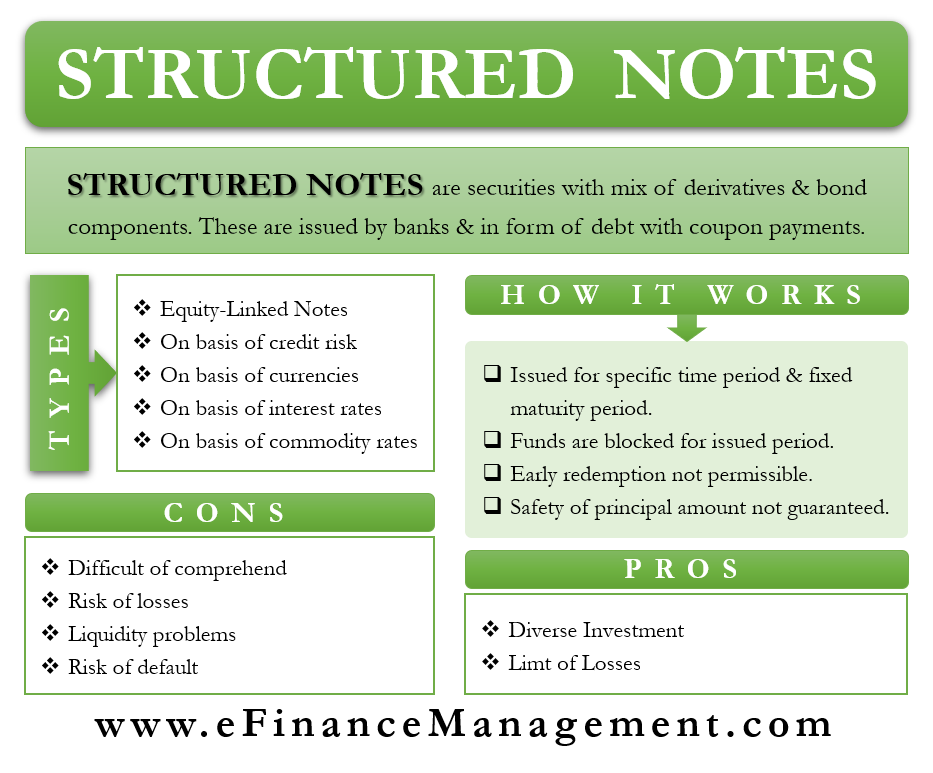
Structured notes are financial products issued by banks or financial institutions that combine:
- A bond component (for capital protection or fixed return)
- A derivative component (linked to market performance)
In simple terms, they are custom investments tied to assets like:
- Stocks
- Market indices
- Interest rates
- Commodities
How Structured Notes Work
When you invest in a structured note:
- A portion of your money goes into a low-risk bond
- The remaining is used in derivatives to generate returns based on market performance
Example:
If a structured note is linked to the S&P 500:
- You may earn returns if the index rises
- Some notes protect your principal if the market falls
Key Features of Structured Notes
1. Capital Protection (in some cases)
Certain structured notes offer partial or full protection of your initial investment.
2. Custom Returns
Returns depend on the performance of the underlying asset.
3. Fixed Maturity Date
Most structured notes have a defined investment period (e.g., 2–5 years).
4. Issuer Risk
Returns depend on the financial stability of the issuing institution.
Types of Structured Notes
1. Principal-Protected Notes
- Lower risk
- Guaranteed return of initial investment (at maturity)
2. Yield Enhancement Notes
- Higher returns
- Increased risk exposure
3. Market-Linked Notes
- Returns tied to stock market performance
Benefits of Structured Notes
- Diversification beyond traditional investments
- Potential for higher returns
- Flexibility in risk and return structure
- Access to complex strategies in a simplified way
Risks You Should Know
Before investing, understand the risks:
- Credit Risk: If the issuer defaults, you may lose money
- Liquidity Risk: Hard to sell before maturity
- Market Risk: Returns depend on market performance
- Complexity: Terms can be difficult for beginners
Who Should Invest in Structured Notes?
Structured notes may be suitable for:
- Investors looking for customized investment strategies
- People willing to hold investments until maturity
- Those seeking moderate risk with potential upside
They may NOT be ideal for:
- Beginners who want simple investments
- Investors needing quick liquidity
Simple Example for Better Understanding
Imagine you invest $1,000 in a 3-year structured note:
- If the market goes up → you earn a percentage of gains
- If the market drops → you may still get your $1,000 back (depending on structure)
Final Thoughts
Structured notes can be a useful addition to your investment portfolio if you understand how they work. They offer flexibility, potential returns, and sometimes protection—but they also come with risks that shouldn’t be ignored.
If you're just starting out, take time to learn the basics and evaluate whether structured notes align with your financial goals.
2613 people like this



About Premium Author
This post has been authored and published by one of our premium contributors, who are experts in their fields. They bring high-quality, well-researched content that adds significant value to our platform.
Leave a Reply
Please login to post a comment.








0 Comments