

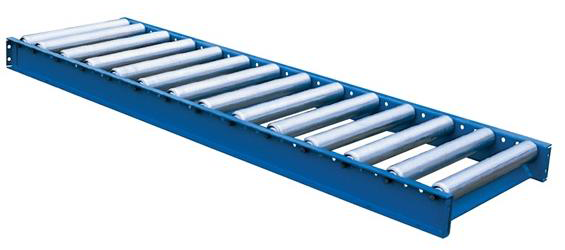
Expandable Skatewheel Conveyor | 18" Wide | 3'-12' Long
- Robin Anthany
- Technology
- 2026-03-04 14:40:54
- 2499K
Not every operation runs the same way all year. Some businesses handle steady, predictable volume. Others deal with seasonal spikes, changing product lines, or shifting floor layouts. The type of conveyor that works best depends on how consistent the workflow is.
Permanent conveyor systems offer durability and speed for fixed processes. Temporary or adjustable setups offer flexibility for operations that change. Choosing the wrong type leads to wasted money or constant headaches.
This article breaks down when each option makes sense.
When Permanent Setups Work Best
Permanent conveyors are bolted to the floor, mounted on fixed supports, and wired into the building's electrical system. They do not move once installed.
This setup works best when the workflow stays the same day after day. Manufacturing lines that produce the same product for years benefit from permanent systems. So do distribution centers with fixed picking paths and shipping lanes.
Permanent roller conveyors are common in these environments. The rollers can be powered or gravity-fed depending on the application. Once installed, they handle high volume with minimal maintenance. Workers learn the layout and move efficiently because nothing changes.
The downside is that permanent systems are hard to modify. Moving a conveyor line means unbolting supports, disconnecting power, and reinstalling everything in a new location. This takes time and money. If the business changes direction, the conveyor may no longer fit.
When Temporary or Adjustable Setups Make Sense
Some operations cannot commit to a fixed layout. E-commerce warehouses that add new product categories every few months may need to rearrange picking zones. Contract packagers serving different clients may change their floor setup between projects.
A flexible conveyor solves this problem. These systems expand, contract, and bend to fit different spaces. Most are mounted on casters so they can roll from one location to another. Setup takes minutes instead of days.
Seasonal businesses also benefit from temporary conveyors. A company that ships gift baskets during the holidays may need extra conveyor capacity for three months and then nothing for the rest of the year. Installing a permanent system for 90 days of use does not make financial sense. A portable setup that stores in a corner during the off-season does.
Comparing Durability and Maintenance
Permanent conveyors are built to last. The frames are heavier. The rollers are rated for continuous use. Electrical components are protected and integrated into the building's systems.
Temporary systems trade some durability for portability. Lighter frames make them easier to move but also more prone to wear. Wheels and casters require inspection. Connections between sections can loosen over time.
This does not mean temporary conveyors are fragile. Many flexible conveyor systems handle daily use for years. But they do require more attention than fixed installations. Operations that plan to use a temporary system full-time should budget for regular maintenance checks.
Mixing Both Types in One Facility
Some facilities use permanent conveyors for the core workflow and add temporary lines for overflow or special projects.
A distribution center might have a fixed main line running from receiving to shipping. During peak season, a flexible conveyor extends from the main line to a temporary packing station. When volume drops, the extension rolls back into storage.
This hybrid approach keeps the backbone of the operation stable while allowing adjustments at the edges. It also lets the business test new layouts without committing to permanent changes.
Cost Considerations
Permanent conveyors cost more upfront. Installation includes anchoring, wiring, and sometimes cutting into the building floor. These costs pay off over time if the system runs for years without changes.
Temporary systems cost less to buy and install. However, if they run constantly and wear out quickly, replacement costs add up. They also may not handle the same weight or speed as permanent equipment.
The right choice depends on how long the system will stay in place and how hard it will work. A roller conveyor running 10 hours a day needs to be permanent. A conveyor used for two months a year can be portable.
Conclusion
Choosing between temporary and permanent conveyor setups comes down to workflow stability. Fixed processes benefit from permanent systems. Changing layouts and seasonal demands call for portable options. Many operations find that a combination of both gives them the durability they need with the flexibility to adapt when conditions change.
2499 people like this



About Premium Author
This post has been authored and published by one of our premium contributors, who are experts in their fields. They bring high-quality, well-researched content that adds significant value to our platform.
Leave a Reply
Please login to post a comment.




0 Comments