

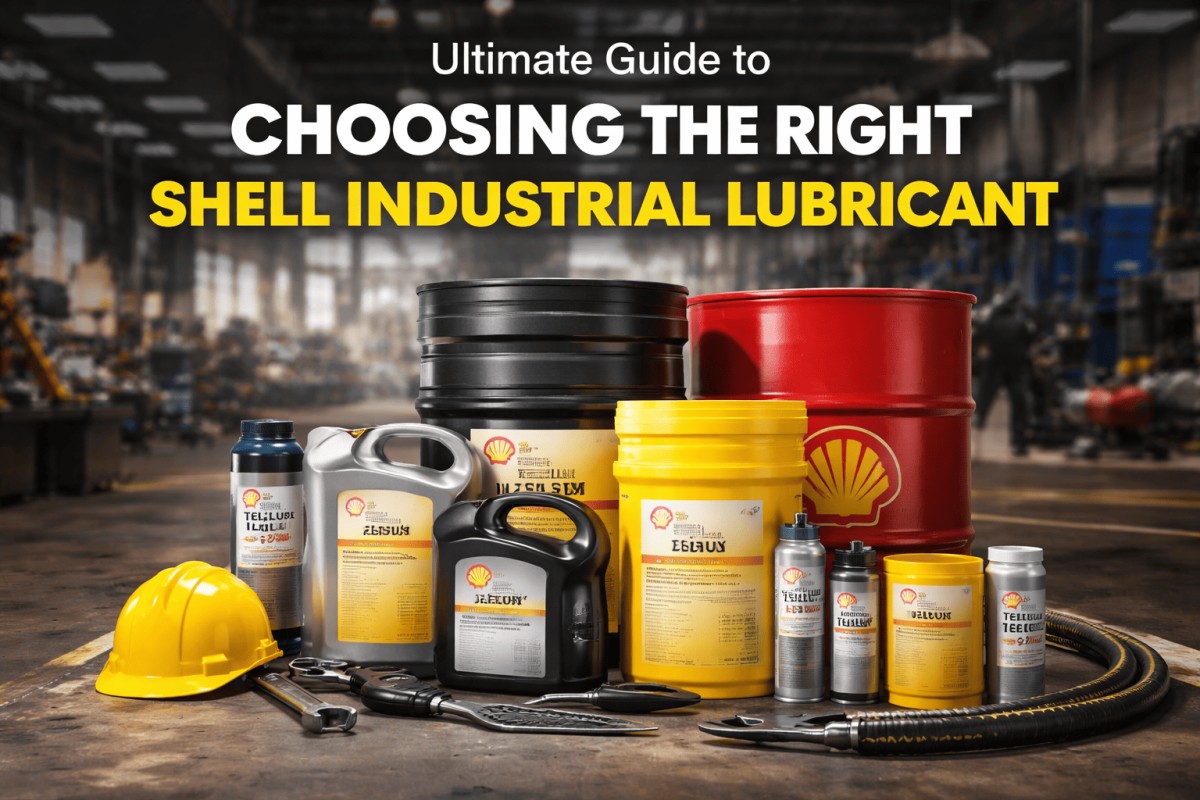
Ultimate Guide to Choosing the Right Shell Industrial Lubricants in UAE
- hekaha1 vdb
- Business
- 2026-03-17 14:46:19
- 2566K
Selecting the right shell industrial lubricants is more than just a maintenance decision—it’s a strategic move that directly impacts equipment performance, operational efficiency, and long-term cost savings. In fast-paced industrial sectors across the UAE, where extreme temperatures and demanding workloads are common, the right lubricant can significantly reduce downtime and extend machinery life.
This guide will help you understand how to choose the ideal Shell industrial lubricant for your needs, ensuring optimal performance and reliability in your operations.
Why Choosing the Right Industrial Lubricant Matters
Industrial lubricants play a critical role in reducing friction, minimizing wear, and protecting machinery from corrosion. According to industry reports, proper lubrication can reduce maintenance costs by up to 30% and extend equipment lifespan by 20–40%.
For UAE-based industries such as construction, manufacturing, and oil & gas, where equipment operates under harsh conditions, using high-quality lubricants is essential to maintain productivity and avoid costly breakdowns.
Understanding Shell Industrial Lubricants
Shell offers a comprehensive range of industrial lubricants designed for various applications, including
- Hydraulic oils – For smooth power transmission
- Gear oils – For high-load protection
- Compressor oils – For efficient air compression systems
- Turbine oils – For power generation equipment
These products are engineered with advanced additive technology to deliver superior performance even in extreme environments.
Key Factors to Consider When Choosing Shell Industrial Lubricants
1. Equipment Type and Application
Different machines require different lubrication properties. For example:
- Heavy-duty gear systems need high-viscosity gear oils
- Precision hydraulic systems require stable, clean hydraulic fluids
Always refer to the manufacturer’s recommendations to ensure compatibility.
2. Operating Conditions in the UAE
The UAE’s climate—characterized by high temperatures and dust—can accelerate lubricant degradation. Choosing lubricants with:
- High thermal stability
- Oxidation resistance
- Dust and contamination protection
is essential for maintaining performance in such conditions.
3. Viscosity Requirements
Viscosity determines how well a lubricant flows at different temperatures. Using the wrong viscosity can lead to:
- Increased wear
- Reduced efficiency
- Higher energy consumption
Shell lubricants come in a wide range of viscosity grades to suit various industrial needs.
4. Performance Standards and Certifications
Look for lubricants that meet international standards such as:
- ISO
- DIN
- ASTM
Shell products are known for complying with global quality standards, ensuring reliability and consistency.
5. Cost vs. Long-Term Value
While premium lubricants may seem expensive upfront, they often reduce:
- Maintenance frequency
- Equipment downtime
- Replacement costs
A study in industrial maintenance found that companies using high-quality lubricants saw a 15% increase in operational efficiency.
Benefits of Using Shell Industrial Lubricants
Choosing shell industrial lubricants offers several advantages:
- Enhanced equipment life through superior wear protection
- Improved energy efficiency due to reduced friction
- Lower maintenance costs with extended oil drain intervals
- Reliable performance in extreme UAE conditions
These benefits make Shell a trusted choice for industries aiming to maximize productivity and minimize risks
Expert Tip: Partner with a Reliable Supplier
Even the best lubricant won’t deliver results if it’s not stored, handled, or applied correctly. Working with a trusted supplier in the UAE ensures:
- Proper product selection
- Technical support
- Consistent supply
This partnership can make a significant difference in your overall maintenance strategy.
Conclusion
Choosing the right shell industrial lubricants is a critical decision that can transform your operational efficiency and equipment longevity. By considering factors like application, operating conditions, viscosity, and performance standards, you can make an informed choice that delivers long-term value.
2566 people like this


About Premium Author
This post has been authored and published by one of our premium contributors, who are experts in their fields. They bring high-quality, well-researched content that adds significant value to our platform.
Leave a Reply
Please login to post a comment.





0 Comments