

Visiting Italy For The Art, Food, Or The Slow Life? Find Your Version Of Italy
- Abrielle Dane
- Travel
- 2026-03-06 15:34:54
- 2511K
Italy is one of those rare destinations that lives up to its reputation and then exceeds it. The Roman Colosseum, the canals of Venice, the Renaissance treasures of Florence: these places are famous for good reason. But Italy's depth extends well beyond the usual highlights that appear on every first-timer's itinerary. The country contains more UNESCO World Heritage Sites than any other nation on Earth, and its regional diversity means that two trips to Italy can feel like visits to entirely different countries. The key is deciding what kind of Italy you want and planning the perfect Italy customized vacation before you arrive.
For Art And History
Travelers drawn to art often build their journeys around Florence and Rome. The Uffizi holds Botticelli, Leonardo, and Raphael in a building that once served as the Medici administrative offices. The Vatican Museums culminate in Michelangelo's Sistine Chapel ceiling, inspiring the same awe today as it did five centuries ago when the paint was still fresh. But Italy's artistic wealth extends further than these famous cities. Ravenna's Byzantine mosaics predate the Renaissance by nearly a millennium, and Siena's Gothic Duomo, with its striking black-and-white marble facade, offers a powerful counterpoint to Florentine Renaissance harmony.
For Food And Wine
Italy's culinary regions carry fiercely guarded identities that locals take seriously. Emilia-Romagna is the birthplace of prosciutto di Parma, Parmigiano-Reggiano aged in vast warehouses, and fresh egg pasta like tortellini and tagliatelle. Bologna's markets and trattorias earned it the nickname La Grassa, and the city lives up to its reputation at every meal. Piedmont is truffle country, producing powerful Barolo and elegant Barbaresco wines from Nebbiolo grapes grown on steep hillsides. Tuscany offers agriturismi where guests stay on working farms and eat meals prepared from ingredients grown steps away from the table.
For Coastal Beauty
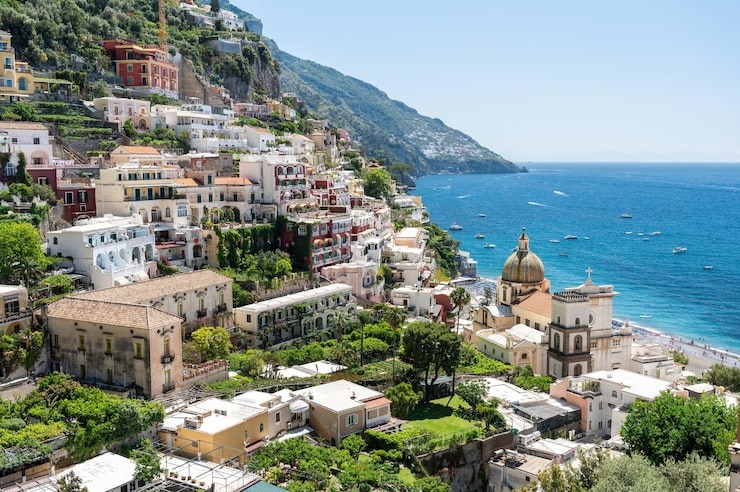
The Amalfi Coast features cliffside villages stacked above the Tyrrhenian Sea, connected by a winding road carved into rock. Positano tumbles downhill in pastel cascades of pink and terracotta, while Ravello offers gardens with views that have inspired artists and composers for generations. Puglia provides a quieter alternative: whitewashed Ostuni glowing on its hilltop, the trulli houses of Alberobello with their distinctive conical roofs, and less-crowded Adriatic beaches. Sicily blends Greek temples at Agrigento, Norman-Arab architecture in Palermo's churches, and the volcanic presence of Mount Etna looming over the island's eastern coast.
For The Slow Life
Umbria and Le Marche offer hilltop towns, medieval streetscapes, and far fewer crowds than neighboring Tuscany. Assisi draws pilgrims to its basilica, covered in Giotto frescoes depicting the life of St. Francis. Spoleto hosts a renowned arts festival each summer that fills its ancient streets with music. Orvieto rises dramatically on a volcanic plateau, its cathedral facade glittering with golden mosaics visible from miles away. These regions reward travelers who want to settle into a rhythm of morning markets, afternoon strolls, and long evening meals rather than rushing between famous landmarks.
The Value Of Expert Planning
Italy's richness can also be its challenge. Deciding between regions, timing visits to avoid crowds, and finding experiences beyond the tourist circuit takes research most travelers don't have time for. This is where customized tours Italy prove valuable. Specialists can arrange private vineyard visits in Piedmont, secure skip-the-line access in Florence, or build an Italy customized vacation around a specific passion, whether Renaissance art, regional cooking, or simply finding the quietest hilltop town with the best view of the surrounding countryside.
Planning The Ultimate Italy Vacation
1. Choose a theme. Art, food, coastline, or the slow life: letting one interest guide your itinerary creates a more cohesive and satisfying experience than trying to sample everything.
2. Go deeper, not wider. Focusing on two or three regions allows you to experience them fully rather than rushing through highlights without absorbing anything.
3. Time your visit thoughtfully. Truffle season runs from October to December. Shoulder seasons along the coast offer better weather and fewer crowds than peak summer months.
4. Build in unstructured time. Leave room for long lunches, afternoon strolls through quiet piazzas, and the unexpected discoveries that make Italian travel memorable.
Whether drawn to Renaissance masterpieces or the pleasure of slowing down, customized tours in Italy help you find your version of this endlessly layered country.
2511 people like this


About Premium Author
This post has been authored and published by one of our premium contributors, who are experts in their fields. They bring high-quality, well-researched content that adds significant value to our platform.
Leave a Reply
Please login to post a comment.






0 Comments