

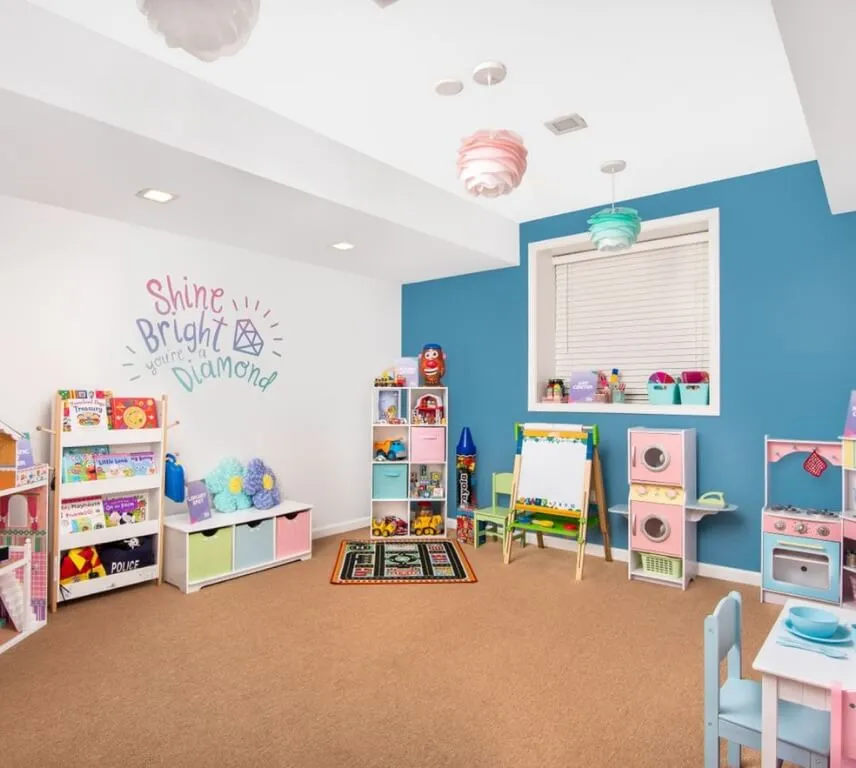
What a First Month at an Autism Center in Chandler Often Looks Like
Starting services at a new provider can feel overwhelming for families. Many parents want to know what actually happens during the first few weeks and how involved they will be. While every provider has its own processes, the first month at a Chandler autism center usually follows a clear structure. Understanding that structure helps families feel more prepared and less uncertain.
This article explains what families can typically expect during the first month, focusing on intake, early sessions, and communication.
Week One: Intake and Information Gathering
The first step usually begins before therapy sessions start. Intake focuses on learning about the child and the family’s daily routines. Families often complete paperwork that covers developmental history, current challenges, school placement, and communication preferences.
During this stage, staff may:
- Review evaluations or diagnostic reports provided by the family
- Ask detailed questions about daily routines at home and school
- Learn how the child communicates needs and responds to structure
- Discuss scheduling availability and preferred service settings
Intake is not about judgment. It is about gathering accurate information so services reflect real life. Families should expect to share specific examples, such as how mornings go at home or what transitions feel hardest.
This process lays the groundwork for ABA Therapy Chandler by identifying which skills and routines will be addressed first.
Assessments Set the Direction
After intake, formal assessments are often conducted. These assessments help staff understand the child’s current abilities across areas such as communication, play, daily living skills, and behavior.
Assessments may include:
- Direct observation during structured activities
- Interaction-based tasks to see how the child responds
- Review of behavior patterns across different situations
Families should know that assessments can take more than one session. Children may need time to feel comfortable in a new environment. The goal is to observe typical behavior, not a perfect performance.
Assessment results guide the initial therapy plan and help define the focus of early sessions.
Weeks Two and Three: Initial Sessions Begin
Once assessments are complete, sessions usually start on a consistent schedule. Early sessions focus on building comfort and routine. Children get familiar with the space, the staff, and expectations.
Early sessions often emphasize:
- Following simple routines
- Building rapport with support staff
- Practicing basic communication
- Introducing structure gradually
At an autism center, early sessions may feel slower than families expect. This is intentional. Rushing progress can create confusion. Early consistency helps children understand what to expect from each session.
Families should expect staff to stick closely to written plans and routines during this stage.
What Families May Notice at Home
During the first month, changes at home may be subtle. Some children show small improvements, such as better tolerance for transitions or increased communication attempts. Others may need time to adjust before changes become noticeable.
Parents may also notice:
- Fatigue after sessions
- Increased need for predictable routines
- Sensitivity to schedule changes
These responses are common during adjustment periods. Families are encouraged to share observations, even if they seem minor.
Communication Expectations With Families
Clear communication is a key part of the first month. Families should expect regular updates, but not constant reporting. Providers usually establish communication preferences early.
This may include:
- Brief session summaries
- Weekly updates or check-ins
- Scheduled meetings to review progress
- Clear guidance on who to contact with questions
Families are encouraged to ask questions and share concerns. Communication works best when it stays focused on specific observations rather than general impressions.
Preparing for Ongoing Services
By the end of the first month, families usually have a clearer picture of what ongoing services will look like. Schedules feel more familiar. Children recognize routines. Communication patterns between families and staff feel more predictable.
At this point, families often discuss:
- Adjustments to session schedules
- Clarifying priorities for upcoming weeks
- Coordinating routines between home and services
This period helps families decide what feels manageable and what questions still need answers.
Setting Realistic Expectations
The first month at an autism center is about building a foundation, not measuring outcomes. Progress develops over time through repetition and consistency. Families who focus on communication, routines, and understanding the process often feel more confident moving forward.
Starting ABA therapy in Chandler involves learning together. When families know what to expect, the transition feels more structured and less stressful.
2412 people like this


About Premium Author
This post has been authored and published by one of our premium contributors, who are experts in their fields. They bring high-quality, well-researched content that adds significant value to our platform.
Leave a Reply
Please login to post a comment.






0 Comments