

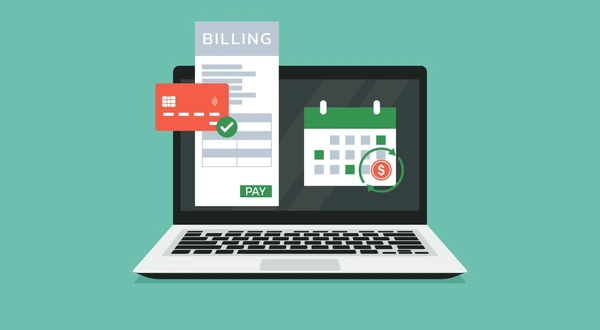
Managing payments manually in 2026 is no longer efficient. Businesses are rapidly shifting toward automated payment systems to simplify billing, reduce human error, and improve cash flow. Whether you run a small business or a growing enterprise, automation can transform how you collect and process payments.
This guide explains how automated payment systems work, their benefits, features, and how to choose the right solution for your business.
What Is an Automated Payment System?
An automated payment system is a digital solution that processes payments without manual intervention. It allows businesses to automatically collect payments through methods like:
- Credit/debit cards
- ACH transfers
- Recurring billing subscriptions
- Online payment gateways
These systems integrate with accounting and invoicing tools, ensuring seamless financial operations.
How Automated Payment Systems Work
Automated payment systems follow a simple workflow:
- Customer payment details are securely stored
- Payment schedule or trigger is set
- System automatically processes the transaction
- Confirmation and records are generated instantly
This reduces the need for manual invoicing and follow-ups.
Key Benefits of Automated Payment Systems
1. Faster Payments & Improved Cash Flow
Automation ensures timely payments, reducing delays and late invoices.
2. Reduced Administrative Work
No more manual billing or chasing customers—everything runs automatically.
3. Lower Error Rates
Automation minimizes human errors in calculations and data entry.
4. Enhanced Customer Experience
Customers enjoy easy, secure, and hassle-free payment options.
5. Better Financial Tracking
Real-time reports help businesses monitor transactions and revenue.
Common Types of Automated Payment Systems
Recurring Billing Systems
Ideal for subscription-based businesses like SaaS or memberships.
ACH Payment Automation
Cost-effective for bank-to-bank transfers, especially in the U.S.
Online Payment Gateways
Allow customers to pay instantly via websites or mobile apps.
Invoice Automation Tools
Automatically send invoices and reminders to customers.
Must-Have Features in 2026
When choosing an automated payment solution, look for:
- Secure payment processing (PCI compliance)
- Integration with accounting software
- Multi-payment options
- Real-time reporting and analytics
- Fraud detection and security features
- Mobile-friendly interface
Who Should Use Automated Payment Systems?
Automated payment systems are beneficial for:
- Small businesses and startups
- E-commerce stores
- Subscription-based services
- Freelancers and agencies
- Healthcare and professional services
Automated Payment Systems vs Manual Payments
| Feature | Automated Payments | Manual Payments |
|---|---|---|
| Speed | Instant | Slow |
| Accuracy | High | Prone to errors |
| Cost Efficiency | Lower long-term | Higher labor cost |
| Scalability | Easy | Limited |
| Customer Experience | Seamless | Frustrating |
How to Choose the Right System
To select the best automated payment system:
- Identify your business needs
- Compare pricing and transaction fees
- Check integration capabilities
- Evaluate security standards
- Look for scalability options
Future Trends in Payment Automation (2026 & Beyond)
The payment landscape continues to evolve with:
- AI-powered fraud detection
- Contactless and mobile payments
- Real-time payment processing
- Blockchain-based transactions
- Embedded finance solutions
Businesses adopting these trends gain a competitive edge.
Conclusion
In 2026, adopting an automated payment system is no longer optional—it’s essential. It saves time, reduces operational costs, and ensures consistent cash flow. Businesses that embrace automation can focus more on growth and less on administrative tasks.
2615 people like this



About Premium Author
This post has been authored and published by one of our premium contributors, who are experts in their fields. They bring high-quality, well-researched content that adds significant value to our platform.
Leave a Reply
Please login to post a comment.








0 Comments