

Common Mistakes to Avoid When Ordering a Portrait Commission
- Brown Chameleon Art and Design
- Business
- 2026-07-28 21:13:10
- 2732K
Ordering a portrait should be an exciting experience, but small oversights can quickly lead to disappointment. From choosing the wrong reference image to giving unclear instructions, even simple mistakes can affect how closely the finished artwork matches your vision. A portrait commission involves trust, communication, and careful planning, especially when the piece is meant to capture someone deeply important to you. Knowing what can go wrong before the artist begins helps you avoid unnecessary revisions, delays, and unexpected costs.
In this guide, we will uncover the most common mistakes buyers make and show you how to create a smoother, more rewarding commissioning experience.
Key Takeaways
- Review the artist’s complete portfolio.
- Use clear, natural reference photos.
- Confirm the size and final format.
- Approve major details before painting begins.
- Keep pricing and terms in writing.
Common Mistakes to Avoid with Portrait Commissions
- Choosing An Artist Based on One Image
A single impressive artwork does not prove that an artist can consistently create the style you need. Review several examples before booking a portrait commission.
Look specifically for work that matches your subject. If you want a family portrait, check the artist’s experience with faces and group composition. For a dog portrait, look closely at how they paint eyes, fur, markings, and natural posture.
Also, confirm that their usual style matches your expectations. An artist known for loose watercolor work may not be the right choice for a highly detailed, realistic result.
- Sending Blurry or Heavily Edited Photos
Reference photos directly affect the accuracy of the portrait commission. The artist cannot clearly reproduce facial features, fur patterns, eye color, or expression when the image is dark, distant, or blurred.
Choose photos that show:
- Sharp facial or pet details
- Natural lighting
- Accurate skin or fur color
- Clear eyes
- Minimal filters
- A natural pose
Avoid screenshots and compressed social media images whenever the original file is available.
Send more than one image if needed, but label the main reference. Explain which photo should guide the pose and which additional images show details such as clothing, hairstyle, markings, or eye color.
- Giving Unclear Instructions
Telling an artist to make the portrait “beautiful” or “special” does not explain what you actually want.
Use clear direction instead. Mention whether the artwork should feel warm, formal, playful, peaceful, or nostalgic. Explain whether you prefer a plain background, a detailed setting, or a soft color wash.
When sharing watercolor ideas, point out the exact features you like. For example, you may prefer soft edges, muted tones, loose brushwork, or a minimal background.
Specific guidance helps the artist interpret your preferences without having to guess.
- Expecting An Exact Copy of Another Artist’s Work
Reference examples are useful, but asking an artist to copy someone else’s style is not a good approach.
Instead, choose an artist whose existing portfolio already reflects the look you want. You can describe general preferences such as realistic details, delicate colors, clean outlines, or expressive brushwork.
This gives the artist useful direction while allowing the final piece to remain original. It is especially important when ordering a custom illustration, because the artist should create something personal rather than reproduce another creator’s work.
- Choosing The Wrong Size
A small portrait cannot always hold multiple people, pets, accessories, and a detailed background without losing clarity.
Ask the artist what size best suits your composition. One close-up subject may work well in a smaller format, while a group scene usually needs more space.
Also, measure the display area before ordering. Consider nearby furniture, viewing distance, frame width, and whether the portrait will hang vertically or horizontally.
The correct size should support both the artwork and the room where it will be displayed.
- Adding Too Many Details
A portrait becomes less effective when every object, location, symbol, pet, and family member is included in one composition.
Decide what the artwork is mainly about. Supporting details should strengthen that focus rather than compete with it.
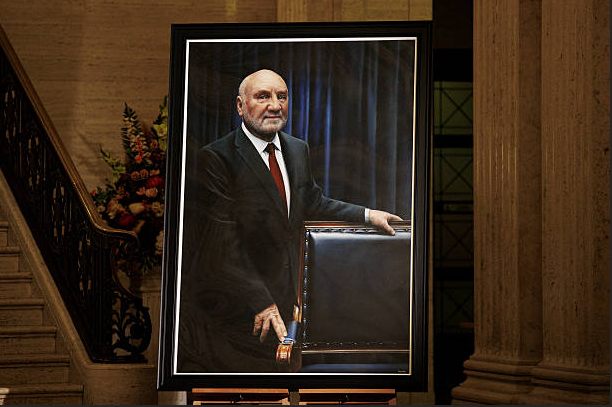
For example, a memorial portrait may need only the subject, a simple background, and one meaningful object. A family portrait may look stronger without unnecessary furniture or visual clutter.
A cleaner composition often feels more personal because attention stays on the main subject.
- Mentioning The Deadline Too Late
Custom artwork requires more than painting time. The process may include planning, sketching, approval, drying, framing, packaging, and delivery.
Tell the artist about a fixed date before paying the deposit. This is especially important for weddings, anniversaries, birthdays, memorials, and holidays.
Ask whether the delivery estimate includes:
- Sketch approval
- Revisions
- Drying time
- Framing
- Shipping
Do not assume a rush request can be accepted. Some artists charge an additional fee, while others may decline if the timeline could affect the quality of the portrait commission.
- Assuming Unlimited Revisions
Revision policies differ between artists. Some include changes only during the sketch stage, while others allow one or two minor adjustments.
Confirm:
- Whether you will receive a sketch
- How many revisions are included
- When changes must be requested
- Which changes cost extra
Changes to pose, subject count, clothing, background, or size are usually major revisions. Requesting them after painting begins may require extra payment or a restart.
Review the sketch carefully before approving it.
- Changing The Concept Midway
A portrait may need to be redesigned if you suddenly add another person, replace the main photograph, or request a different setting.
Finalize the important choices before work starts:
- Main subject
- Pose
- Expression
- Clothing
- Background
- Medium
- Size
- Orientation
Minor adjustments may be possible later, but major changes affect the timeline, price, and composition.
- Choosing Only by Price
The cheapest quote is not always the best value. A lower cost may reflect smaller dimensions, fewer revisions, simpler materials, limited detail, or less experience.
Compare what is included in the price.
Ask whether the quote covers:
- Number of subjects
- Background complexity
- Original artwork or print
- Framing
- Shipping
- Revisions
- Protective packaging
If you are ordering a custom illustration, confirm whether you will receive a digital file, a physical print, or an original piece.
Some artists offer handmade prints, while others provide professionally printed reproductions. Make sure you understand the paper quality, dimensions, and whether the artwork is signed.
- Not Confirming What You Will Receive
Clients sometimes expect an original painting but receive a print or digital file instead.
Before booking, confirm the exact format:
- Original watercolor
- Acrylic or oil painting
- Pencil drawing
- Digital illustration
- Fine art print
- Framed or unframed piece
Also, ask about the surface, dimensions, finishing, and delivery method. Clear product details prevent disappointment when the order arrives.
- Ignoring Copyright and Privacy
Owning the physical portrait does not always mean you own the copyright. The artist may keep the right to reproduce or display the work.
Discuss usage rights if you plan to use the portrait on products, websites, packaging, advertising, or other commercial material.
You should also ask whether the artist may post the finished work online. Request privacy in advance when the portrait involves a child, a memorial, a surprise gift, or a personal family image.
- Skipping a Written Agreement
A written agreement protects both the client and artist. It should clearly state:
- Subject and composition
- Medium and size
- Price and deposit
- Revision limits
- Completion estimate
- Shipping details
- Cancellation terms
- Copyright and privacy
Do not rely only on verbal conversations. Written terms provide a clear reference if questions arise later and help both parties manage portrait commission with fewer misunderstandings.
Conclusion
A successful portrait order should feel thoughtful from the first conversation to the final delivery. Taking time to review the artist’s work, prepare strong references, confirm the format, and understand the agreement can prevent surprises. The best portrait commissions are built on clear expectations, realistic timelines, and mutual trust between client and artist. When every important detail is discussed early, the creative process becomes smoother, and the finished artwork feels more personal. Careful planning does not limit creativity. Instead, it gives the artist the clarity needed to create a piece that reflects the subject with meaning, accuracy, and lasting value.
Bring your meaningful memories to life with Brown Chameleon Art and Design, where careful collaboration turns your vision into personal artwork worth treasuring.
FAQs
Can an artist combine subjects from separate photographs?
Yes, many artists can create one composition from separate images. For the most natural result, provide photos taken from similar angles and under comparable lighting.
Should I request a certificate of authenticity?
A certificate can document the artist’s name, artwork title, medium, dimensions, and completion date. It may be useful for insurance, gifting, resale, or personal records.
Will the finished colors look exactly like the digital preview?
Not always. Screen brightness and display settings can change how colors appear. Physical paint, paper, and printing materials may also produce slightly different tones.
How should an unframed portrait be stored?
Keep it flat or securely supported in a clean, dry area away from sunlight, moisture, smoke, and extreme temperatures. Avoid placing heavy objects directly on the artwork.
Can I order matching portraits at different times?
Yes, but ask the artist to record the original size, medium, palette, and framing details. This information can help future pieces look consistent when displayed together.
2732 people like this



About Premium Author
This post has been authored and published by one of our premium contributors, who are experts in their fields. They bring high-quality, well-researched content that adds significant value to our platform.
Leave a Reply
Please login to post a comment.



0 Comments