

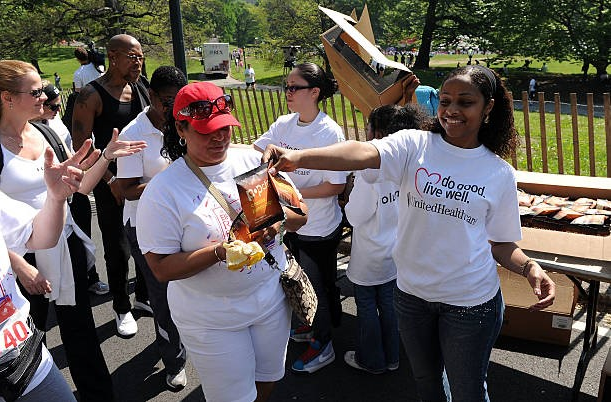
Health Charity Event Benchmarks for Nonprofits
- APS Foundation of America
- Business
- 2026-07-28 22:11:50
- 2733K
Smaller health nonprofits often have powerful missions, but limited time, staff, and outreach budgets. That makes every charity event decision matter, from who receives the first invitation to how follow-ups are handled after the event ends. Outreach benchmarks can help teams move beyond guesswork and understand what is actually working.
Are emails being opened? Are sponsors responding? Are volunteers engaging? Are attendees returning?
This blog explores practical benchmarks for outreach at health charity events that smaller nonprofits can use to increase participation, improve planning, and turn limited resources into meaningful community impact. Remember, these benchmarks should be treated as practical starting points, not fixed rules. Smaller nonprofits should compare results with their own past campaigns whenever possible.
Key Takeaways
Use realistic goals based on audience size, budget, and past results.
Track engagement, registrations, attendance, revenue, and follow-up activity.
Keep emails, landing pages, and forms clear and easy to use.
Compare results with previous campaigns instead of large national organizations.
Review performance during promotion so adjustments can be made early.
Focus on long-term supporter relationships, not only immediate donations.
Health Charity Event Outreach Benchmarks
Email Outreach Benchmarks
Email helps small charities reach patients, caregivers, donors, volunteers, and partners. Each health charity event campaign should track a few core metrics.
Open Rate
Use 25%-28% as a starting target. Results depend on sender recognition, timing, audience interest, and subject-line clarity.
Short subject lines of six to ten words often work well, especially when they include a deadline, number, or clear benefit.
Click-Through Rate
A 2.5% to 3.5% click-through rate can show whether readers acted after opening the message.
Use one primary call to action, such as registration, donation, volunteering, or sponsorship.
Click-to-Open Rate
A 12% to 15% click-to-open rate can indicate whether the email content matched reader expectations.
Strong opens with weak clicks may signal unclear benefits, poor button text, or missing details.
List Growth Rate
Aim for 2% to 3% annual net growth to offset unsubscribes and inactive addresses.
A rare disease charity may attract subscribers through patient guides, caregiver resources, research updates, or advocacy content.
Registration and Attendance Benchmarks
A health charity event should track both registrations and actual turnout.
Email-to-Registration Conversion
A useful goal is 1% to 3% of the total email list.
Results may vary by ticket price, location, timing, audience quality, and topic relevance.
Landing Page Conversion
Event pages may convert 5% to 10% of visitors.
Low conversion may result from long forms, weak mobile design, unclear benefits, missing accessibility details, or complicated payment steps.
No-Show Rate
Free programs may see 20% to 30% no-shows, while ticketed events may fall near 10% to 15%.
Reminders, calendar invitations, parking details, and easy cancellation options can improve turnout.
Flexible planning is especially important for chronic illness support, where health changes or mobility barriers may affect attendance.
Sponsorship and Revenue Benchmarks
Every health charity event should compare revenue with total cost.
Cost to Raise a Dollar
Cost to raise a dollar, or CRD, measures how much is spent to generate one dollar.
For established programs, $0.20 to $0.30 per dollar raised may be a useful benchmark.
Formula: Total expenses ÷ total funds raised
New charity events may have higher early costs due to technology, branding, promotion, equipment, and venue preparation.
Corporate Sponsorship Ratio
Aim to secure sponsors covering 50% to 75% of projected expenses before ticket sales begin.
Potential partners may include hospitals, clinics, pharmacies, professional groups, and local businesses.
Donor Retention and Follow-Up
The value of a health charity event can extend beyond the program.
First-Time Donor Retention
A 20%-30% retention goal may be reasonable for new donors.
Supporters are more likely to give again when they understand how their contribution was used. An organization offering education about lupus causes can explain whether donations funded awareness, patient materials, transportation, workshops, or navigation services.
Follow-Up Email Open Rate
Thank-you and impact emails may achieve open rates of 40% to 50% when sent promptly.
A personalized message within 48 hours should recognize whether the recipient attended, donated, volunteered, sponsored, spoke, or promoted the program.
Simple Measurement System
A spreadsheet can track:
Email opens and clicks
Landing page visits
Registrations
Attendance
Donations
Sponsorship income
Volunteer participation
Partner referrals
Each health charity event can use three goal levels:
Minimum: 80 registrations
Target: 100 registrations
Stretch: 125 registrations
Reviewing results during promotion helps teams fix weak landing pages, improve messaging, and support high-performing partners.
Conclusion
A health charity event can become a powerful way to bring people together, strengthen trust, and create lasting community value. For smaller nonprofits, success is often built through careful choices, consistent communication, and a genuine understanding of supporter needs. Strong results do not always require a large budget or a national audience. They require thoughtful preparation, reliable measurement, and meaningful follow-up.
When organizations learn from each campaign and use those insights to guide future decisions, they can improve outreach, deepen donor relationships, and expand their impact. Over time, this practical approach can support healthier growth and a stronger connection to the mission.
FAQs
How early should a small nonprofit begin promoting an event?
Promotion often begins six to twelve weeks in advance. Larger programs involving sponsors, speakers, or travel may need additional preparation time.
How many outreach channels should a nonprofit use?
Start with the channels your audience already uses, such as email, social media, community partners, and local organizations. Quality and consistency matter more than using every available platform.
Should registration forms collect detailed information?
Only request information needed to manage the program and communicate with participants. Shorter forms are usually easier to complete and may improve conversion.
How can nonprofits improve accessibility?
Provide clear details about parking, transportation, mobility access, seating, dietary needs, virtual options, and available support before registration.
What should be included in a post-event message?
Include a sincere thank-you, a brief impact update, useful photos, future opportunities, and a clear explanation of how participants can remain involved.
2733 people like this



About Premium Author
This post has been authored and published by one of our premium contributors, who are experts in their fields. They bring high-quality, well-researched content that adds significant value to our platform.
Leave a Reply
Please login to post a comment.







0 Comments