

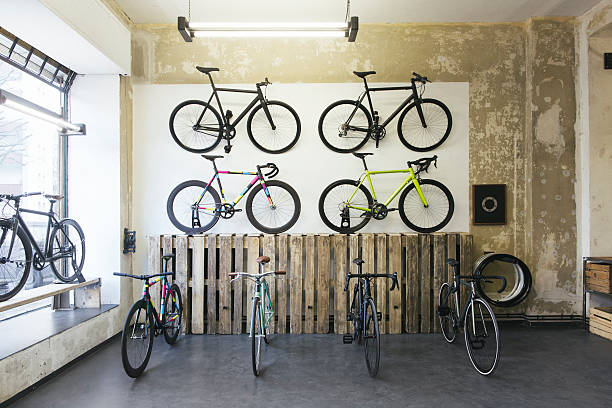
A bike intended for daily commuting may require different features from one designed for long-distance road cycling or competitive riding.
- Mario Furst
- Business
- 2026-08-11 13:12:23
- 2773K
Buying a bicycle is an exciting decision, but finding the right option can be challenging when there are so many models, specifications, and price ranges available. Whether you are a beginner, a regular commuter, or an experienced cyclist, understanding what influences the cost can help you make a smarter purchase.
Understand Your Riding Needs
Before comparing prices, think about how you plan to use your bicycle. A bike intended for daily commuting may require different features from one designed for long-distance road cycling or competitive riding.
Your riding style, preferred terrain, and expected frequency of use should all influence your choice. Buying a model with features you actually need can provide better value than paying extra for specifications you may never use.
What Influences Bicycle Cost?
The bicycle price can vary significantly depending on several factors. Frame material is one of the most important considerations. Aluminium frames are commonly chosen for their balance of weight, durability, and affordability, while carbon fibre models can offer lower weight and enhanced vibration absorption at a higher cost.
Components also affect the overall value. Gears, brakes, wheels, drivetrain systems, and other parts can differ considerably between entry-level and premium bicycles. Higher-quality components may improve performance, durability, and riding comfort.
Brand reputation, technology, manufacturing quality, and design can also contribute to the final cost.
Consider Long-Term Value
The cheapest bicycle is not always the most economical choice. A model with durable components and a comfortable design may provide better value over several years than an inexpensive option that requires frequent repairs or upgrades.
Think about maintenance requirements, replacement parts, and how easily the bicycle can be adjusted or upgraded. Spending slightly more initially may make sense if it results in a more reliable and enjoyable riding experience.
Compare Features, Not Just Numbers
When shopping, avoid choosing a bicycle based solely on its advertised cost. Compare frame construction, component quality, sizing options, gearing, braking systems, wheel specifications, and overall design.
It is also important to select the correct size. Even a technically advanced bicycle may feel uncomfortable if it does not suit your body measurements and riding position.
Make a Confident Decision
A good bicycle should match both your riding goals and your budget. Start by identifying your needs, research the features that matter most, and compare several suitable options before making a decision.
By focusing on quality, comfort, durability, and long-term usefulness rather than simply looking for the lowest cost, you can find a bicycle that delivers better value and makes every ride more enjoyable.
2773 people like this



About Premium Author
This post has been authored and published by one of our premium contributors, who are experts in their fields. They bring high-quality, well-researched content that adds significant value to our platform.
Leave a Reply
Please login to post a comment.






0 Comments