

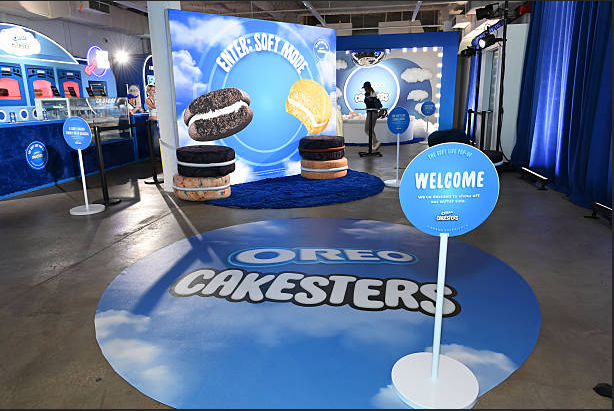
How U.S. Retailers Use Floor Graphics, Wall Panels, and Branded Mats to Guide Shoppers
- TSF Direct
- Business
- 2026-07-29 20:13:51
- 2738K
In a busy retail store, shoppers make quick decisions about where to look, where to walk, and what feels worth their attention. That journey is not shaped by shelves alone. Floors, walls, mats, colors, textures, and branded surfaces all work quietly in the background to guide movement and influence interest.
A well-placed floor graphic can point customers toward a promotion, while a branded mat or wall panel can make a section feel more polished and intentional.
This blog explores how U.S. retailers use these visual tools to guide shoppers, improve flow, and create a more memorable in-store experience.
Key Takeaways
- Floor graphics help direct shoppers toward products, promotions, and checkout areas.
- Wall panels create clear branded zones and make store messaging easier to notice.
- Branded mats support first impressions at entrances, counters, and service areas.
- Flexible materials like interlocking carpet tiles help retailers adjust layouts more easily.
- Branded surfaces such as custom tabletops can support product education and shopper engagement.
How U.S. Retailers Use Floor Graphics, Wall Panels, and Branded Mats for Shopper Guidance
Floor Graphics Create Clear Pathways
Floor graphics are one of the most direct ways to guide shoppers. They can be placed near entrances, walkways, product displays, checkout lines, and promotional areas. Because customers naturally look down while walking, floor messaging can catch attention without crowding the walls.
Retailers use floor graphics for arrows, sale messages, seasonal campaigns, product directions, safety reminders, and brand storytelling. A grocery store may use them to point toward holiday items. A clothing store may use them to lead shoppers toward new arrivals. A tech store may use them to highlight a demo zone.
The best floor graphics are simple and easy to understand. They use clear words, strong contrast, and smart placement. Too many messages on the floor can create visual noise, so retailers should focus on key areas where shoppers need direction or encouragement.
Wall Panels Help Define Retail Zones
Wall panels give retailers another way to organize the shopping experience. While floor graphics guide movement, wall panels help explain what each area represents. They can show product categories, campaign visuals, lifestyle images, brand colors, or educational messages.
For example, a beauty retailer may use wall panels to separate skincare, makeup, and fragrance. A sports store may use them to create running, training, and outdoor zones. A home goods store may use wall visuals to inspire room ideas or seasonal looks.
Wall panels also make stores feel more polished. Instead of plain walls, retailers can create branded backdrops that support displays and social media moments. This is especially useful in stores where customers like to photograph products, try items, or share their experience online.
Branded Mats Support First Impressions
Branded mats are often used at entrances, checkout areas, service counters, pickup zones, and fitting room spaces. They serve a practical purpose by helping reduce dirt and moisture, but they also support branding from the first step inside.
For retail showrooms, customer service areas, and commercial entrances, office entrance mats can create a cleaner and more professional look. They can show a logo, welcome message, directional cue, or campaign phrase while also helping define the entry point.
Mats can also separate important areas inside the store. A mat near a returns desk, sample station, or pickup counter can signal where customers should stop or wait. This makes the space easier to understand without adding too many signs.
Flexible Flooring Helps Retailers Adjust Layouts
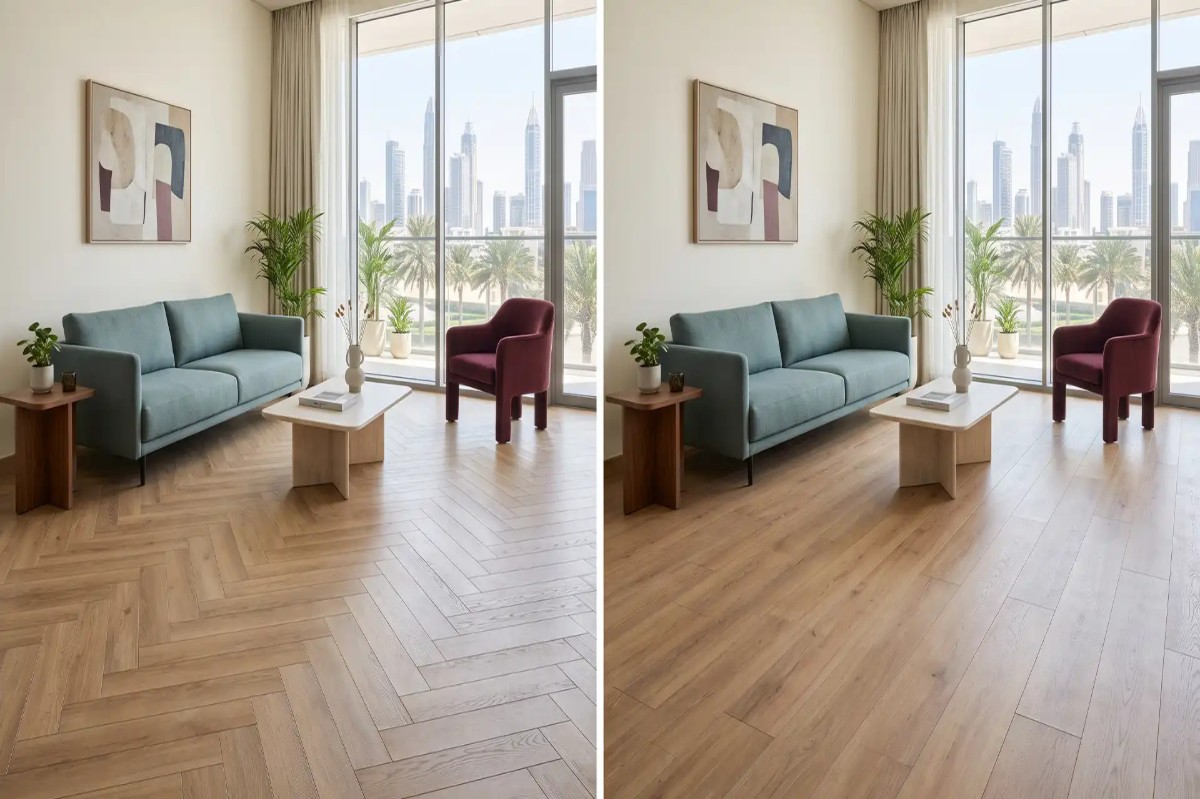
Retail layouts often change for seasons, promotions, product launches, and special events. That is why flexible surfaces can be useful. Materials like interlocking carpet tiles allow retailers to create sections, soften walking areas, or refresh temporary display zones without replacing the entire floor.
A store may use a different flooring texture to guide shoppers into a footwear area, children’s section, consultation corner, or product demo space. This kind of visual change helps people understand that they are entering a new zone.
Some retailers also use textured surfaces for themed displays. For example, putting green turf may work well in golf promotions, sports retail, outdoor lifestyle displays, or interactive product areas. It adds color and texture while giving customers a reason to pause and engage.
Branded Surfaces Reinforce Product Messages
Retail guidance does not stop at the floor or wall. Display tables, counters, and service desks can also become communication tools. Custom tabletops can include brand graphics, product details, campaign visuals, or simple instructions that help shoppers understand what they are viewing.
This is useful when products need explanation. A skincare display, tech demo, sample station, or seasonal promotion can benefit from branded surface messaging. Instead of sending customers elsewhere for information, the store can place helpful details right where shoppers are already standing.
When all surfaces work together, the retail space feels more intentional. The floor guides movement, the walls define the environment, mats create stopping points, and tabletops support product interaction.
Conclusion
U.S. retailers use floor graphics, wall panels, and branded mats because these tools make stores easier to navigate and more visually engaging. They help shoppers find products, notice promotions, understand zones, and move through the space with less confusion.
The strongest retail environments use these elements naturally. A floor graphic can point shoppers toward a sale. A wall panel can define a product category. A branded mat can improve the entrance experience. Flexible materials like interlocking carpet tiles, textured turf, and branded surfaces such as custom tabletops can add even more structure and personality.
When used with purpose, these details do more than decorate a store. They guide shoppers, support branding, and create a smoother in-store experience from entrance to checkout.
FAQs
How do floor graphics guide shoppers?
They use arrows, messages, colors, and placement to direct customers toward products, promotions, checkout areas, or important store zones.
Where should retailers use branded mats?
Branded mats work well at entrances, checkout counters, service desks, pickup areas, fitting rooms, and product demo zones.
Are wall panels useful for small retail stores?
Yes. Wall panels can help small stores define sections, highlight products, and make the space feel more organized.
Why do retailers use flexible flooring?
Flexible flooring helps stores adjust layouts for seasonal promotions, pop-up displays, product launches, and changing traffic patterns.
2738 people like this



About Premium Author
This post has been authored and published by one of our premium contributors, who are experts in their fields. They bring high-quality, well-researched content that adds significant value to our platform.
Leave a Reply
Please login to post a comment.



0 Comments