

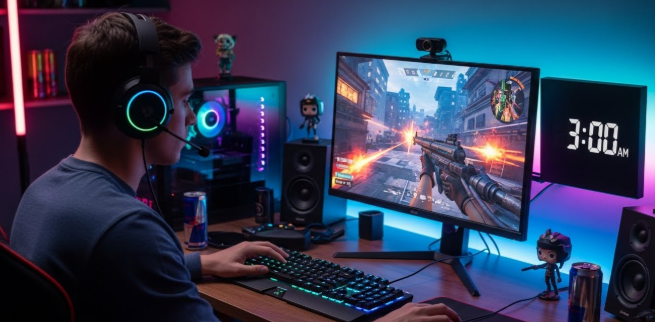
The Right to Play: Why Gaming Is More Than Just Entertainment
- Hailey Nelson
- Gaming
- 2026-02-27 11:52:28
- 2487K
For decades, video games were dismissed as simple entertainment, colorful distractions designed for children or hobbyists. Today, gaming is a global cultural force shaping education, social interaction, careers, and even political expression. With over three billion players worldwide, gaming is no longer a niche activity. It is a major part of digital life. As such, access to gaming, fair treatment within gaming spaces, and digital protections for players have become important rights-based conversations.
Gaming as a Cultural and Social Space
Modern video games are not just products. They are communities. Multiplayer titles connect players across continents, creating shared digital spaces where friendships are formed and identities are expressed. Games serve as virtual gathering places much like parks, schools, and community centers.
For many players, especially young people, gaming is where they socialize most. Voice chat, cooperative missions, and competitive matches foster teamwork, leadership skills, and cultural exchange. In this sense, gaming supports the broader human right to participation in cultural life recognized under international human rights frameworks.
Online Harassment and the Need for Protection
However, the growth of online gaming has also exposed serious issues. Toxic behavior, harassment, discrimination, and hate speech remain common problems in many multiplayer environments. Women, minorities, and LGBTQ+ players are often disproportionately targeted.
Gaming companies have a responsibility to create safer spaces. This includes strong moderation systems, transparent reporting tools, and clear community standards. Protecting players from harassment is not about limiting free speech. It is about ensuring that digital spaces are accessible and safe for everyone.
When players feel unsafe, they withdraw. When they withdraw, diversity suffers. Inclusive gaming communities strengthen the entire ecosystem by encouraging creativity and broader participation.
Digital Ownership and Player Rights
Another emerging issue is digital ownership. Many games today operate on a live service model, meaning players purchase in-game items, skins, characters, or expansions that exist entirely in digital form. But do players truly own these purchases?
Licensing agreements often allow companies to revoke access, shut down servers, or modify content without warning. When a game closes, players can lose years of progress and financial investment overnight. This raises important questions about consumer rights in digital spaces.
Should players have clearer guarantees about digital purchases? Should there be better transparency about how long games will be supported? As gaming continues to shift toward online ecosystems, these questions become more urgent.
Accessibility: Gaming for All
Gaming should be inclusive, not only socially but physically. Millions of players live with disabilities that can make traditional game controls difficult or impossible to use. Thankfully, accessibility in gaming has improved significantly in recent years.
Features such as customizable controls, subtitles, colorblind modes, difficulty adjustments, and adaptive hardware have made games more playable for diverse audiences. Developers who prioritize accessibility demonstrate that gaming can and should be for everyone.
Access to cultural participation, including gaming, should not depend on physical ability. The more inclusive the design, the stronger and more diverse the gaming community becomes.
The Economic Power of Gaming
Gaming is also an economic engine. Esports, content creation, streaming, game development, and virtual economies create millions of jobs worldwide. For some, gaming is not just a hobby. It is a livelihood.
Yet many professional gamers and streamers operate in uncertain environments. Contracts may lack transparency. Revenue sharing systems can be inconsistent. Platform policies can change without notice. Protecting the rights of digital workers within gaming spaces is an important next step as the industry matures.
Fair labor practices, clear contracts, and platform accountability are necessary to ensure that gaming remains sustainable as a career path.
Balancing Regulation and Innovation
As governments examine the gaming industry, regulation becomes a complex issue. Loot boxes, microtransactions, and data collection practices have raised concerns in many countries. Some argue for stricter oversight to protect younger players from exploitative mechanics.
At the same time, overregulation can stifle innovation and creative freedom. The goal should not be to limit gaming but to ensure ethical design, transparency, and player protection. Balanced policy frameworks can protect users without undermining the artistic and technological evolution of games.
Gaming as Digital Expression
Video games are a powerful storytelling medium. They allow players to explore complex themes, historical events, and social issues in interactive ways. From independent titles addressing mental health to large scale games exploring war, politics, and morality, gaming has become a platform for expression.
Protecting creative freedom in gaming is essential. Developers must have the ability to explore diverse narratives without unnecessary censorship, while also respecting cultural sensitivities and legal standards.
When games reflect a variety of voices and perspectives, they enrich global culture.
The Future of Gaming Rights
The next decade will likely transform gaming even further. Virtual reality, augmented reality, artificial intelligence, and cloud gaming are already reshaping how basketball stars players interact with digital worlds. As these technologies expand, so too will questions about privacy, ownership, identity, and safety.
Players deserve transparency about how their data is collected and used. They deserve fair treatment in digital marketplaces. They deserve protection from harassment. And they deserve inclusive spaces where everyone can participate equally.
Gaming is more than entertainment. It is community, culture, economy, and expression. Recognizing the rights of players and creators ensures that this digital frontier remains open, fair, and empowering for all.
In the end, the right to play is closely tied to the right to participate in modern digital society. As gaming continues to evolve, so must our commitment to protecting the people who make these virtual worlds come alive.
2487 people like this



About Premium Author
This post has been authored and published by one of our premium contributors, who are experts in their fields. They bring high-quality, well-researched content that adds significant value to our platform.
Leave a Reply
Please login to post a comment.






0 Comments