


Tiny House Regulations That Could Impact Your Dream Home
- Jack Dowson
- Business
- 2025-07-08 15:23:11
- 344K
In recent years, the idea of dwelling small has won big traction. With sustainability, affordability, and minimalism shaping contemporary housing options, extra individuals and households are gravitating closer to tiny homes. However, earlier than constructing or buying your dream tiny domestic, it’s essential to recognize the tiny house regulations that might have an effect on your plans. Across america and across the world, policies and codes governing tiny homes vary dramatically, and navigating them can make or spoil your dream of downsizing.
Whether you’re planning a permanent living or considering alternatives like an ADU on the market, this manual will assist you make feel of the regulatory panorama and keep away from unexpected roadblocks.
Understanding the Legal Definition of a Tiny House
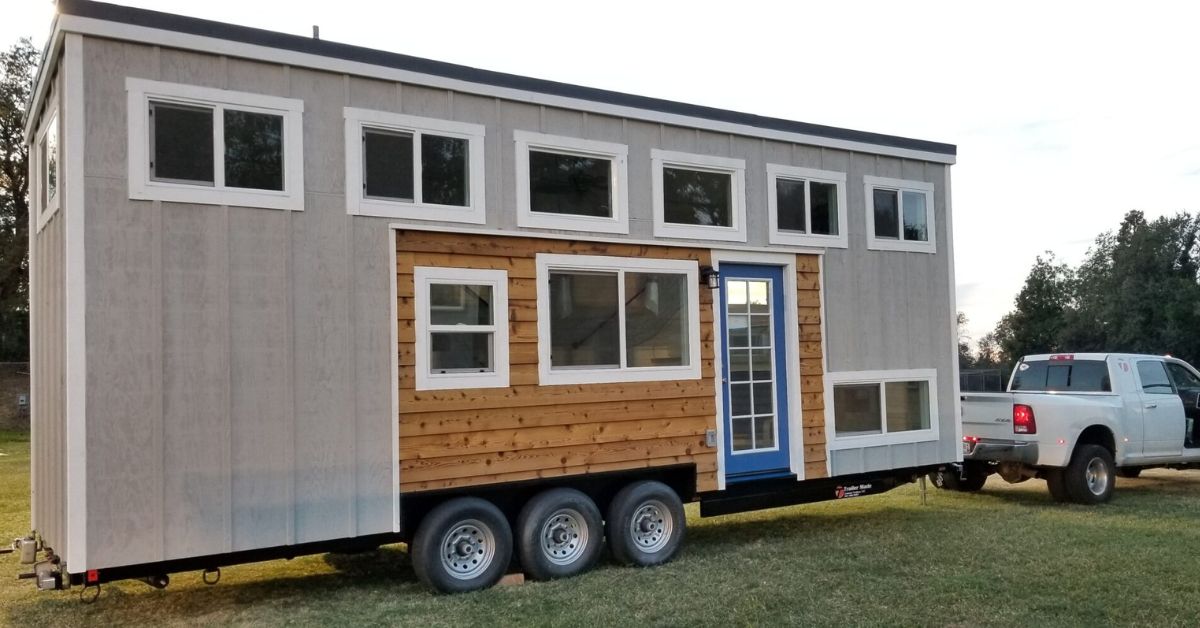
The term “tiny house” generally refers to a dwelling this is 400 rectangular feet or much less, except lofts. However, the definition can vary relying on local jurisdictions. Some localities define tiny houses as a type of accent living unit (ADU), even as others may additionally classify them as recreational vehicles or cell houses.
The legal definition matters because it determines what constructing codes and zoning policies apply. For instance, in case your nearby municipality considers a tiny house to be an RV, you can now not be allowed to stay in it complete-time. Conversely, if it’s labeled as a everlasting structure, it'll be concern to building codes related to plumbing, insulation, structural safety, and more.
Building Codes: The Backbone of Tiny House Regulations
Building codes ensure the protection and structural integrity of residential structures. For tiny homes, compliance with building codes like the International Residential Code (IRC) can be complex. In 2018, a specific appendix—Appendix Q—changed into brought to the IRC to deal with tiny houses. This appendix provides recommendations on ceiling height, staircases, emergency exits, and lofts, tailored particularly for homes beneath 400 rectangular toes.
However, not all jurisdictions have adopted Appendix Q. Therefore, even if your tiny house is built to IRC standards, nearby government may still reject it if they haven’t incorporated the appendix into their regulations. Builders and prospective owners have to research their nearby constructing departments to determine which codes are enforced and the way they practice to small dwellings.
Zoning Laws and Where You Can Legally Place a Tiny House
Zoning laws dictate how land can be used within one of a kind regions, affecting whether you could location a tiny residence on a positive belongings. Even in case your tiny domestic meets all building code requirements, zoning restrictions can prevent you from living in it legally.
Many cities and counties restriction the minimum rectangular photos of a residing, that could exclude tiny houses from being constructed on residential plenty. Others may permit tiny houses best in particular areas, inclusive of RV parks or unique zoning overlays for tiny residence communities.
If you're considering shopping land or seeking out an ADU on the market, test nearby zoning ordinances to see if tiny houses are allowed and under what conditions. Zoning codes may also have an effect on utility connections, driveway access, and septic system requirements, all of which can increase the complexity of your task.
Permanent vs. Mobile Tiny Houses
One of the foremost differences in tiny house policies is among permanent tiny houses on foundations and cellular tiny homes on trailers. Permanent structures are usually less complicated to permit if they agree to building codes and zoning legal guidelines. These homes may be used as primary residences or ADUs in some jurisdictions.
Mobile tiny houses, regularly referred to as tiny homes on wheels (THOWs), face stricter regulations. Because they may be technically cellular, they will be taken into consideration leisure cars and subject to RV park policies. In many regions, dwelling full-time in a THOW is not authorised until the location has been zoned explicitly for RVs or mobile dwellings.
Before selecting among a mobile or permanent tiny house, look at the lengthy-time period legal implications, especially if you intend to stay within the unit complete-time.

Tiny Houses as ADUs: A Legal Grey Area or a Golden Opportunity?
Tiny houses are more and more being used as accessory dwelling units (ADUs), imparting additional housing alternatives on residential plenty. The upward thrust of housing shortages and affordability problems has made ADUs a famous solution in lots of urban areas. This makes the relationship among tiny residence policies and ADU laws relatively applicable.
Some cities have comfortable ADU guidelines, making it less difficult for owners to feature a tiny home to their belongings. For instance, California has exceeded state laws encouraging ADU improvement to alleviate housing shortages, which has led to an growth in listings for ADU on the market.
However, although ADUs are prison to your area, you need to still observe specific regulations concerning setbacks, height restrictions, lot coverage, and parking. A tiny home being used as an ADU must also regularly be connected to municipal offerings, which include water and power, which may require vast funding and planning.
Environmental and Utility Considerations
Living off-grid is a dream for plenty tiny residence lovers, however tiny house regulations regularly require connection to utilities. Municipalities typically implement regulations about how houses dispose of sewage and greywater, and these regulations follow to tiny houses just like traditional homes.
If your tiny domestic is off-grid, you’ll want to investigate alternative power structures, composting bathrooms, and water catchment structures that meet code. Some regions won't allow off-grid living at all. Even wherein it's far allowed, gaining approval frequently involves presenting engineered plans and passing inspections, which may be each time-consuming and high priced.
When buying an ADU for sale, be sure to confirm whether the unit meets nearby utility and environmental codes. Failure to comply can result in fines or even demolition orders.
Financing and Insurance Challenges
While no longer directly part of tiny residence rules, securing financing and insurance can emerge as entangled in felony category problems. Many traditional creditors hesitate to finance tiny homes, particularly if they are on wheels. Likewise, coverage organizations often battle to categorize tiny houses, particularly people who fall between the definitions of RVs and conventional houses.
Your capacity to gain financing and coverage may additionally rely on the nearby policies regarding tiny houses. Some municipalities require proof of insurance and a legal deal with for permitting, that may complicate matters if your tiny house doesn’t healthy traditional molds.

The Future of Tiny House Legislation
As housing traits shift, more jurisdictions are revisiting their stance on tiny homes. Several towns have all started implementing tiny house-friendly ordinances, and some states are developing pilot applications to check tiny house villages. Advocacy groups are running to standardize policies across state traces, however development is choppy.
The developing reputation of ADU for sale listings and increasing attention of sustainable housing options advocate a greater inclusive destiny for tiny houses. However, until there's broader regulatory readability, potential owners need to navigate a complicated web of neighborhood regulations, codes, and ordinances.
Conclusion
Tiny houses provide a compelling life-style opportunity for the ones looking for simplicity, affordability, and sustainability. But understanding your tiny residing dream requires greater than innovative layout and minimalism. Navigating tiny residence guidelines is a essential step that determines whether your dream domestic will become a fact or remains just an concept.
Understanding constructing codes, zoning laws, the class of your shape, and ADU guidelines can make all the difference. With the housing market evolving and an increasing number of ADU for sale possibilities available, now is a pivotal time to discover the sector of tiny residing—but handiest with the proper criminal know-how in hand.
Frequently Asked Questions
1. Can I live in a tiny residence yr-round?
Yes, but most effective if nearby guidelines allow it. In many regions, tiny homes should meet unique building and zoning necessities for use as complete-time residences.
2. Are tiny homes taken into consideration legal everywhere?
No. Tiny residence legality varies through city, county, and state. Always test with nearby making plans departments to apprehend the applicable tiny residence rules.
3. What’s the distinction between a tiny residence and an ADU?
A tiny house is a small dwelling, at the same time as an ADU is a secondary unit on a belongings with a first-rate home. A tiny residence can function an ADU if it meets criminal and zoning requirements.
4. Do tiny houses want to be linked to utilities?
In most jurisdictions, yes. Some regions allow off-grid living, but this commonly requires special permits and compliance with health and protection codes.
5. How do I find a criminal vicinity to park my tiny house on wheels?
Research neighborhood zoning legal guidelines and RV park policies. Some areas permit THOWs in cellular domestic parks, on non-public land with permits, or in precise tiny domestic groups.
344 people like this


About Premium Author
This post has been authored and published by one of our premium contributors, who are experts in their fields. They bring high-quality, well-researched content that adds significant value to our platform.
Leave a Reply
Please login to post a comment.








0 Comments