

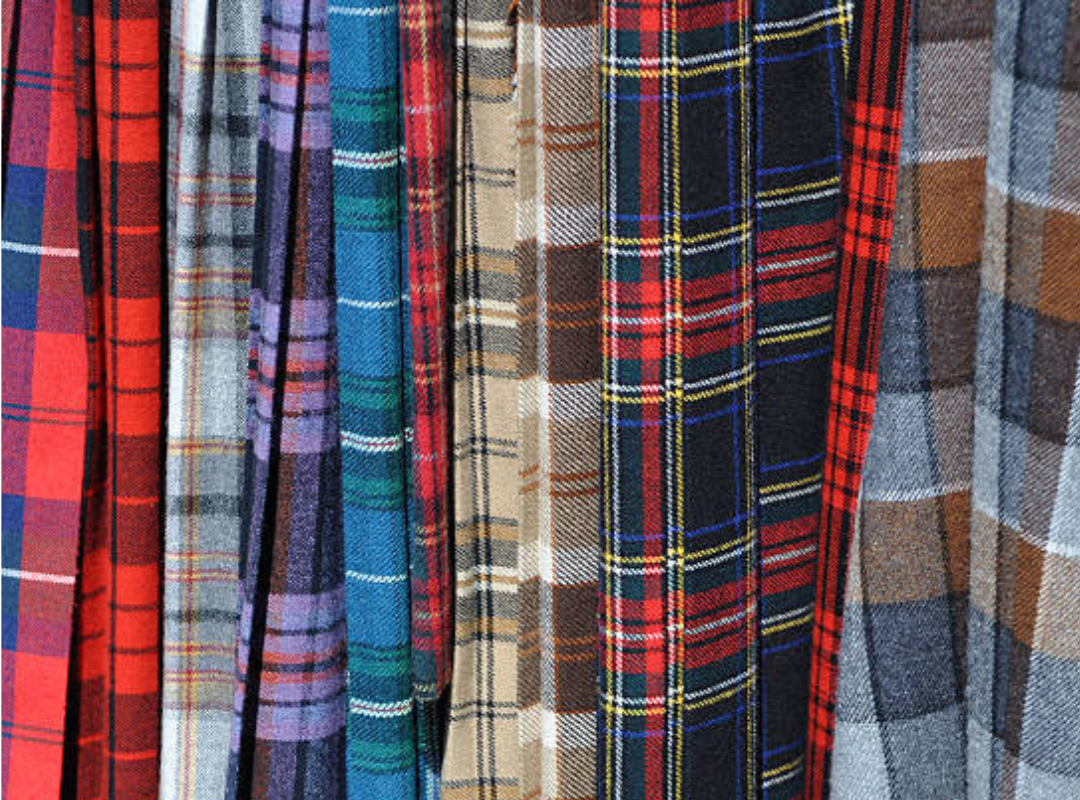
Crafting premium kilt outfits requires a thoughtful understanding of how fabric quality influences style, durability, and overall authenticity. Whether someone is preparing for a traditional event, a wedding, or modern Highland gatherings, the fabric selection determines how well the outfit performs and how confidently it is worn. Scotland’s heritage has long shaped these textile traditions, but today’s buyers have a wider range of options—each with unique strengths. In this guide, we explore the top fabric types used for kilts, jackets, and coordinating accessories so readers can make informed decisions when investing in long-lasting, elegant ensembles.
Why Fabric Matters in Premium Kilt Outfits
Fabric plays a central role in defining the structure and character of premium kilt outfits. For example, heavier wool types create strong pleats and flowing movement, while lighter weaves support breathable comfort during warm-weather events. Beyond aesthetics, fabric quality also influences shape retention, wrinkle resistance, and the ability to withstand regular wear. When assembling a full Highland outfit—kilt, jacket, vest, and accessories—choosing the appropriate fabric ensures every element aligns harmoniously. This becomes especially important for those who wear their outfits often or participate in cultural occasions requiring authenticity and tradition.
Traditional Wool: The Gold Standard of Highland Wear
Wool remains the most trusted material for creating premium kilt outfits, thanks to its durability, natural insulation, and deep cultural roots. Historically sourced from Scotland’s Highlands, wool fabric has been refined over centuries to produce richly textured tartans and classic kilt silhouettes. Modern wool kilts typically use 13–16 oz tartan wool, providing structure and excellent movement during ceremonies or dances. The breathability of wool also contributes to comfort, making it suitable across seasons. Because wool drapes beautifully, it enhances the clean lines and sharp pleats essential to quality Highland apparel.
Tweed Fabrics for a Classic and Rustic Finish
Tweed has grown increasingly popular among those building premium kilt outfits, especially when aiming for a rugged yet polished look. Traditionally woven from wool, tweed offers a textured, earthy appearance that complements outdoor ceremonies and heritage-inspired settings. Its thicker weave delivers impressive warmth and longevity, making it ideal for jackets, waistcoats, and accessories. During the selection process, color matters; neutral shades pair well with a wide range of tartans. Many people gravitate toward black and grey tweed for versatile styling, particularly for semi-formal occasions where a blend of tradition and modern appeal is ideal.
When assembling a complementary jacket-and-vest combination, buyers may explore formalwear options and even look to buy Prince Charlie traditional jacket and vest for weddings or evening gatherings. These garments often use wool blends or refined tweed constructions, offering texture and structure that harmonize with the chosen kilt fabric. The pairing creates a cohesive ensemble that blends craftsmanship with timeless style.
Poly-Viscose Blends: Lightweight and Practical
Although natural fibers dominate Highland fashion, poly-viscose blends have become a reliable alternative for those wanting premium kilt outfits without the cost of pure wool. Poly-viscose fabric provides softness, durability, and a lightweight feel that suits warmer weather or extended wear. Its wrinkle-resistant nature is ideal for frequent travelers or performers, ensuring the kilt maintains its clean shape. Additionally, poly-viscose tartans replicate the authentic look of wool, making them suitable for both casual gatherings and special events. This blend offers budget-friendly versatility while maintaining visual authenticity.
Tartan Weaves: Honoring Tradition Through Fabric
Tartan fabrics remain at the heart of premium kilt outfits, and the weave type significantly affects the final look. Traditional tartans use a twill weave pattern that creates diagonal ribbing, enhancing flexibility and drape. This structure allows pleats to sit properly, preserving the outfit’s heritage aesthetic. With hundreds of clan and fashion tartans available, wearers have the freedom to represent family lineage or express personal style. The craftsmanship behind tartan weaving ensures vibrant color retention and lengthened lifespan, making it a popular choice for kilts passed down through generations.
Satin, Cotton, and Supplementary Fabrics for Accessories
While kilts and jackets rely heavily on wool and tweed, accessories within premium kilt outfits often incorporate secondary fabrics such as satin and cotton. Satin is frequently used for vest linings, tie finishes, and decorative trims due to its smooth and reflective appearance. Cotton, on the other hand, offers breathable comfort for shirts and certain casual accessories. These supplementary fabrics ensure the outfit remains comfortable while elevating the visual appeal. When coordinated properly, they enhance the texture contrast between tartan kilts and structured jackets, creating a refined, well-balanced look for any event.
In this context, shoppers assembling an outfit with rustic or semi-formal flair may consider options like those who choose to buy black tweed kilt jacket, as these pieces typically utilize resilient tweed fabrics that complement tartan kilts beautifully. Their sturdy construction adds depth and character to the ensemble without compromising comfort or tradition.
Choosing the Right Fabric Based on Occasion
Selecting the best fabric depends heavily on the intended occasion. For formal events, wool kilts paired with Prince Charlie or Argyll jackets are the preferred standard. Outdoor ceremonies benefit from tweed’s weather-resistant nature, while festivals and casual gatherings might call for lightweight poly-viscose. Considering climate, event formality, and frequency of use ensures the chosen materials reflect the true purpose of premium kilt outfits. In every scenario, balancing practicality with traditional elegance helps create outfits that remain stylish and functional for years to come.
Conclusion: Building a Timeless Highland Ensemble
Constructing premium kilt outfits begins with understanding how fabric influences every element—from the kilt’s drape to the jacket’s structure. Wool provides unmatched authenticity, tweed adds rustic sophistication, poly-viscose offers practical lightness, and tartan weaves bring cultural identity to the forefront. Each material contributes unique advantages that allow wearers to create ensembles perfectly suited to their needs. With thoughtful fabric selection, anyone can design a Highland outfit that honors tradition while ensuring durability, comfort, and lasting visual appeal.
2325 people like this


About Premium Author
This post has been authored and published by one of our premium contributors, who are experts in their fields. They bring high-quality, well-researched content that adds significant value to our platform.
Leave a Reply
Please login to post a comment.






0 Comments