


4 tips for small businesses to manage cash flow
- Jasmin Watson
- Finance
- 2026-07-21 14:54:29
- 2679K
If you have just started a business, you must be wondering how you will manage cash. This is the biggest concern among all startups. In the first few months, you have to try to reach the breakeven point. Once you hit the breakeven point, you start generating profits. But unfortunately, having enough profits and having a positive cash flow are two entirely different things.
Cash flow ensures cash coming in and going out, and there must be a positive flow of cash to ensure that your business does not struggle with day-to-day expenses. It is likely that your business is able to generate profits, but you do not have sufficient money to cover all your expenses. Do not forget that you will pay taxes on gross revenues, and some portion of it will be earmarked, ensuring you do not have to rush to direct lender loans when you need money for big operations.
If you have started a business and you want to improve cash flow, you will have to ensure that your business is profitable enough. If there is no consistency in your profits, you will certainly end up struggling with maintaining a positive cash flow.
Tips for managing cash flow
Here are the tips that you can follow in order to manage cash flow:
Forecast realistic cash flow
A cash flow forecast helps you prognosticate about the time of money coming in and going out. It is vital to understand periods when cash might be tight, so you can plan accordingly. Try to list all expenses – fixed and variable – and make sure that the estimation is as accurate as possible.
Fixed expenses remain the same, but calculate the average of variable expenses based on the previous six months’ business performance. You will need a realistic sales forecast to determine the estimated cash flow.
Separate personal and business expenses
If you want to take out a business loan for a new business, you will need to demonstrate how much money your business makes and spends. Bear in mind that you will have to keep your business and personal expenses separated, even though your business does not have a separate identity.
Most of the entrepreneurs struggle with cash flow because they fail to manage their business and personal expenses. No lender will ever be able to sign off on your application if you fail to display a proper record of business expenses.
While approving a business loan, lenders want to see whether your business is able to pay it back on time. In order to assess your repayment capacity, they will carefully check your business’s finances.
Separating your business and personal expenses is recommended because they help you better track your current situation. When you have a clear picture of how much money you have and how much you have spent, you can easily plan.
Set smart payment terms
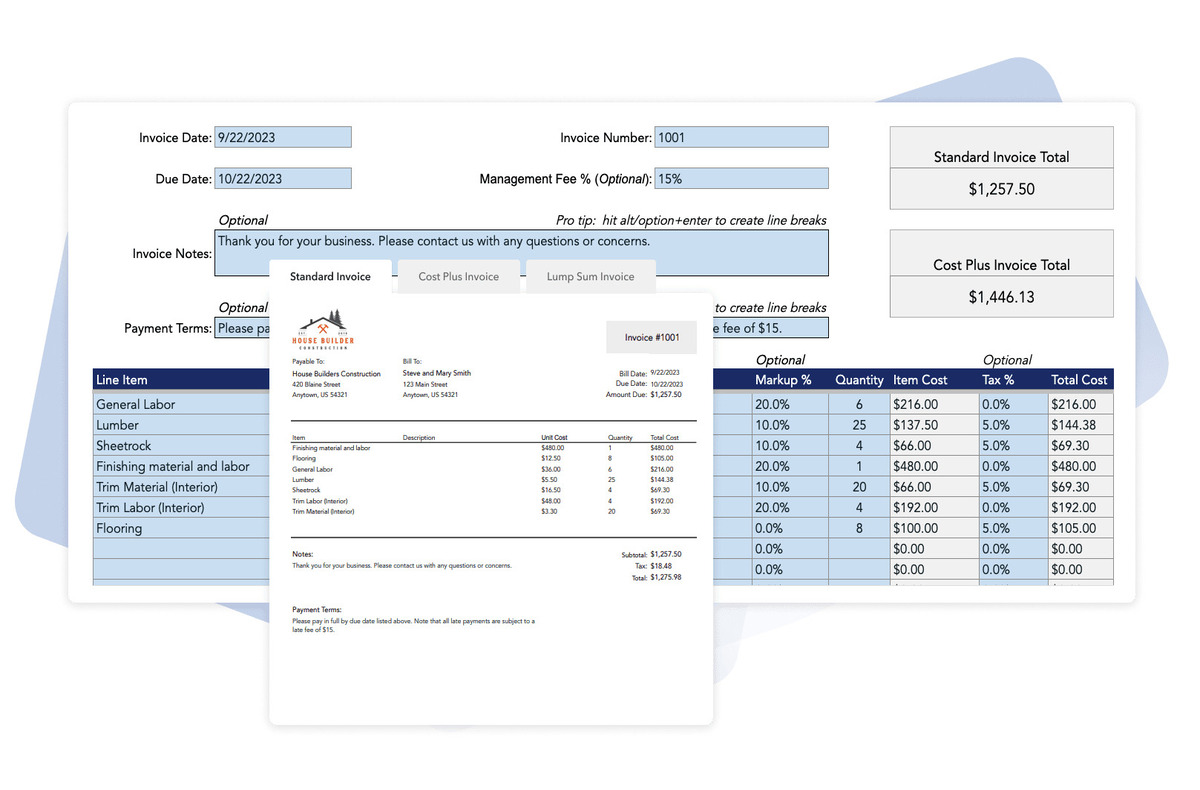
In order to establish your relationships with your customers, you might be liberal while setting payment terms. For instance, instead of choosing a 15-day billing cycle, you can choose a 30-day-long billing cycle. But bear in mind that even longer billing cycles often lead to chaos. Many entrepreneurs find themselves chasing invoices.
You must understand that if you fail to have your invoices paid on time, your business will struggle. In order to ensure that you get paid by your customers on time, you should ensure that all payment terms are clear.
Make sure that your customers agree to those terms.
Try to reduce the billing cycle. If you follow a one-month billing cycle, reduce it to 15 days. This will resolve half of your cash flow problems.
Another advantage of getting paid earlier is that you will have cash ready to make payments to your suppliers. Do not forget that late payments to suppliers will hurt your credit score, and this will cause problems in getting approval for a business loan at affordable interest rates down the line.
If invoices are overdue, do not be shy about following up on them. Delayed payments can significantly hurt your cash flow.
Charge penalties to prompt your customers to pay you back.
Try to send a gentle reminder to your new clients before payments are due to avoid late collections.
All these aforementioned tips can help you ensure on-time payments.
Build a cash reserve
Unpredictable expenses are part of running a business. Setting aside a portion of your profits as earmarked cash will benefit you when you come across some emergencies or when you struggle with cash flow. In order to keep it going, you must have at least three months’ worth of cash earmarked.
When you have money set aside, you do not have to borrow money from direct lenders. Even if your business credit score is stellar, there is no guarantee that you will qualify for lower interest rates. Savings are way cheaper than business loans.
By building a cash reserve, you will be able to cushion the blow of dipped sales and unexpected economic scenarios. If you need any financial assistance, you should consult experts. Be in touch with your accountant, who will keep you posted about the current situation.
If you need some professional advice, try to consult a business advisor. They will analyse your whole business before making suggestions.
The final word
Managing cash flow can be quite daunting for small businesses. There could be various possible reasons for negative cash flow. First, you should ensure that your sales figures are impressive. If your product fails to meet the expectations, you will certainly struggle to survive in fierce competition.
But sometimes, businesses struggle with cash flow problems despite healthy sales figures. In that case, you should carefully look over your expenses. Try to cut back on them. Make sure that you are paid on time by your customers.
Build a cash reserve so that your business grows at a steady pace without worrying about cash when sales drop. Consult a business advisor if needed.
2679 people like this


About Premium Author
This post has been authored and published by one of our premium contributors, who are experts in their fields. They bring high-quality, well-researched content that adds significant value to our platform.
Leave a Reply
Please login to post a comment.







0 Comments