

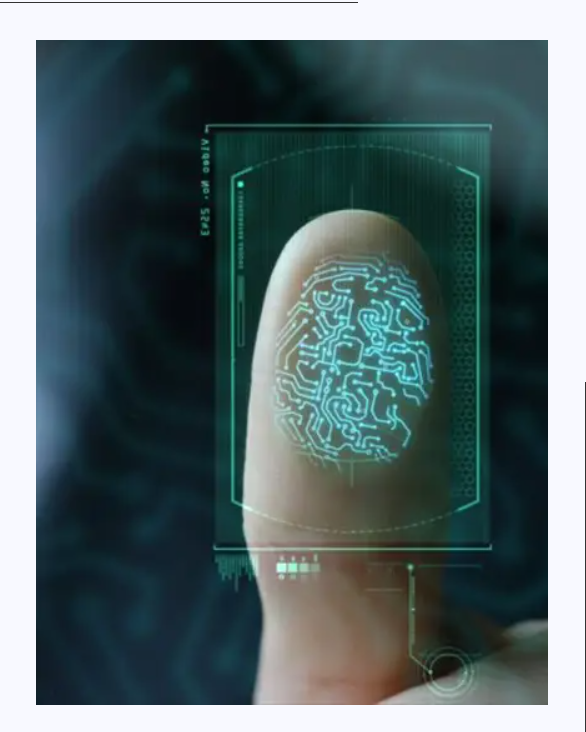
Voice Biometrics & Certified Liveness Detection for Secure Identity Verification
- Shakir 252
- Technology
- 2026-10-01 16:02:46
- 2831K
As digital services become an essential part of everyday life, businesses need stronger ways to verify that users are genuine. Traditional passwords, PINs, and security questions can be compromised through phishing, credential theft, and social engineering. Modern identity verification technologies such as voice biometrics and certified liveness detection are helping organizations create more secure and reliable authentication experiences.
What Is Voice Biometrics?
Voice biometrics is an authentication technology that identifies or verifies a person using distinctive characteristics of their voice. Instead of relying only on what a user knows, voice-based authentication analyzes characteristics within speech patterns to establish whether the speaker matches a previously enrolled voice profile.
A voice biometric system can examine multiple vocal characteristics and generate a voiceprint for comparison during future authentication attempts. This allows organizations to add an additional layer of security without requiring users to remember complex passwords.
Voice biometrics can be particularly useful in customer support, financial services, telecommunications, digital onboarding, and other applications where convenient remote authentication is important.
How Voice Biometrics Supports Secure Authentication
Voice authentication can improve both security and user experience. Users can authenticate through a natural interaction rather than entering passwords or responding to multiple security questions.
Advanced systems may also incorporate anti-spoofing technology to identify suspicious attempts involving recordings, synthesized speech, or other manipulated audio. Combining biometric analysis with additional identity signals can provide a more comprehensive approach to digital authentication.
However, voice biometrics should not necessarily be treated as a standalone security solution. Organizations can strengthen authentication by combining voice verification with other identity technologies and risk signals.
Understanding Certified Liveness Detection
While biometric matching determines whether biometric information corresponds to an enrolled individual, liveness detection focuses on determining whether the biometric sample comes from a real, present person rather than a spoof or presentation attack.
In facial verification workflows, for example, liveness detection can help identify attempts involving photographs, videos, masks, screen replays, or other presentation methods.
The term certified liveness detection can refer to solutions that have undergone relevant testing, assessment, or certification against defined security requirements. Organizations should examine the specific certification, testing methodology, scope, and applicable standards rather than assuming that every solution described as “certified” provides the same level of assurance.
Why Liveness Detection Matters in Digital Identity Verification
Remote identity verification creates unique security challenges because the organization may not physically interact with the person being verified. Attackers can attempt to manipulate biometric inputs or use someone else's identity information.
Liveness detection adds an important security checkpoint by helping determine whether the biometric sample represents a genuine interaction. When combined with face matching, document verification, and risk assessment, it can contribute to a stronger identity verification process.
For organizations handling sensitive customer information, these capabilities can help reduce exposure to certain types of identity fraud while maintaining a convenient digital onboarding experience.
Combining Voice Biometrics and Liveness Detection
Voice biometrics and certified liveness detection address different aspects of biometric security. Voice biometrics can help verify who the user is, while liveness detection can help determine whether the biometric interaction is genuine.
A multi-layered verification workflow might combine:
- Voice biometric authentication
- Facial verification
- Certified liveness detection
- Identity document verification
- Device and risk signals
- Behavioral analysis
This layered approach can make it more difficult for attackers to succeed using a single compromised authentication factor.
Applications Across Modern Businesses
These technologies have applications across multiple industries. Banks and fintech companies can use biometric authentication during customer onboarding and account access. Telecommunications providers can apply voice verification to customer interactions. Healthcare platforms can use identity verification to protect sensitive accounts, while enterprises can incorporate biometric checks into high-security workflows.
As organizations increasingly move services online, biometric technologies can provide a balance between stronger identity assurance and user convenience.
Building a More Secure Digital Future
The combination of voice biometrics and certified liveness detection represents an important development in modern identity security. Voice biometrics can provide convenient identity authentication, while liveness detection can help protect biometric workflows from presentation and spoofing attacks.
For businesses adopting these technologies, security should extend beyond individual features. Evaluating accuracy, anti-spoofing capabilities, privacy practices, certification scope, integration requirements, and regulatory considerations can help organizations select an appropriate solution.
As digital fraud techniques continue to evolve, a layered identity verification strategy can help businesses build safer digital experiences while reducing unnecessary friction for legitimate users.
2831 people like this



About Premium Author
This post has been authored and published by one of our premium contributors, who are experts in their fields. They bring high-quality, well-researched content that adds significant value to our platform.
Leave a Reply
Please login to post a comment.





0 Comments