

How Does an Elevator Repair Service Handle Emergencies?
- Muhamamd Irfan
- Real Estate
- 2026-09-24 16:11:33
- 2827K
When an elevator breaks down, it can rapidly turn into a serious building emergency. Doors can jam, the system can go offline, or passengers can get stuck. In such cases, it is important to act carefully and appropriately by trained experts who know their elevator systems and safety protocols. Good communication between building teams is also fundamental in emergencies. So, it is important to determine the issue and get the needed equipment before any repair work is done.
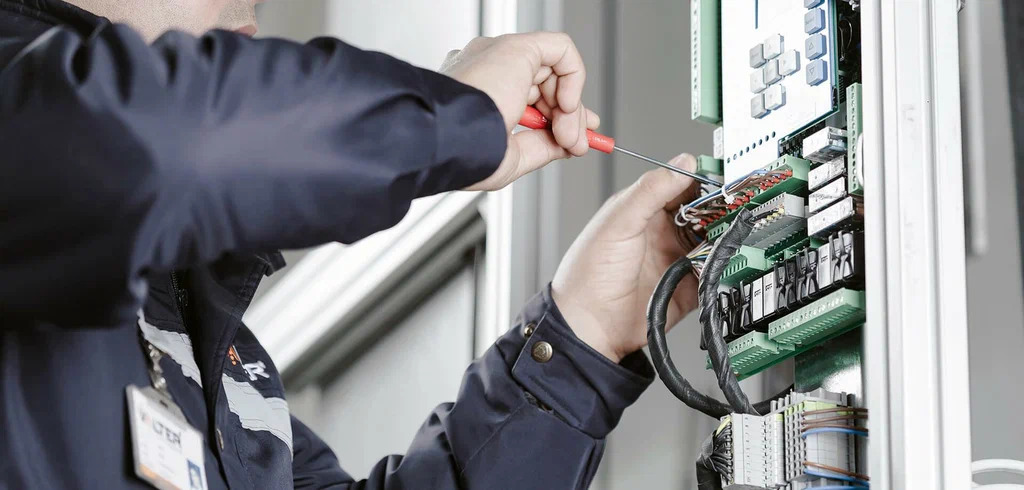
When emergency elevator breakdowns occur, it is important that trained professionals respond carefully to the situation, as they know how to operate and respond to elevator systems and safety requirements. An elevator repair service will deal with the situation by evaluating the emergency, getting the machine, and determining the cause of the problem. Service technicians examine mechanical parts, electrical systems, controls, doors, sensors, and safety circuits. They also check the service records as available. Once repaired, technicians perform tests on the elevator to ascertain its ability to go back to normal service.
What Counts as an Elevator Emergency?
Passengers Are Trapped Inside the Elevator
One of the most critical elevator accidents is passenger entrapment. A car can stop between levels due to a control fault, power interruption, door problem or mechanical fault. The building staff should communicate with passengers and call for professionals.
Should include controlled assistance rather than rushed action in emergency procedure. For trapped occupants, OSHA emergency guidance calls for use of the emergency call button and the elevator number and building address.
The Elevator Stops Between Floors
If the elevator is stuck somewhere in between floors, the car should be evaluated by a professional before anyone moves around in it. Another hazard might be caused by the position of the car if someone attempts to force a door or leave without assistance.
The first step of an elevator breakdown service is to determine where the elevator is and what its status is. Then, technicians can check the equipment, the fault condition and the procedures to decide on the response.
The Elevator Has a Serious Mechanical or Electrical Fault
Not all emergencies involve blocked exits. Other serious fault conditions, like serious brake fault, control problems, unusual movement, or electrical problems, may also need immediate attention. If there are frequent shutdowns, it may be a sign that there is an equipment issue that requires professional diagnosis.
Prior to putting the elevator back in service, technicians should determine the cause of the problem. They include inspection, testing, and maintenance and repair systems since these systems have multiple interconnected components that must be addressed for safety.
What Does an Elevator Repair Service Do During an Emergency?
Assesses the Emergency Situation
The first step is to collect data relating to the failure. Technicians might ask the time of elevator stop, if people are still in the elevator and what symptoms were observed prior to the stop.
This information provides technicians with a first impression of what is going on. They can then decide if they must assist passengers, isolate equipment, respond, and/or make an immediate technical diagnosis.
Secures the Elevator Before Repair Work
Technicians are required to anchor the equipment prior to the beginning of repair operations. As part of their investigation, they limit access and do not allow unauthorized operation. The exact procedure will depend on the design of the elevator and the amount of work needed to be accomplished.
Safety procedures also will keep the tech from unexpected movement and energised equipment. ASME guidance includes maintenance and repair as well as safety requirements for elevator systems.
Diagnoses the Cause of the Breakdown
Once secure, an elevator repair service checks on the possible cause of the issue. Mechanical parts, electrical connections, control equipment, doors, sensors and safety circuits are among the parts that technicians can check.
They also check out the indications of faults and any recent service history available. This is important because the symptom that is seen may not be the cause. If a component seems to be the problem, for example, but keeps shutting down, the cause may lie in another component.
How Are Trapped Passengers Handled During an Elevator Breakdown?
Communication With Passengers
Communicating can help minimize confusion in case of entrapment. If possible, building personnel or emergency responders should keep in touch with the occupants. They can give factual information, and qualified experts evaluate the elevator.
Passengers should be provided with distinct instructions and, under normal circumstances, must not exit the car until they are trained to know otherwise. The ASME emergency personnel guide includes specific instruction on stalled elevator cars and on how to evacuate the passengers.
Controlled Passenger Release
Training is needed for those individuals who will be responsible for performing the controlled release, as well as knowledge of the elevator system and emergency procedure. The car position and equipment condition is assessed prior to determining the action to be taken.
The aim is not to rush out but to be evacuated in a controlled way. When it comes to access to, operation of, inspection, testing, maintenance and repairs, elevator safety standards also cover these aspects, as they can cause further hazards if not done properly.
When Emergency Services May Be Required
In some instances, more is needed than a repair response at the technical level. An emergency response may be required by any of the following: injuries, medical emergencies, fire, smoke or other immediate hazards. The building staff should adhere to their emergency procedures and notify the appropriate emergency authority.
The duties of an elevator technician and an emergency responder could be different. The technician's responsibility is on the elevator equipment, and emergency personnel take charge of the general risks and safety of the occupants.
How Does an Elevator Repair Service Diagnose Emergency Faults?
Checks the Elevator's Mechanical Components
Mechanical inspection may involve the inspection of brakes, suspension parts, sheaves, door mechanisms and other related equipment components. Technicians inspect for any damage, wear, excessive movement or component failure.
The overall inspection will be based on the design of the elevator and the symptoms reported. In addition, electric and hydraulic systems are different and are run differently, so the technician needs to follow procedures specific to the equipment.
Inspects Electrical and Control Systems
Electrical and control tests can detect issues that may cause the elevator to not function properly. Technicians can inspect the controllers, wiring, sensors, safety circuits, fault indicators and other equipment.
Diagnostic information can be generated using control systems. However, technicians cannot ignore the need to check the equipment and simply refer to one indicator. ASME inspection guidance applies to electric and hydraulic elevators and provides recommended inspection and test procedures for them.
Reviews the Breakdown History
It is useful to have previous service records to help put things into perspective. Faults, parts replaced, shutdowns repeated, and maintenance activity can be viewed in previous faults.
This information can help to uncover patterns of issues that need further exploration. The maintenance records also help building owners and future service personnel to have a better understanding of the service history.
What Repairs Can Be Performed During an Emergency Visit?
Minor Faults and Component Adjustments
There are a number of emergency faults that can be corrected in the first visit. In the instances when the equipment can be safely repaired, technicians can replace appropriate parts, fix some connections, or locate and correct a particular fault.
The technician first needs to confirm the cause and determine if the repair will be compliant with the applicable requirements. A quick adjustment should not be a substitute for a proper safety assessment.
Failed Component Replacement
If a component fails, it will need to be replaced for the elevator to be able to move again. Which is required is dependent on the elevator model and manufacturer, the system design and the fault condition.
An elevator repair service may substitute appropriate parts if a proper part is available and the repair is within the scope of the technician's job authorization. Correct testing is to be conducted after component replacement.
When Further Repair Work Is Required
There are occasions when failures need more extensive work than can be done during an emergency visit. Damage to major components, out-of-stock parts, complicated control issues, or other inspections may prolong the repair process.
However, in these situations, technicians should describe the issue and what needs to be done to put the elevator back in service. The ASME safety framework extends to repair, as well as inspection, test, maintenance and alteration.
How Is an Elevator Tested After Emergency Repairs?
Checks the Repaired Components
Technicians check repaired/replaced parts prior to operating the elevator in normal mode. They validate that the connections, mounting points, moving components and safety elements associated with them satisfy the condition.
They may also examine adjacent parts which may have caused the initial problem. This more comprehensive inquiry might lessen the risk of missing a linked issue.
Tests Elevator Operation
An operational test will enable technicians to confirm elevator response following repair. Testing can be for doors, levelling, controls, movement, stopping, and applicable safety features depending on the equipment and fault.
Specific test(s) will vary based on the elevator system and requirements. There is also separate guidance from ASME on procedures for inspection and testing of the elevator.
Confirms Safe Return to Service
Until qualified personnel have performed the necessary tests, a repaired elevator should only be returned to normal use. Technicians take into account the original fault, the repairs made, testing performed and the requirements applied.
Service records should also include a record of the services provided. ASME materials recognize that a maintenance record is an essential component of maintenance programs for elevators.
How Can Building Owners Respond to an Elevator Emergency?
Keep Occupants Away From Unsafe Equipment
The building owner and/or facility staff should limit access to an elevator with a significant fault. They should ensure that they are not used by anyone other than a qualified individual.
It's also crucial for communication during this time. Staff should inform students that the elevator is not available until the necessary assessment has been made by the technicians.
Record the Breakdown Details
These are helpful pieces of information, including time of failure, elevator number, symptoms, error messages, passenger involvement and any problems that have been found in the recent past. These details can be used to provide technicians with a better starting point.
An accurate record also provides a good historical record for future maintenance decisions. Building managers can make comparisons of recurring incidents or look for trends over time.
Maintain Emergency Service Information
Building management and appropriate staff need to have access to emergency contact details. The record may contain information about the service provider, elevator model, equipment, maintenance history, previous repair information, etc.
An emergency process that is clearly defined will minimize confusion in the event of an unexpected breakdown. Owners of buildings can also check their emergency procedures every now and then.
How Can Regular Maintenance Reduce Emergency Elevator Breakdowns?
Identify Wear Before Component Failure
Ongoing maintenance allows the technician to notice potential issues in the equipment. They can examine parts and components, monitor operating conditions, document their observations before a failure occurs, and more.
Even with maintenance, there are some failures that can still occur. However, regular inspections can uncover issues that need to be addressed before there are big operational issues.
Track Recurring Elevator Problems
Frequent errors should be given more attention. If a door issue is common or it keeps shutting down, it is likely that there is a problem with the equipment.
Service records can be used to make comparisons by technicians and building management. This history can inform future investigations and/or repair planning.
Follow Manufacturer and Local Requirements
The maintenance needs of an elevator can differ based on the equipment, jurisdiction, and standards. Instructions for building owners should be based on the manufacturer's instructions and inspection requirements.
ASME elevator safety standards include inspection, testing, maintenance, alteration, and repair. There can also be requirements that the building owner has to adhere to at the local level.
What Should You Look for in an Emergency Elevator Repair Service?
Emergency Response Availability
Building owners must check to ensure the provider is involved in emergency breakdowns and what services apply. The coverage for responses may differ from place to place, from equipment to equipment, from contract to contract and from provider to provider.
It is helpful to know about these arrangements in advance of an emergency. Plans for contact will minimize downtime in the event of an unplanned shutdown.
Qualified and Experienced Technicians
Technicians should be trained and experienced with the elevator systems they are servicing. If a repair is complicated, relevant qualifications, manufacturer knowledge and knowledge of applicable safety requirements may be important.
Owners of the building can also enquire with the building owner about similar elevator types for which they have experience. This information will help them to have a better understanding of the technical capabilities of the provider.
Clear Repair and Service Documentation
Good documentation should include the fault reported, the diagnosis, the work done, the parts replaced and the tests conducted. These records provide a good reference for future service visits.
It will also be easier to track down recurring problems because of the clear records. They can provide building managers with more visibility of the elevator's service history.
Knowledge of Safety and Regulatory Requirements
Repair work in emergencies should be carried out in accordance with safety requirements and local requirements. The provider should be familiar with the standards applicable to the equipment they provide.
A17 describes the safety of elevators in the areas of design, operation, inspection, testing, maintenance, alteration, repair, and emergency response.
Conclusion
In the event of an elevator breakdown, a procedure must be followed which prioritises safety over operation. A qualified elevator repair service will evaluate the problem, get the elevator under their control, perform the necessary adjustments and repairs, and retest the elevator before releasing it. Communication to passengers is also an issue during entrapment situations. Proper maintenance and accurate service records can be useful when trouble arises. Owners/managers of buildings should also know emergency procedures and have reliable service contacts. Professional diagnosis, proper repair techniques, documented testing and applicable safety requirements will help building teams to handle unexpected elevator issues with greater clarity and control.
FAQs
What is done in the event of an elevator emergency?
It first surveys a situation, and then it locks the elevator. The technicians then determine the fault, make appropriate repairs, test the system and decide if it is safe to return to service.
How can you help someone who is stuck in an elevator?
If the elevator bell is used to alert, please state the elevator number and the building address. Do not try to unload without permission, and inform the appropriate authorities for assistance.
How much does it take to repair an emergency elevator?
The time required for repairs varies depending on the fault, the state of the equipment, the necessary parts, the state of the passengers, and the test needs. A minor fault might not need as much work as a major mechanical or control system failure.
Is it safe to use an elevator after a repair in an emergency?
Firstly, the necessary inspection and operational testing should be carried out by qualified personnel. The elevator shall not be returned to service until it has been determined by the elevator technicians that the equipment is in compliance with the pertinent requirements.
When to Call an Emergency Elevator Repair Service?
Where passengers are trapped or serious operating faults occur, repeated shutdowns, door faults, unusual movement, or other conditions that may impact safe elevator operation occur. Early assessment by professionals can decide the appropriate action.
2827 people like this


About Premium Author
This post has been authored and published by one of our premium contributors, who are experts in their fields. They bring high-quality, well-researched content that adds significant value to our platform.
Leave a Reply
Please login to post a comment.






0 Comments