

Effective planning creates safer and more efficient roadway projects
- westates flagman
- Business
- 2026-08-05 10:13:54
- 2759K
Construction, maintenance, and utility operations within the vicinity of live traffic need more than skilled workers and quality machinery. What is also needed is an effective traffic management plan that not only ensures the safety of construction workers but also that of motorists, pedestrians, and cyclists. Professional Temporary traffic control planning support can help keep hazards to a minimum while also moving projects forward with minimal public disruption.
Traffic control planning starts even before construction teams come to work at a project location. One of the initial stages includes analyzing the area in question for any possible hazards that may affect the safety of workers, the flow of traffic, etc. Such aspects as the number of cars, width of the road, speed limits, intersections, pedestrian movement, schools in proximity, and accessibility of emergency vehicles become key points for the creation of an efficient traffic plan.
Maintaining a safe distance from moving traffic is one of the main objectives of Traffic Control Planning. Temporary lane closures, detours, and other work areas must be marked by the use of acceptable traffic control devices. Signs warn drivers about what is expected ahead on the way, while cones, barricades, drums, and channelization devices help vehicles navigate properly through the construction site.
Signage is another element that must not be ignored while planning traffic control in Salem. It is important to give enough time to drivers to get ready for the changes that are going to happen. Warning signs must be put up much before reaching the work zone to let motorists slow down, move into open lanes, or shift the traffic temporarily.
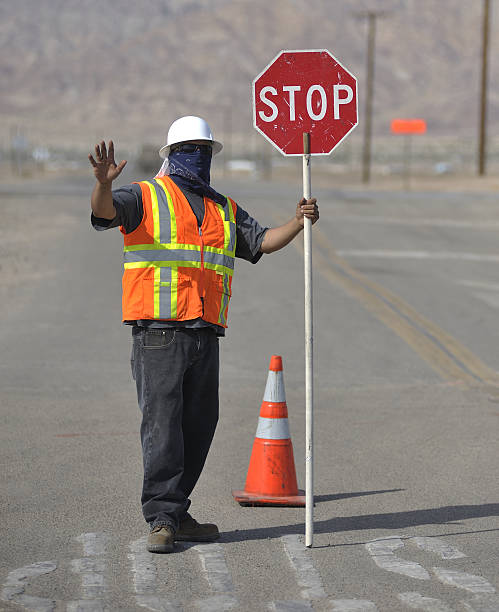
The number of trained flaggers that will be needed for the particular project is also identified during traffic control planning. Flaggers handle the alternating traffic, assist with lane closures, and communicate with motorists in case the traffic pattern is disrupted. The position of flaggers needs to be determined in such a way that they can see properly and communicate with both workers and motorists.
The safety of pedestrians is of the same level of importance when it comes to construction on roadways. Traffic control plans must consider temporary sidewalks, pathways, and pedestrian crossing zones in case the walkways are disrupted. These will ensure the safety of individuals walking along or around construction sites without putting themselves at risk.
Weather is also an essential factor to be considered when making traffic control plans. Rain, fog, winds, low visibility, and other such factors may necessitate extra traffic control devices, lighting, or altered schedules. This way, one can prepare traffic management techniques based on weather predictions.
Technology has made traffic control planning more efficient. Portable digital message boards give current information regarding lane changes, alternative routes, and delays. Temporary traffic lights, dynamic speed display panels, and smart traffic monitoring systems have all become part of modern traffic control techniques.
Communication is equally important during all stages of the process of traffic control. All contractors, supervisors, operators of heavy machinery, flaggers, and all personnel involved with the safety of the traffic control operation must be familiar with the traffic management plan prior to beginning work every day. Daily safety meetings are beneficial in discussing any changes in conditions and identifying any new hazards that may come up.
The cooperation from the public can help make the traffic control operations successful as well. Drivers observing reduced speed limits, staying focused, being cautious, and paying attention to the temporary traffic signs create a safe environment for work. Drivers who show patience and drive carefully can greatly decrease the number of accidents in construction zones.
With continuous investment in the improvement of transportation systems, the role of professional traffic control planning in Salem becomes more and more important. Properly designed traffic management plans increase safety, reduce delays, and ensure projects are completed safely and efficiently.
To know more about certified work zone safety training, please visit our website: westflag.com.
2759 people like this



About Premium Author
This post has been authored and published by one of our premium contributors, who are experts in their fields. They bring high-quality, well-researched content that adds significant value to our platform.
Leave a Reply
Please login to post a comment.






0 Comments