

Lifeguarding Training for Future Water Safety Professionals
- Camila cabello
- Education
- 2026-11-25 06:40:50
- 2842K
Water safety depends on preparation, awareness, and skilled professionals who can respond quickly during emergencies. Every swimming pool, aquatic facility, and recreational water area needs trained lifeguards who understand how to protect swimmers and maintain a safe environment.
Becoming a lifeguard is not only about being a strong swimmer. A professional lifeguard needs specialized knowledge, practical skills, and the confidence to handle unexpected situations. This is why lifeguarding training plays an important role in preparing individuals for the responsibilities of aquatic safety.
Professional training teaches future lifeguards how to prevent accidents, recognize risks, perform rescues, provide emergency assistance, and communicate effectively during critical moments. With proper education and practice, individuals can develop the skills required to become reliable safety professionals.
American Lifeguard events provides structured training designed to help individuals gain essential lifeguarding knowledge and prepare for responsibilities in different aquatic environments.
Why Lifeguarding Training Is Important
A lifeguard’s job requires constant attention and quick decision-making. Emergencies can happen without warning, and trained professionals must be prepared to act immediately.
Quality lifeguarding training helps individuals understand the importance of prevention, observation, and emergency response.
During training, participants learn how to:
- Identify possible hazards in aquatic areas
- Monitor swimmers effectively
- Recognize signs of distress
- Perform safe rescue techniques
- Provide emergency care
- Work with safety teams
- Maintain professional responsibility
A trained lifeguard does not wait for problems to happen. They actively create a safer environment by observing conditions and taking preventive action.
What Is Included in Lifeguarding Training?
Professional lifeguard education covers multiple areas that prepare candidates for real-life situations. A complete training program combines knowledge-based lessons with practical skill development.
Water Rescue Skills and Techniques
One of the most important parts of lifeguarding education is learning how to perform rescues safely and effectively.
Participants learn:
- How to approach swimmers in distress
- Different rescue methods
- Safe victim assistance techniques
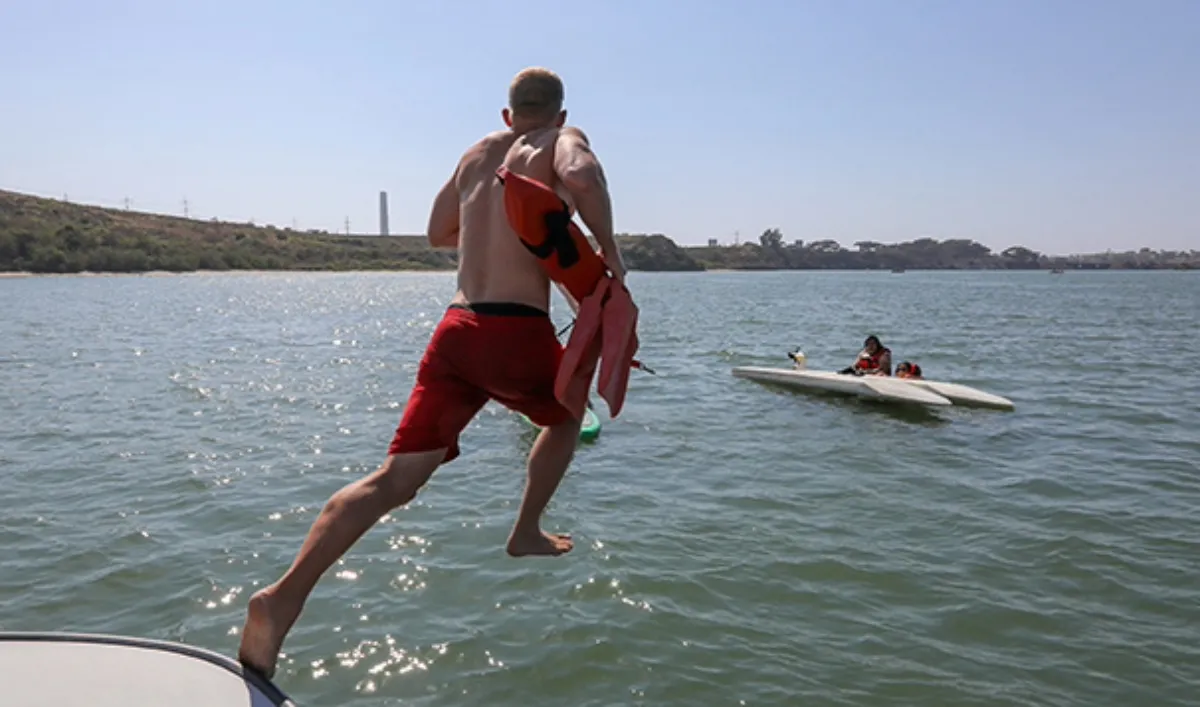
- Emergency water entry skills
- Proper removal procedures
Rescue training helps future lifeguards understand how to respond without creating additional risks.
A professional lifeguard must remain calm during emergencies. Training provides practice scenarios that improve confidence and decision-making abilities.
Emergency Response Preparation
Lifeguards are often the first trained individuals available during an emergency. Because of this responsibility, emergency response skills are a major part of professional preparation.
Lifeguarding training teaches important emergency procedures, including:
- Assessing emergency situations
- Providing immediate assistance
- Communicating clearly during incidents
- Following safety procedures
- Supporting injured individuals
These skills help lifeguards respond effectively when quick action is required.
The Role of CPR and First Aid in Lifeguarding Training
Emergency medical knowledge is an essential part of becoming a professional lifeguard. A lifeguard must understand how to provide immediate support before additional medical help arrives.
Training commonly includes:
- CPR awareness
- AED operation knowledge
- First aid response
- Emergency evaluation
- Injury management
These abilities help lifeguards handle different situations with confidence and professionalism.
Learning emergency response skills also benefits individuals outside the workplace because these abilities can help during everyday emergencies.
Benefits of Completing Lifeguarding Training
Completing professional training provides many advantages for individuals interested in aquatic safety careers.
Develop Confidence and Leadership Skills
Lifeguards are responsible for making important decisions. Training helps individuals become more confident and improve their leadership abilities.
Participants develop:
- Better judgment
- Strong communication skills
- Teamwork abilities
- Problem-solving skills
- Professional discipline
These qualities are valuable in lifeguarding and many other career fields.
Create Professional Career Opportunities
Aquatic facilities require trained individuals who understand safety procedures and emergency response. Completing lifeguarding training can help candidates qualify for various professional opportunities.
Lifeguards can work in environments such as:
- Swimming pools
- Water recreation centers
- Fitness facilities
- Resorts
- Community aquatic programs
- Private facilities
For many people, lifeguarding becomes the beginning of a rewarding career focused on safety and helping others.
Gain Valuable Safety Knowledge
The skills learned during training are useful throughout life. Understanding rescue procedures, emergency response, and safety awareness allows individuals to assist others whenever help is needed.
A trained lifeguard contributes to creating safer communities and protecting people in aquatic environments.
Who Should Take Lifeguarding Training?
Lifeguarding training is suitable for individuals who want to develop professional water safety skills.
The training is beneficial for:
- Students looking for career opportunities
- Individuals interested in aquatic jobs
- Swimming professionals
- Recreation workers
- Pool employees
- People who want life-saving skills
Anyone who enjoys helping others and wants to contribute to public safety can benefit from professional lifeguard education.
Successful lifeguards are responsible, focused, physically prepared, and committed to continuous improvement.
How to Prepare Before Lifeguarding Training
Proper preparation can help candidates perform better during training.
Improve Swimming Ability
Strong swimming skills are essential for lifeguards. Candidates should practice endurance, swimming techniques, and comfort in different water conditions.
Maintain Physical Fitness
Lifeguarding requires strength and stamina. Regular exercise helps candidates handle rescue activities more effectively.
Develop Observation Skills
Lifeguards must constantly monitor their surroundings. Improving focus and awareness helps individuals identify potential dangers quickly.
Choosing the Right Lifeguarding Training Program
Selecting the right training provider is an important decision. A quality program should provide complete preparation and practical knowledge.
When choosing a program, consider:
Complete Course Content
A professional program should cover rescue techniques, emergency procedures, safety responsibilities, and practical skills.
Experienced Training Support
Proper guidance helps students understand techniques correctly and improve their confidence.
Flexible Training Options
Flexible learning options allow individuals to complete training while managing work, education, or personal commitments.
Career-Focused Learning
The best training prepares individuals for real workplace responsibilities and helps them become dependable aquatic safety professionals.
Start Your Journey With Lifeguarding Training
Becoming a lifeguard is a commitment to protecting others and maintaining safety in aquatic environments. Professional lifeguarding training provides the foundation needed to develop rescue skills, emergency knowledge, and confidence.
Whether you are starting a new career, looking for seasonal work, or improving your safety abilities, proper training can help you achieve your goals.
American Lifeguard events is dedicated to helping individuals develop important lifeguarding skills through professional training programs designed for future water safety professionals.
American Lifeguard events Contact Information
American Lifeguard events
8300 Boone Blvd, 5th Floor
Vienna, VA 22182, USA
Phone: 703-761-6750
Frequently Asked Questions About Lifeguarding Training
What is lifeguarding training?
Lifeguarding training is a professional program that teaches rescue skills, emergency response, water safety procedures, and the knowledge needed to become a lifeguard.
Why is lifeguarding training important?
Training prepares individuals to prevent accidents, respond during emergencies, and protect swimmers in different aquatic environments.
What skills are learned during lifeguarding training?
Participants learn water rescue techniques, emergency response, CPR knowledge, first aid skills, communication, and safety procedures.
Can beginners join lifeguarding training?
Yes, individuals who meet training requirements and want to develop professional aquatic safety skills can begin lifeguard training.
How does lifeguarding training help with career growth?
Professional training helps individuals gain qualifications and skills needed for opportunities in aquatic facilities and safety-related careers.
2842 people like this


About Premium Author
This post has been authored and published by one of our premium contributors, who are experts in their fields. They bring high-quality, well-researched content that adds significant value to our platform.
Leave a Reply
Please login to post a comment.






0 Comments