

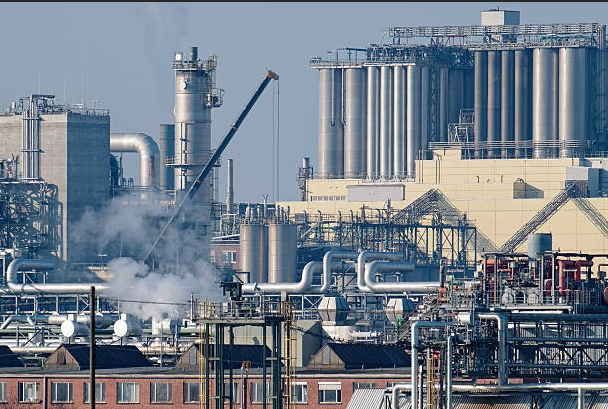
States and Industries Facing Chemical Compliance Risk
- Toxicology Consultancy LLC
- Business
- 2026-07-24 01:45:32
- 2693K
Chemical regulations affect businesses nationwide, but some states and industries face far greater scrutiny, exposure, and enforcement pressure than others. Differences in manufacturing activity, environmental regulations, workforce practices, and the use of hazardous materials can significantly increase chemical compliance risk. For employers operating in high-risk regions or sectors, even small compliance gaps may lead to inspections, penalties, operational delays, or reputational damage. Understanding where these risks are concentrated can help organizations prepare more effectively and avoid costly surprises.
This article examines the states and industries most exposed to chemical compliance challenges, as well as the factors that make them particularly vulnerable today.
Key Takeaways
State-specific rules can exceed federal requirements.
Multi-state employers need location-based compliance reviews.
Chemical-intensive industries face overlapping obligations.
Nonroutine tasks may create overlooked exposure risks.
Reporting duties should have clear owners and deadlines.
Regular assessments help prevent avoidable compliance gaps.
Which States Face Greater Chemical Compliance Risk?
There is no official ranking of states by chemical compliance exposure, but some states impose more complex obligations due to their safety programs, industrial activity, and reporting requirements.
States With OSHA-Approved State Plans
States with OSHA-approved plans may enforce requirements that go beyond federal OSHA standards. Employers must review the rules that apply in each location rather than relying on one national policy.
States that may require closer review include:
California
Washington
Oregon
Michigan
Virginia
North Carolina
California is especially notable because Cal/OSHA maintains a broad list of workplace exposure limits.
Companies operating in several jurisdictions may use regulatory compliance consulting to compare state-specific standards, reporting procedures, deadlines, and enforcement expectations.
States With Major Chemical and Industrial Operations
States with large chemical, refining, energy, mining, manufacturing, agricultural, or waste-processing sectors often have more facilities subject to overlapping safety and environmental rules.
Common compliance areas include:
Worker exposure
Chemical inventories
Air emissions
Hazardous waste
Emergency planning
Accident prevention
These overlapping duties can increase the risk of chemical compliance, especially when responsibilities are divided among several departments or facilities.
Employers should review facility-specific data instead of assuming that statewide industry activity reflects the risk at every location.
States With Additional Reporting Requirements
Hazardous chemical reporting procedures can vary by state. Tier II requirements may differ in:
Submission systems
Fees
Deadlines
Facility contacts
Additional state instructions
A regulatory risk assessment should identify these differences for every facility before reporting deadlines.
Which Industries Carry the Greatest Chemical Compliance Risk?
Industries face greater compliance pressure when they regularly manufacture, store, process, transport, or dispose of hazardous substances.
The highest-risk sectors usually combine the use of complex chemicals with strict worker safety, environmental, reporting, and emergency planning requirements.
Chemical Manufacturing
Chemical manufacturing carries substantial chemical compliance risk because hazardous substances are central to the production process.
Key compliance concerns include:
Process safety
Hazard communication
Worker exposure
Chemical compatibility
Air and water releases
Waste handling
Emergency planning
Contractor safety
Regular workplace safety assessment reviews can help confirm that written procedures match actual production, maintenance, and shutdown activities.
Oil, Gas, Refining, and Petrochemical Operations
These industries may handle flammable, reactive, corrosive, or toxic materials under pressure and at high temperatures.
Priority areas include:
Equipment integrity
Leak and release prevention
Emergency shutdown procedures
Spill planning
Contractor coordination
Community emergency response
Facilities may also face overlapping requirements from OSHA, environmental, and the Risk Management Program.
Manufacturing and Metal Processing
Manufacturing and metal-processing facilities may expose workers to:
Solvents and coatings
Welding fumes
Metalworking fluids
Combustible dust
Acids and cleaners
Plating chemicals
Adhesives
Process emissions
Employers should assess routine production, cleaning, maintenance, equipment changes, and waste handling.
Agriculture and Food Processing
Agricultural operations may involve pesticides, fertilizers, fuels, grain dust, disinfectants, and hazardous gases.
Food-processing facilities may also use:
Ammonia refrigeration
Cleaning chemicals
Sanitizers
Compressed gases
Pest-control products
These workplaces need robust storage, ventilation, labeling, respiratory protection, and emergency response procedures.
Laboratories, Healthcare, and Pharmaceutical Operations
These settings often manage many chemicals in smaller quantities, which can make oversight difficult.
Important controls include:
Accurate chemical inventories
Safety data sheet access
Exposure controls
Waste segregation
Employee training
Formal review of new chemicals and procedures
Frequent changes in substances, experiments, or production methods make ongoing review especially important.
Waste Treatment and Recycling
Waste facilities may receive damaged containers, mixed chemicals, unknown residues, or incomplete hazard information.
Common risks include:
Reactive materials
Fires and explosions
Chemical mixing
Worker exposure
Improper segregation
Emergency-response failures
Hazard mitigation consulting can help improve material acceptance, storage, segregation, protective measures, and incident planning.
Conclusion
Managing chemical compliance risk requires more than following one federal standard or maintaining a general safety policy. Employers must consider state-specific rules, reporting procedures, facility operations, hazardous materials, and worker exposure. Industries that handle complex chemicals need especially robust inventories, training, emergency plans, and corrective action systems. A site-by-site approach helps organizations identify where obligations overlap and where controls may be weak.
By reviewing regulatory changes, assigning clear responsibilities, and verifying that safety measures work in practice, employers can reduce uncertainty, protect workers, and build a more dependable compliance program across all locations and operations.
FAQs
Can local agencies impose requirements beyond state rules?
Yes. Fire departments, air-quality districts, wastewater authorities, and local emergency-planning agencies may impose additional permits, reporting duties, or storage conditions.
How should companies manage compliance after acquiring a facility?
They should review chemical inventories, permits, inspection history, reporting records, open corrective actions, and facility-specific procedures before integrating the site into the corporate program.
Can chemical quantities change which regulations apply?
Yes. Many reporting, prevention, and emergency-planning requirements are triggered when specified substances exceed particular quantity thresholds.
Who should track regulatory changes?
A designated compliance owner should monitor updates and communicate relevant changes to legal, safety, operations, purchasing, and facility management teams.
Should suppliers be included in compliance reviews?
Yes. Suppliers can affect the accuracy of safety data sheets, chemical classifications, product substitutions, and notifications of formulation changes.
2693 people like this



About Premium Author
This post has been authored and published by one of our premium contributors, who are experts in their fields. They bring high-quality, well-researched content that adds significant value to our platform.
Leave a Reply
Please login to post a comment.






0 Comments