

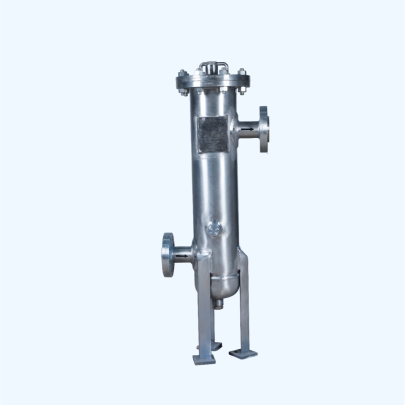
Cartridge Filters: The Cornerstone of Effective Filtration
- ACME FLUID SYSTEMS
- Business
- 2025-08-10
- 1904K
In an era where purity—not just of liquids, but also of industrial processes—matters more than ever, choosing the right filter is crucial. Cartridge filters are among the most versatile and essential filtration solutions used across industries like water treatment, food and beverage, pharmaceuticals, oil and gas, and more. But what exactly makes cartridge filters so indispensable? Let’s dive in.
What Is a Cartridge Filter?
A cartridge filter is a tubular filtration device encased within a housing, designed for trapping impurities as fluids pass through its medium. Materials such as polypropylene, polyester, cellulose, activated carbon, or even ceramic are commonly used to tailor the filtration process based on targeted contaminants.
As fluid enters the housing, it travels through the cartridge's finely engineered media, where suspended solids, chemicals, or microorganisms are captured and removed, resulting in cleaner output and improved operational performance.
Widely Applied Across Industries
Cartridge filters play a pivotal role in various sectors:
- Water Treatment: For purifying industrial, municipal, and drinking water.
- Food & Beverage: Ensuring product safety and quality by filtering impurities.
- Pharmaceuticals: Maintaining sterility and consistency during production.
- Oil & Gas: Protecting equipment by removing sediment and particles.
- Automotive, Chemicals, Mining, Textiles: Streamlining production by enhancing fluid quality.
Depth vs. Surface Filters
Cartridge filters are generally categorized into two main types:
| Type | Mechanism | Applications & Benefits |
| Surface Filters | Operate by trapping particles on the media surface. | Simple, ideal for larger particles; easy replacement. |
| Depth Filters | Capture particles within a multi-layered structure. More effective for a broader range of sizes. | Great for high-contamination scenarios; higher dirt-holding capacity. |
Key Cartridge Media & Their Advantages
- String-Wound Cartridges: Crafted by winding yarn (polypropylene, cotton, or polyester) around a core, forming a gradient depth structure—ideal for high sediment and extended dirt capacity.
- Melt-Blown Cartridges: Created by layering melted thermoplastic fibers (like polypropylene) around a core. These are dense, high-efficiency filters capable of capturing near sub-micron particles—excellent for RO pretreatment and fine filtration needs.
- Pleated Cartridges: Featuring folded media to expand surface area. Built with polyester or polypropylene, these filters offer durability, high flow rates, and longer service life—ideal for pharmaceuticals and food-grade applications.
- Membrane Filters: Designed to remove microbiological contaminants with near-perfect accuracy. Vital for industries demanding ultra-clean outputs.
Selecting the Right Cartridge
When choosing a right filter, several critical factors need attention:
- Micron Rating: Defines the smallest particle size the filter can capture effectively—ranges typically span from 0.2 to 100 μm.
- Material Compatibility: Ensure filter materials withstand the fluid, chemical exposure, and temperature in your system.
- Dirt-Holding Capacity: Filters like string-wound and melt-blown offer high capacity—extending operational life and reducing maintenance frequency.
- Flow Rate & Pressure Drop: Pleated filters tend to maintain high flow with minimal pressure drop, offering cost-effective performance.
- Construction Quality: Reliable sealing (e.g., knife-edge seals), sturdy cores, and robust end caps are vital to avoid leakage and ensure longevity.
Why Quality Matters
Investing in a high-quality cartridge filter yields multiple advantages:
- Extended Service Life: High dirt capacity and strong construction result in fewer replacements.
- Superior Filtration Accuracy: Consistency in micron ratings and media quality ensure cleaner output.
- Operational Efficiency: Reduced downtime, lower maintenance costs, and reliable performance.
- Process Integrity: Trusted filters safeguard critical processes, preserving product safety and system longevity.
Conclusion
Cartridge filters are the unsung heroes of filtration—a compact, customizable, and effective solution across countless applications. From robust string-wound models to ultra-efficient melt-blown and pleated designs, each type serves a specific niche and application. Success lies in selecting the right filter based on your system's flow, contamination levels, fluid chemistry, and longevity needs. Prioritizing quality design and materials isn’t just an investment—it’s a recipe for long-term operational excellence.
1904 people like this



About Premium Author
This post has been authored and published by one of our premium contributors, who are experts in their fields. They bring high-quality, well-researched content that adds significant value to our platform.
Leave a Reply
Please login to post a comment.








0 Comments