

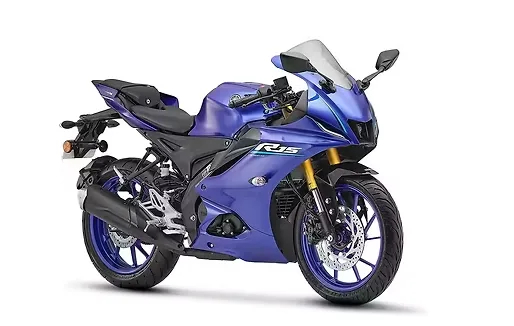
How the R15 V4 Compares with the Yamaha FZ
- reema saina
- Business
- 2026-08-20 14:33:17
- 2811K
When it comes to the world of two-wheeled machines, Yamaha has long stood as a symbol of performance, innovation, and style. Among its many offerings, two models, in particular, have captured the attention of motorcycle enthusiasts: the R15 V4 and the Yamaha FZ. While both serve different purposes and cater to different audiences, a comprehensive analysis of their specifications, performance, and user experience can help potential buyers make informed decisions. This article takes you through the user journey, focusing on how the R15 V4 stacks up against its counterpart, the Yamaha FZ.
Understanding the Bikes
Before diving into comparisons, it’s crucial to establish a foundational understanding of both bikes. The R15 V4 is Yamaha’s flagship sportbike renowned for its track-oriented features, sharp styling, and high-revving performance. On the other hand, the Yamaha FZ is recognized for its muscular build and versatility, aimed at urban commuting yet offering a sporty feel when required.
Target Audience
Understanding your target audience is a vital part of the user journey. The R15 V4 caters primarily to enthusiasts who appreciate performance-oriented features and are likely to take rides on winding roads or race tracks. Conversely, the Yamaha FZ appeals to daily commuters seeking a blend of style, comfort, and efficiency in urban environments. This audience might also include riders looking for a reliable option for occasional long rides without sacrificing daily usability.
Design and Aesthetics
When it comes to the visual appeal of these bikes, both models have their strengths.
- R15 V4: The bike features aggressive bodywork, sharp lines, and a full fairing that enhances aerodynamics. It’s an attractive choice for younger riders or anyone looking to make a statement.
- Yamaha FZ: The muscular build and naked styling of the FZ exude a rugged charm. Its minimalist approach appeals to a broad audience—those who prefer a bike without the heavy sportsbike aesthetic.
The choice between the two boils down to personal preference. While the R15 V4 might attract those leaning towards sportiness, the FZ's practical design will appeal to individuals who might not prioritize racing aesthetics.
Performance and Engine
Now let’s discuss the heart of these machines—their engines.
- R15 V4: It is powered by a 155cc liquid-cooled, single-cylinder engine equipped with Variable Valve Actuation (VVA) technology. The engine is capable of producing approximately 18.4 PS at a peak power of 10,000 RPM, which translates to exhilarating acceleration. The bike’s lightweight frame enhances its high-speed capabilities, making it a thrilling ride for enthusiasts.
- Yamaha FZ: In contrast, the FZ features a 149cc engine that generates 12.4 PS at 7,250 RPM. This engine is designed more for torque and everyday usability than outright speed. The FZ’s tuning allows for confident acceleration in urban settings without the need for high-revving performance.
For riders interested in daily commuting and occasional highway rides, the FZ may prove to be more practical. However, for those who crave the thrill of speed and precise control in the corners, the R15 V4 is unbeatable.
Riding Experience
User experience is central to the user journey.
- R15 V4: With a firm but responsive suspension setup, the R15 V4 is made for agility and precision on the track. The riding position is aggressive, which could be a con for long-distance riders but is designed for sport riding. The connected tech features, such as the full-LCD display and Bluetooth connectivity, enhance the riding experience, offering navigation and ride statistics.
- Yamaha FZ: The FZ takes a different approach, emphasizing comfort. It has a more upright seating position that makes it suitable for long commutes. The wider, more cushioned seat and relaxed handlebars make it comfortable for daily uses and longer rides.
While the R15 V4 may excite adrenaline junkies, the FZ’s comfort makes it a more versatile choice for city riders.
Maintenance and Fuel Efficiency
In the user journey, maintenance and fuel efficiency can be deciding factors for many buyers.
- R15 V4: Although you get more performance, the R15 also requires a little more attention due to its higher performance specs. Owners may need to invest more time and resources into regular maintenance to keep it in peak condition. However, its fuel efficiency remains commendable for a sportbike, averaging around 40 km/l, which is competitive in its category.
- Yamaha FZ: In contrast, the FZ boasts lavish fuel efficiency, averaging over 50 km/l, making it an economical choice for daily commuting. Maintenance requirements are comparatively less intensive, making it a hassle-free option for daily riders.
Additional Features
The Yamaha FZ and R15 V4 also come with various features aimed at enhancing the user experience.
- R15 V4: Advanced features include a slipper clutch, ride modes, and a quick shifter, which are features typical of sportbikes but rare in commuter-oriented motorcycles.
- FZ: The FZ encompasses features focusing on practicality, like an easy-to-read instrument cluster and sturdy body panels to withstand the rigors of daily use.
Conclusion
At the end of the user journey, it’s clear that both the R15 V4 and the Yamaha FZ occupy unique spaces in the motorcycle market. The R15 V4 stands out for its performance capabilities, cutting-edge technology, and aircraft-like aesthetics, appealing to sportbike enthusiasts. Meanwhile, the Yamaha FZ provides a harmonious blend of styling, comfort, and practical performance, making it a top choice for urban commuters.
When considering which motorcycle to choose, potential buyers must take into account personal preferences, riding style, and intended use. Whether you lean more towards the thrilling R15 V4 or the dependable Yamaha FZ, Yamaha continues to offer options that cater to diverse riding experiences.
As a note for those seeking an economical alternative for short-distance mobility, consider the Fascino Scooty, Yamaha’s offering in the scooter segment, known for its lightweight design, and fuel efficiency—further diversifying Yamaha’s portfolio to suit a wide range of riders.
2811 people like this



About Premium Author
This post has been authored and published by one of our premium contributors, who are experts in their fields. They bring high-quality, well-researched content that adds significant value to our platform.
Leave a Reply
Please login to post a comment.







0 Comments