

Success Rate of IUI Treatment in Pakistan What to Expect
- Australian Concept
- Health
- 2025-07-09 11:09:13
- 371K
Intrauterine Insemination (IUI) is one of the most commonly used fertility treatments in Pakistan. It's a less invasive and more affordable option compared to IVF, and is often recommended as the first step in assisted reproduction. But how successful is IUI treatment in Pakistan? Let’s explore its effectiveness, success rates, and what factors influence the chances of conception.
What Is IUI Treatment?
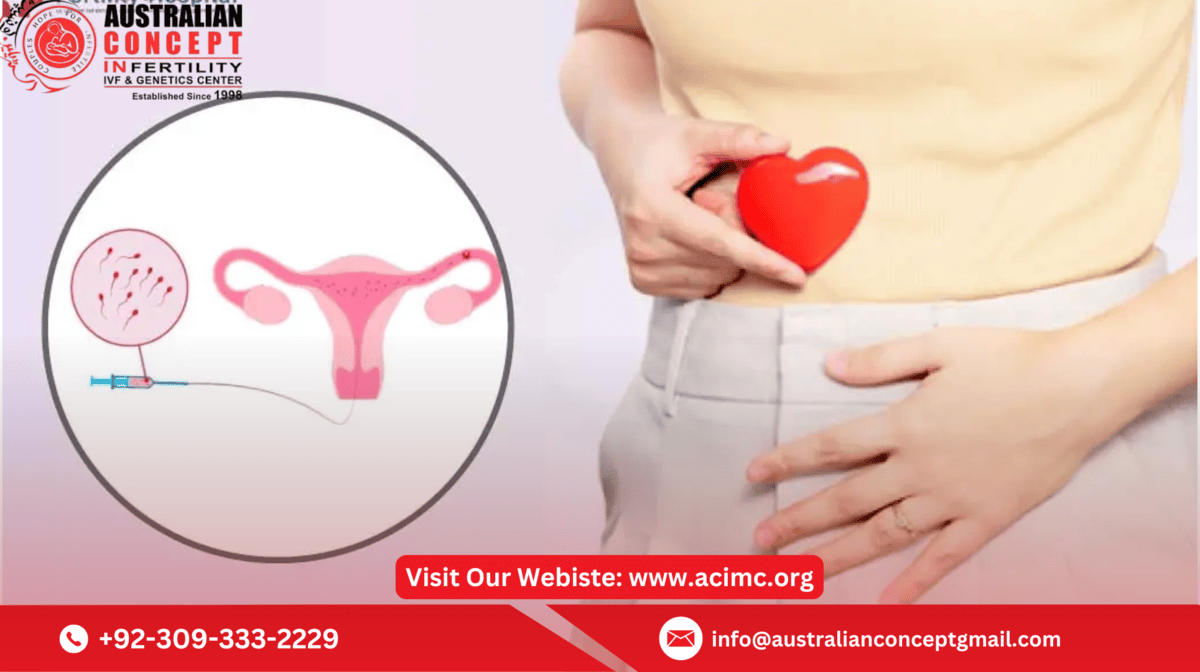
IUI, or Intrauterine Insemination, is a fertility procedure where washed and concentrated sperm are directly placed into a woman’s uterus during ovulation. This technique increases the likelihood of sperm reaching the egg, bypassing several natural barriers.
IUI is often recommended in the following cases:
Unexplained infertility
Mild male factor infertility
Cervical mucus issues
Ejaculation problems
Ovulation disorders (with fertility medication)
Donor sperm usage
IUI Treatment Success Rate in Pakistan
In Pakistan, the success rate of IUI treatment varies between 10% and 20% per cycle. This is consistent with global averages. However, actual success depends on multiple factors such as age, cause of infertility, sperm quality, and the number of treatment cycles attempted.
Let’s look at average success rates based on different conditions:
| Patient Type | Approximate Success Rate |
|---|---|
| Women under 35 years | 15% to 20% per cycle |
| Women aged 35–40 | 10% to 12% per cycle |
| Women over 40 | 5% to 7% per cycle |
| Mild male factor infertility | 10% to 15% per cycle |
| With ovulation-inducing drugs | Up to 20% per cycle |
Cumulative Success Over Multiple Cycles
Although a single IUI cycle may have a modest success rate, multiple cycles increase the chances significantly. Research and clinical experience show:
Around 40% to 50% success is achieved after 3 to 4 IUI cycles.
If no pregnancy occurs after 3–6 cycles, doctors may suggest moving to IVF or ICSI.
Factors That Affect IUI Success in Pakistan
Age of the Woman
Fertility declines with age, especially after 35.
Younger women tend to have better egg quality and higher IUI success.
Ovulation Timing
Proper timing of insemination is critical.
Ultrasound monitoring and ovulation-triggering injections (like HCG) improve precision.
Sperm Health
A higher concentration of motile, normal-shaped sperm increases the chances of success.
In cases of very low sperm count or motility, IUI may not be effective.
Fertility Medications
Use of drugs like Clomid or gonadotropins stimulates ovulation.
This can improve the number and quality of eggs released.
Endometrial Health
A healthy uterine lining increases the likelihood of implantation.
Underlying Conditions
Conditions like PCOS, endometriosis, or thyroid disorders must be managed for optimal results.
How Is IUI Performed in Pakistan?
IUI is widely available at fertility clinics across major cities like Lahore, Karachi, Islamabad, and Faisalabad. The process involves:
Ovulation monitoring through blood tests or ultrasounds.
Administering medications (if needed) to stimulate ovulation.
Sperm collection and washing to concentrate motile sperm.
Insemination using a thin catheter inserted into the uterus.
The procedure is painless, non-surgical, and done on an outpatient basis, taking only 10–15 minutes.
When to Consider IVF Instead of IUI?
IUI may not be suitable for everyone. Your doctor may recommend moving to IVF or ICSI if:
The female partner is over 38 and has poor egg reserve.
The male partner has severely low sperm count or motility.
There are blocked fallopian tubes.
Previous IUI cycles have failed without clear reasons.
Final Thoughts
The IUI treatment success rate in Pakistan is encouraging, especially for couples with mild fertility issues. With early intervention, proper diagnosis, and medical guidance, many couples achieve pregnancy through this simple and cost-effective method. If you're considering IUI, consult an experienced fertility specialist who can guide you through testing, timing, and treatment tailored to your specific needs.
371 people like this


About Premium Author
This post has been authored and published by one of our premium contributors, who are experts in their fields. They bring high-quality, well-researched content that adds significant value to our platform.
Leave a Reply
Please login to post a comment.








0 Comments